Why Does Restaurant Food Taste Better? 7 Chef Secrets Explained
Why does restaurant food often taste better than the same dish made at home? It isn’t always about expensive ingredients or secret recipes. Professional kitchens use a combination of heat, seasoning, cooking technique, preparation and timing to build better flavour.
In this guide, Chef RBS explains 7 chef secrets that can make restaurant food taste richer, more balanced and more flavourful—and how you can use some of these techniques in your own kitchen.
Restaurants Season Food More Carefully
One of the biggest differences between home cooking and restaurant cooking is seasoning throughout the cooking process.
Professional chefs don’t always wait until the end to add salt. They season ingredients at different stages so the flavour develops as the food cooks. This can help meat, vegetables, sauces and other ingredients taste more balanced.
Restaurants also pay attention to the balance of salt, acidity, fat and sweetness. Even a small adjustment can make a dish taste noticeably better.
Chef RBS Tip: Instead of adding all your salt at the end, taste your food during cooking and season gradually. Small adjustments are easier to control than trying to fix an under-seasoned dish at the finish.
Restaurants Use More Fat for Flavour
Fat carries and enhances flavour, which is one reason restaurant dishes can taste richer and more satisfying. Professional kitchens often use butter, oils, cream, cheese or other fats strategically to build flavour and improve texture.
Fat can also help ingredients brown properly and carry aromatic compounds from ingredients such as garlic, herbs and spices.
This doesn’t mean you need to use excessive amounts of fat at home. The key is understanding where and when fat adds the most flavour.
Chef RBS Tip: Try finishing a sauce or cooked vegetable dish with a small amount of butter or good-quality oil. A little can add noticeable richness and shine.
Restaurants Control Heat Better
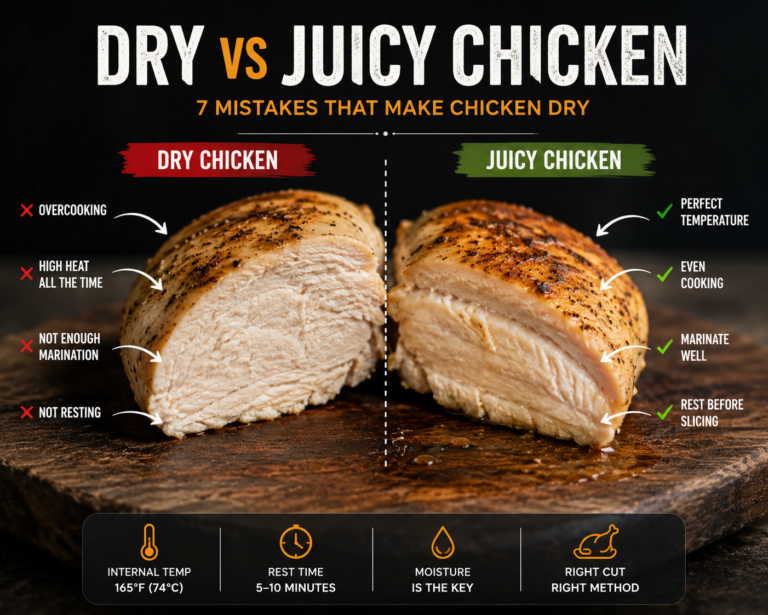
Heat control is one of the biggest advantages of a professional kitchen. Chefs learn how different temperatures affect browning, texture and moisture.
A properly heated pan can create better browning on meat and vegetables, while controlled heat prevents delicate ingredients from burning or becoming dry.
Restaurants also work with equipment designed to recover heat quickly when cold ingredients are added. This helps maintain more consistent cooking conditions.
Chef RBS Tip: Don’t automatically cook everything on high heat. Preheat your pan appropriately, then adjust the heat as the food cooks. Good cooking is about controlling heat—not simply using more heat.
Restaurants Prepare Ingredients Before Service
Professional kitchens do a lot of preparation before an order reaches the stove. Ingredients are washed, cut, portioned, marinated and organised in advance.
This preparation helps chefs cook each component at the right time instead of rushing through every step. It also improves consistency because the same ingredient can be prepared in the same way for every customer.
Chef RBS Tip: Good cooking starts before you turn on the stove. Prepare and organize your ingredients first—then cook. This simple habit can make home cooking faster and more consistent.
Restaurants Build Flavour in Layers
Great restaurant dishes usually don’t get all their flavour from one ingredient. Chefs build flavour in layers.
Aromatics such as onions and garlic may be cooked first. Spices can be toasted or bloomed in fat. Meat and vegetables may be browned before sauces or liquids are added. Fresh herbs, citrus or other acidic ingredients can then be used toward the end to brighten the dish.
Each step contributes something different, creating a deeper and more balanced final flavour.
Chef RBS Tip: Don’t throw every ingredient into the pan at the same time. Give important ingredients the cooking time they need to develop their own flavour.
Restaurants Finish Dishes at the Right Time
Timing can make a big difference in how food tastes. Professional chefs know when to add ingredients and when to take a dish off the heat.
Fresh herbs, lemon juice, grated cheese, butter and other finishing ingredients are often added near the end so their flavours remain noticeable. Overcooking these ingredients can reduce their freshness or change the texture of the dish.
Restaurants also serve food immediately after cooking, while the texture, temperature and aroma are at their best.
Chef RBS Tip: Think about the finish before you start cooking. Some ingredients are meant to cook; others are meant to finish the dish.
Restaurants Have Systems for Consistency
A professional kitchen isn’t relying on one chef’s memory every time a dish is prepared. Restaurants use standard recipes, portion sizes, preparation methods and cooking procedures to keep dishes consistent.
This consistency matters because customers expect the same flavour and quality every time they order a dish.
Chefs also taste food throughout the cooking process and make small adjustments when needed.
Chef RBS Tip: If you want restaurant-style consistency at home, write down your successful recipes with exact measurements and cooking times. Don’t rely only on memory.
How to Make Your Home Cooking Taste More Like a Restaurant
Restaurant-quality food isn’t about having a secret ingredient. It’s about small techniques done consistently.
Season gradually, control your heat, prepare ingredients before cooking, build flavour in layers and finish dishes at the right time. Most importantly, taste your food as you cook and make adjustments instead of waiting until the very end.
Chef RBS Tip: The biggest restaurant secret is not a fancy ingredient—it’s consistency and attention to detail. Once you understand the technique behind great cooking, you can bring many professional-kitchen habits into your own home.