Is Brunch Dying in America? Why Restaurants Are Rethinking the Weekend Meal
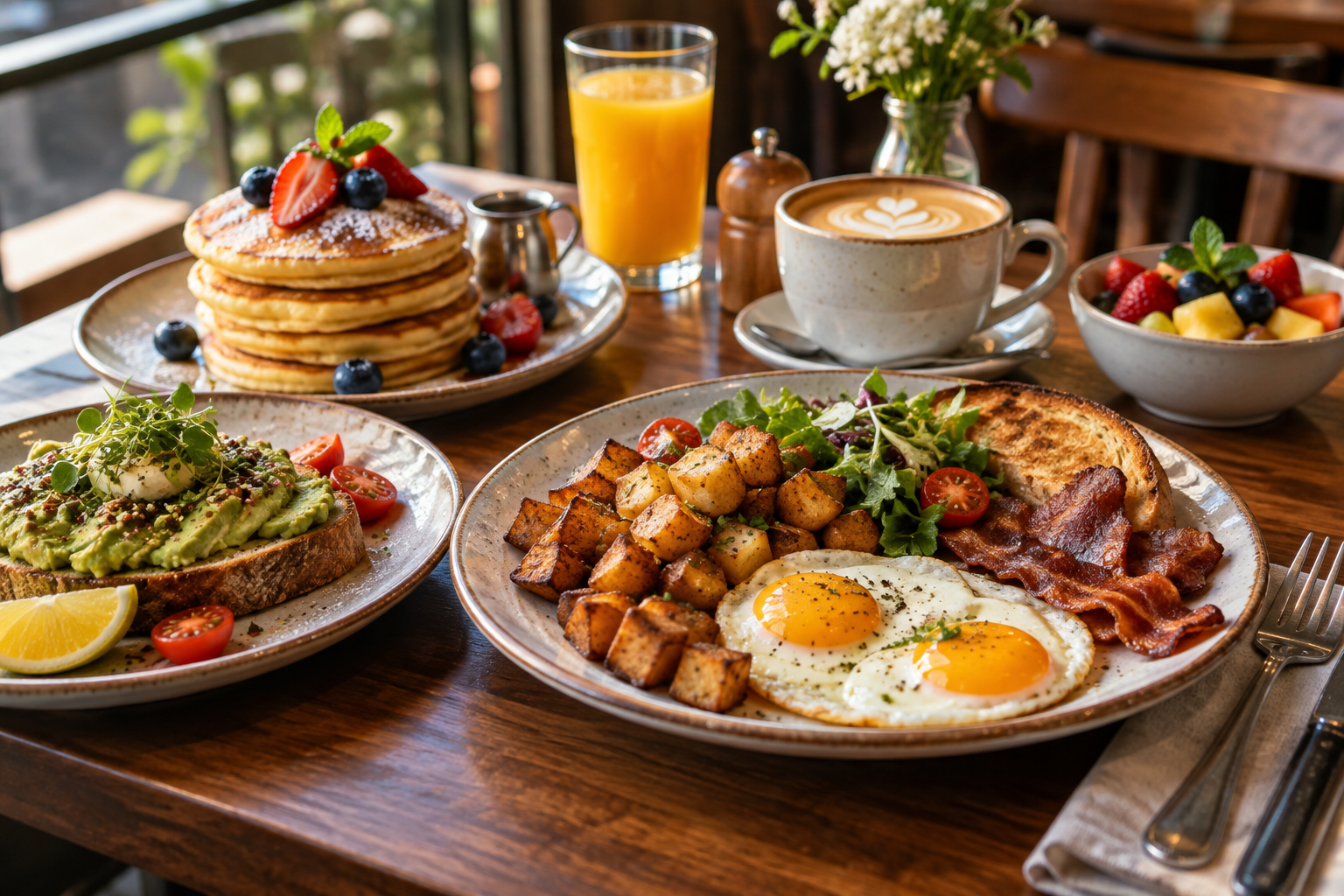
Brunch has become one of America’s most recognizable food traditions. For years, weekends meant crowded restaurants, long waits, bottomless drinks, oversized pancakes and carefully photographed plates.
But the restaurant industry is changing, and so are the habits of diners.
Some restaurants are shortening brunch hours, simplifying menus or moving their focus toward lunch. Customers are also becoming more conscious of prices, convenience and how much time a weekend meal actually takes.
So, is brunch really dying in America?
I don’t think the answer is that simple.
As a chef, I see something more interesting happening. Brunch is not necessarily disappearing. It is being forced to prove its value.
The restaurants that understand what customers actually want may keep brunch thriving, while the traditional model of expensive, complicated menus and long waits may be the part that changes.
Why Brunch Became So Popular in America
Brunch solved a very simple problem: it gave people a reason to slow down.
Breakfast was often rushed. Lunch was practical. Dinner had its own expectations. Brunch sat comfortably in between them.
It became a social meal as much as a food occasion. Friends could meet late in the morning, families could gather on weekends, and restaurants could turn a relatively simple meal into an experience.
The menu also helped. Eggs, pancakes, waffles, French toast, potatoes, sandwiches and pastries are familiar foods, but restaurants could turn them into something more memorable through presentation, sauces and combinations.
For restaurants, brunch offered another advantage. It created a strong weekend occasion during hours when a well-designed operation could generate significant sales.
But the very things that made brunch successful are now being questioned.
Is the food worth the price?
Is the wait worth the experience?
Does a customer really want to spend two hours waiting for a table to eat a plate of eggs?
Those questions are changing the way restaurants think about brunch.
The Problem With the Traditional Brunch Model
Brunch works when the experience feels worth the time and money. That is becoming harder for some restaurants to achieve.
A traditional brunch operation can be surprisingly complicated. The kitchen may need to handle eggs cooked to different preferences, pancakes, waffles, French toast, potatoes, sandwiches, pastries, salads and specialty drinks at the same time.
Unlike a dinner service where dishes can be spread across a longer period, brunch often creates a concentrated rush. A restaurant can suddenly receive a large number of orders within a short window.
That creates pressure on the kitchen.
More staff may be needed. Preparation has to be precise. Equipment becomes heavily loaded. Tickets can pile up quickly. If one component is delayed, the entire plate can be delayed.
Then there is the customer’s side of the equation.
When menu prices rise, customers naturally become more selective. A brunch that once felt like an affordable weekend treat can start feeling expensive, especially when drinks, service charges and additional items are added to the bill.
The result is not necessarily that people have stopped enjoying brunch.
They may simply be asking for more value from it.
A restaurant cannot rely on the word “brunch” alone to justify a premium price anymore. The food, service, atmosphere and convenience all have to work together.
Brunch Is Not Dead, But the Customer Has Changed
The phrase “brunch is dying” makes a good headline, but it probably misses what is really happening.
People still want enjoyable weekend meals. They still want to meet friends, spend time with family and try something they would not normally cook at home.
What has changed is the customer’s expectation.
A modern diner may be asking for something faster, more affordable and easier to understand. They may not want a huge menu with twenty variations of eggs. They may prefer a smaller selection of dishes that are prepared well and served without a long wait.
This is something I have seen repeatedly in professional food operations: a smaller menu can sometimes create a better customer experience.
Fewer ingredients can mean better purchasing control. Preparation becomes easier to standardise. Staff can learn the dishes faster. The kitchen can move orders more efficiently.
From a restaurant business perspective, that matters enormously during a busy weekend service.
Brunch does not necessarily need more choices.
It needs better choices.
That could mean a signature egg dish, one excellent pancake, a strong breakfast sandwich, a well-designed vegetarian option and a few dishes that give the restaurant its own identity.
The future of brunch may therefore be less about offering everything and more about giving customers a few reasons to come back.
Why Restaurants Are Rethinking Brunch
From a restaurant owner’s perspective, brunch is a numbers game as much as it is a food experience.
A busy brunch service can generate excellent revenue, but only if the operation is designed correctly. High sales do not automatically mean high profit.
Restaurants have to consider food cost, labour, preparation time, kitchen capacity, table turnover and waste.
A large brunch menu can create hidden costs. More ingredients mean more inventory. More recipes mean more preparation. More specialised ingredients can also increase the chance of waste when demand is unpredictable.
This is why some restaurants are looking at brunch differently.
Instead of treating brunch as a completely separate food operation, they can build dishes around ingredients already used elsewhere on the menu.
For example, roasted potatoes can support breakfast plates, lunch dishes and sides. A good sauce can work across multiple preparations. Bread, eggs, vegetables and proteins can be planned across different dayparts.
This is where menu engineering becomes important.
The goal is not simply to sell the most expensive dish. The goal is to create a menu where popular dishes also make operational and financial sense.
For a restaurant, the best brunch dish is often one that customers love, the kitchen can execute consistently and the business can produce profitably.
What the Future of Brunch Could Look Like
I don’t believe brunch is going away. I believe the traditional version of brunch is being challenged.
The next generation of successful brunch restaurants may look very different from the classic model. Smaller menus, faster service, stronger signature dishes and better value could become more important.
Some restaurants may even move away from the idea of a fixed brunch menu and create a weekend menu that blends breakfast and lunch.
That gives chefs more flexibility.
Instead of forcing customers to choose between breakfast and lunch, a restaurant can offer dishes that work across both occasions: a properly cooked egg dish, a premium breakfast sandwich, a fresh grain bowl, a well-designed chicken or vegetarian plate, excellent coffee and a few indulgent options.
The opportunity is also interesting for smaller restaurants.
A focused weekend menu can be easier to operate than a large traditional brunch menu. With careful preparation and ingredient planning, restaurants can create a memorable experience without building an unnecessarily complicated kitchen operation.
The future of brunch may not be bigger. It may be smarter.
And that could be good news for both restaurants and diners.
What Makes a Brunch Worth Coming Back For?
A successful brunch is not remembered because the menu had the most items. It is remembered because the experience felt right.
The food needs to arrive at the right temperature. Eggs should be properly cooked. Toast should still have texture. Potatoes should be crisp rather than soggy. Coffee should arrive when the customer actually wants it.
These details sound simple, but during a busy brunch service they require good preparation and strong kitchen systems.
I always look at a dish from two sides: what does the customer experience, and what does the kitchen experience?
A beautiful dish that takes too long to prepare is not necessarily a good restaurant dish. Likewise, a dish that is highly profitable but consistently disappoints customers will eventually damage the business.
The best brunch dishes sit somewhere in the middle. They are desirable, practical to execute and financially sensible.
That is where chefs and restaurant operators can make a real difference.
Brunch does not need to become cheaper, faster or simpler in every restaurant. It simply needs to deliver enough value for the customer to say:
“I would come back for that.”
The Restaurant Opportunity Behind the Brunch Shift
When customer habits change, restaurants have a choice: protect the old model or redesign the experience around what people want now.
I think brunch creates an interesting opportunity for chefs and restaurant owners.
Instead of competing with every other restaurant on the biggest pancake stack or the most elaborate brunch cocktail, a restaurant can build a clear identity around a few memorable dishes.
That might be a chef-driven breakfast sandwich, a signature egg preparation, a regional specialty, a high protein breakfast, an excellent vegetarian plate or a dish that customers cannot easily recreate at home.
The important question is not:
“How many brunch dishes can we sell?”
It is:
“Which dishes give the customer a reason to choose us?”
Once those dishes are identified, the business side becomes much easier to analyse. Food cost, preparation time, selling price, portion size and contribution margin can all be measured.
This is where food business knowledge becomes just as important as culinary creativity.
A chef can create a fantastic dish. A profitable restaurant needs to know whether that dish can be produced consistently, sold at the right price and repeated hundreds of times without losing quality.
That may ultimately be the biggest change coming to brunch.
Less spectacle. More value. Better food. Smarter operations.
Is Brunch Actually Dying?
Probably not.
What is changing is the definition of brunch.
The idea of waking up late, meeting friends and enjoying a relaxed meal is not disappearing. What customers may be rejecting is the combination of high prices, long waits, oversized portions and complicated menus that does not always feel worth the experience.
That distinction is important for restaurant owners.
Declaring brunch “dead” could mean missing an opportunity. The smarter approach is to understand why some customers are becoming less interested and redesign the experience around those concerns.
A restaurant might reduce the menu, improve speed of service, introduce better portion choices, offer strong non-alcoholic drinks or create dishes with a clearer value proposition.
Another restaurant may discover that its customers still love the traditional weekend brunch and simply need better execution.
There is no single answer.
Brunch is not a recipe. It is a restaurant experience, and experiences have to evolve with the customer.
The restaurants that pay attention to what their guests are actually telling them will have the best chance of keeping brunch relevant.
What Restaurants Should Do Now
If you operate a restaurant and are wondering whether brunch still makes sense, I would not start by asking whether brunch is trending.
Start with your own numbers.
Look at your busiest brunch dishes. Check their food cost, selling price, preparation time, waste and customer feedback.
Then ask a more important question: which dishes are actually making the business money while keeping customers happy?
You may discover that a few dishes generate most of your sales. Those dishes deserve attention.
You may also discover that some complicated items consume too much kitchen time without generating enough profit. Those are the dishes worth reconsidering.
The same applies to the customer experience. If guests regularly complain about waiting times, portion sizes or value, changing the menu alone may not solve the problem. The entire brunch operation may need to be redesigned.
For me, this is the exciting part of the change.
Brunch gives chefs an opportunity to combine creativity with food business discipline.
The winning restaurant may not be the one with the biggest brunch menu. It may be the one that understands its customers better than everyone else.
Chef RBS Verdict
So, is brunch dying in America?
I would say no. But the old brunch model is being tested.
Customers are still looking for enjoyable food, social experiences and reasons to get together on weekends. What they are becoming less willing to accept is paying a premium for an experience that feels slow, excessive or predictable.
For restaurants, that creates a clear message.
Keep the experience people love. Remove the parts that no longer create value.
Build a focused menu. Control food cost. Train the kitchen properly. Reduce unnecessary complexity. Give customers dishes they genuinely want to eat.
And most importantly, make sure the photograph on the menu represents the food that actually reaches the table.
That last point matters more than ever in a world where technology can make almost any food look perfect.
The future of brunch will belong to restaurants that understand both sides of the plate: what the customer wants and what the business can deliver.
Brunch may change.
But good food, good hospitality and good value are not going anywhere.
The Future of Brunch in America
Brunch is not disappearing. It is evolving.
The next phase of brunch will likely be shaped by restaurants that understand changing customer expectations rather than simply following the old formula.
Customers still want enjoyable weekend food, but they also want value, convenience, quality and an experience that feels worth their time.
For chefs and restaurant owners, that means going back to the fundamentals: great food, smart menu design, efficient kitchen operations and consistent execution.
The strongest brunch concept may be the one that looks simple from the customer’s side but is carefully engineered behind the scenes.
That is good restaurant business.
So I would not write the obituary for brunch yet.
I would redesign it.
Frequently Asked Questions About Brunch
Is brunch dying in America?
No. Brunch is changing rather than disappearing. Restaurants are adapting menus, pricing, service speed and overall experiences to changing customer expectations.
Why are some restaurants reducing brunch service?
Long waits, higher operating costs, complicated menus and changing customer preferences can make traditional brunch harder to operate profitably.
Is brunch still popular in the United States?
Brunch remains a recognisable American dining occasion, but customers are becoming more selective about price, convenience, food quality and overall value.
What makes a profitable brunch menu?
A profitable brunch menu balances customer demand with food cost, preparation time, portion control, kitchen capacity and selling price.
How can restaurants improve their brunch business?
Restaurants can focus on fewer signature dishes, improve kitchen efficiency, control food waste and design the menu around dishes that customers value and the operation can execute consistently.