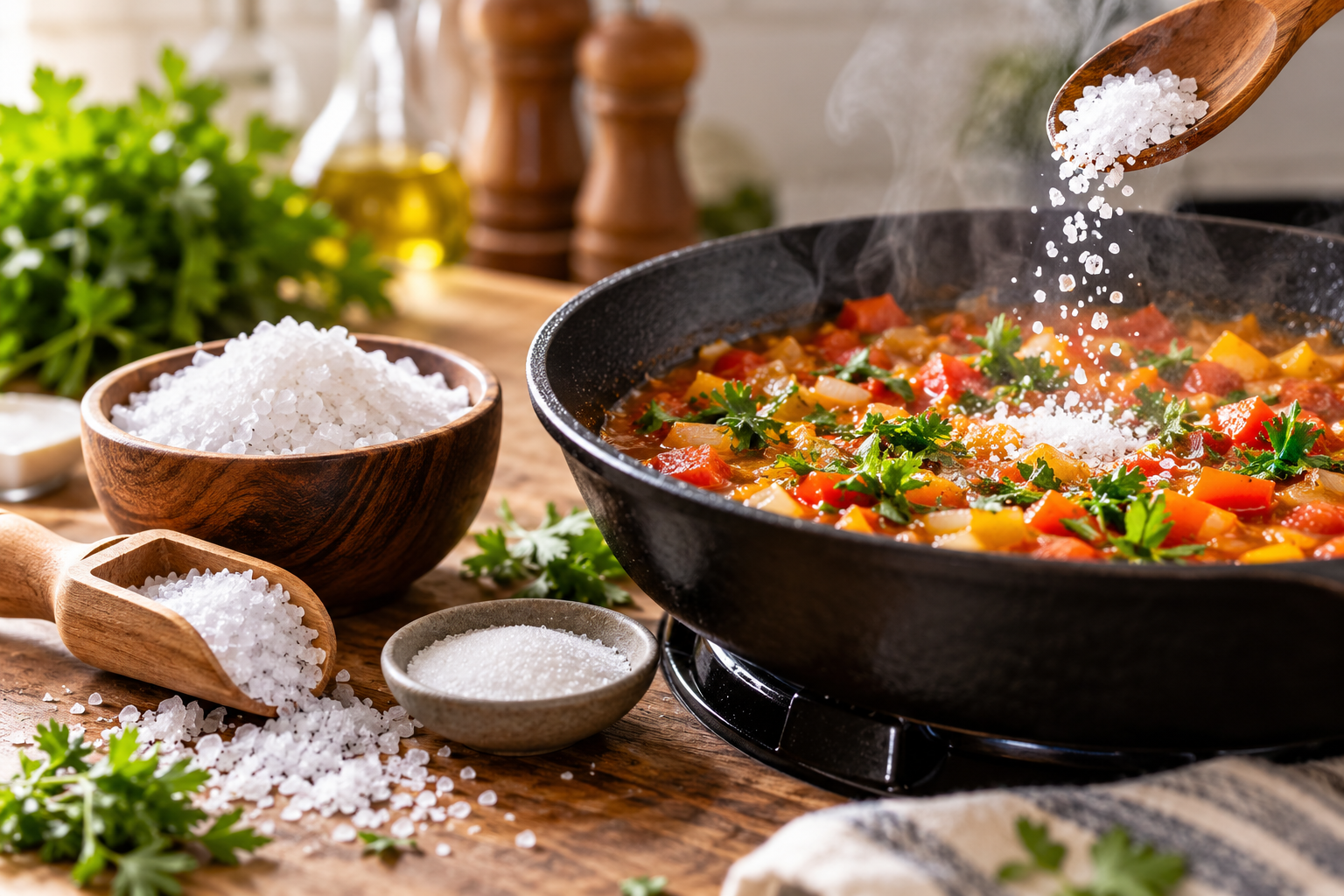
Why Do Chefs Add Salt in Layers?
1. Introduction
Salt seems simple, but professional chefs rarely treat it as a one-time ingredient.
Instead of adding all the salt at the end, chefs often season at different stages of cooking. This helps build flavor gradually and makes it easier to control the final taste.
The timing also depends on what you are cooking. Salt can affect moisture, texture, and how other flavors are perceived.
In this guide, I’ll explain when to add salt while cooking, why chefs season in layers, and how to avoid ending up with food that is either bland or too salty.
Chef RBS tip: Good seasoning is not about using more salt. It’s about using the right amount at the right stage.
2. Why Seasoning in Layers Works
When you add salt at different stages, you get more control over the final flavor.
For example, when cooking vegetables, meat, or a sauce, an early amount of salt can season the ingredients as they cook. Later, you can taste the dish and adjust the seasoning as moisture reduces and the flavors become more concentrated.
Finishing salt serves a different purpose. A small amount added at the end can give the finished dish a clearer, more noticeable salty taste.
This is why professional chefs don’t simply add all the salt at once.
Chef RBS tip: Think of seasoning as building flavor in stages, not adding one final dose of salt.
3. When Should You Add Salt?
There isn’t one perfect moment to add salt to every dish.
For foods such as soups, sauces, stews, and braises, adding some salt during cooking allows you to taste and adjust the seasoning as the dish develops.
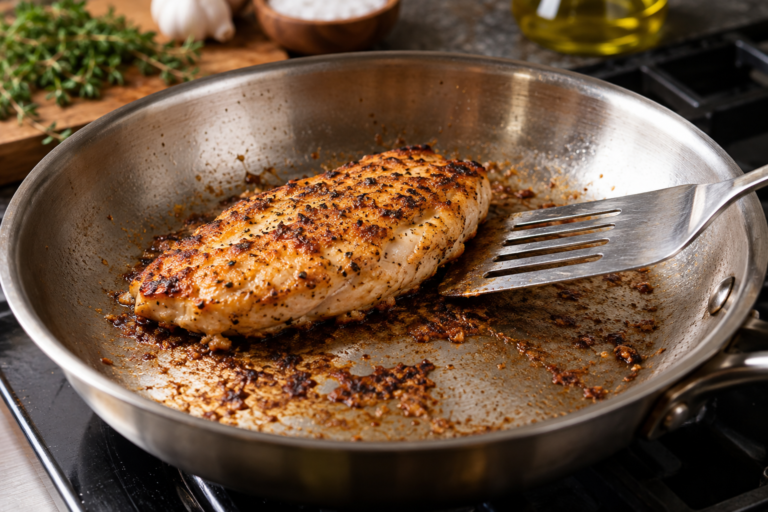
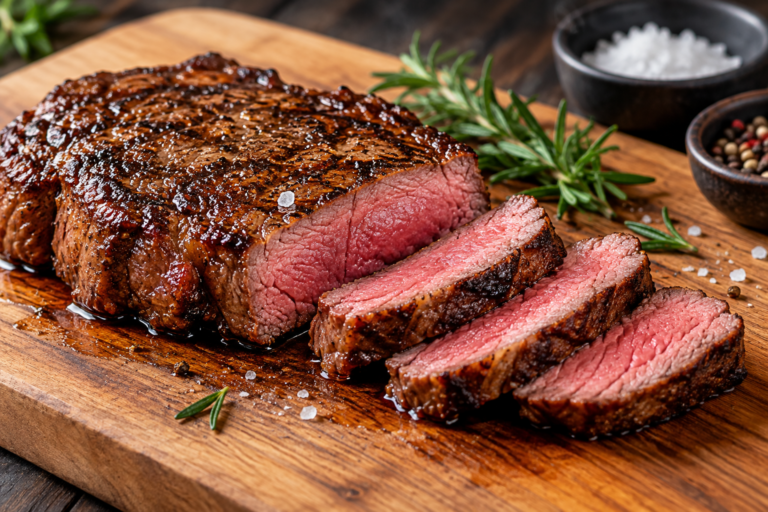
For meat and vegetables, seasoning before or during cooking can help build flavor throughout the dish rather than leaving all the seasoning on the surface at the end.
The important part is to taste as you cook and remember that sauces, stocks, and other ingredients may already contain salt.
Chef RBS tip: Add a little, cook, taste, then adjust. It is much easier to build seasoning than to remove excess salt.
4. Why Chefs Taste Before Adding More Salt
One of the biggest differences between home cooking and professional cooking is how often chefs taste the food.
A dish can change considerably as it cooks. Water evaporates, ingredients release their own flavors, and sauces can become more concentrated.
If you keep adding salt without tasting, it is easy to oversalt the dish.
Instead, chefs taste at important stages and adjust gradually.
Chef RBS tip: Don’t season on autopilot. Taste, adjust, taste again.
5. What Happens When You Add Salt Too Early or Too Late?
Salt can behave differently depending on when it is added.
Adding some salt early in a dish gives it time to become part of the overall seasoning as the food cooks. But adding too much at the beginning can become a problem if the dish later reduces and the flavors become more concentrated.
Adding all the salt at the very end has the opposite problem. The salt may remain more noticeable on the surface instead of being balanced throughout the dish.
That’s why chefs often season gradually and adjust toward the end.
Chef RBS tip: The longer a dish cooks and reduces, the more carefully you should season it.
6. Finishing Salt: The Final Adjustment
Finishing salt has a different role from the salt used during cooking.
A small amount added at the end can give the finished dish a brighter, more noticeable seasoning. This is particularly useful for foods where you want a little contrast on the surface.
But finishing salt should not be used to rescue an improperly seasoned dish. The foundation should already be balanced during cooking.
Chef RBS tip: Season during cooking for balance. Use finishing salt for the final adjustment and texture.
7. The Chef Rule: Season, Taste, Adjust
The simplest way to think about salt is to treat seasoning as a process.
Season → Cook → Taste → Adjust → Finish
Don’t try to get the perfect salt level in one step. Let the ingredients and cooking process develop, then make small adjustments as you go.
This approach is especially useful for soups, sauces, gravies, stews, and other dishes where the flavor can change during cooking.
Chef RBS tip: A professional kitchen doesn’t rely on a fixed amount of salt alone. It relies on constant tasting and controlled adjustment.
8. Common Salt Mistakes
Even experienced cooks can over-season a dish when they add salt without considering the cooking process.
Common mistakes include:
- Adding too much salt at the beginning
- Forgetting that stocks, sauces, and other ingredients may already contain salt
- Adding more salt without tasting first
- Not accounting for reduction during cooking
- Trying to fix a bland dish with one large addition instead of small adjustments
Chef RBS tip: When you’re unsure, add less first. You can always add more, but removing excess salt is much harder.
9. Chef RBS Takeaway
Salt is more than just an ingredient you add at the end.
Professional seasoning is about timing, tasting, and adjustment. Add some salt during cooking, taste as the dish develops, and make small adjustments before serving.
Remember:
Season → Cook → Taste → Adjust → Finish
Chef RBS tip: Don’t ask, “How much salt does this recipe need?” Ask, “When does this dish need seasoning?”