Popcorn Beyond the Movie Theater: The Science Behind Its New Popularity.
Popcorn has always been a familiar snack, but it is no longer limited to movie nights and buttery cinema buckets. From sweet-and-salty combinations to spicy seasonings and gourmet flavors, this simple grain has found new ways to capture attention.
What makes popcorn so interesting is that its appeal goes beyond flavor. It is one of the few everyday foods that transforms dramatically when heated, turning a small, hard kernel into a light, crunchy snack. That change involves moisture, pressure, starch, and heat working together in a surprisingly precise way.
From a chef’s perspective, popcorn also offers a versatile canvas for flavor. The same base can become smoky, spicy, sweet, or savory depending on the seasoning, fat, and technique used.
But is popcorn genuinely a better snack choice, or is its growing appeal mainly about new flavors and clever marketing? Understanding the science behind popcorn, its nutritional qualities, and the way it is prepared helps explain why this familiar snack continues to evolve.
Quick Answer: Why Is Popcorn Becoming So Popular?
Popcorn is gaining attention because it is affordable, versatile, and easy to customize with different flavors and textures. Food brands are taking it beyond traditional butter and salt, introducing spicy, sweet, cheesy, and globally inspired seasonings that appeal to adventurous snackers.
There is also a nutritional reason for its appeal. Plain popcorn is a whole grain that provides fiber, and air-popped popcorn can be a relatively low-calorie snack. However, added butter, oil, sugar, cheese powders, and large serving sizes can significantly change its nutritional profile.
The real secret behind popcorn’s popularity is the combination of science and creativity: heat makes it puff, its light crunch makes it satisfying, and its neutral flavor allows chefs to take it in almost any direction.
What Makes Popcorn Pop? The Food Science Explained
Every popcorn kernel contains a small amount of water trapped inside a hard outer shell called the pericarp. When the kernel heats up, that water becomes hot and generates increasing pressure inside the shell.
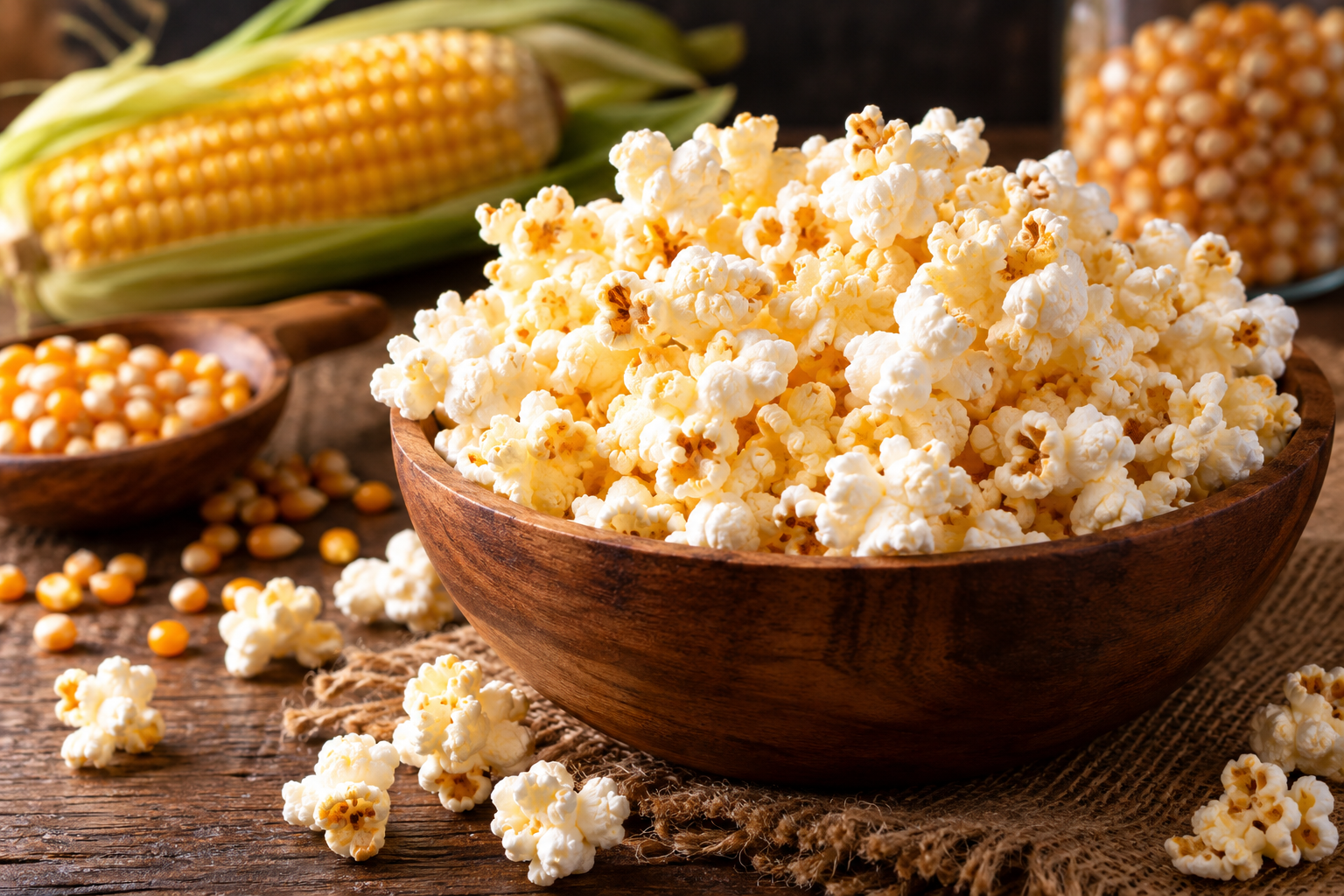
Popcorn is a fascinating example of food science in action, showing how heat, moisture, and starch can transform a hard kernel into a light, crunchy snack.
As the temperature rises, the moisture turns into pressurized steam. The starch inside the kernel softens, and the pressure continues to build until the outer shell can no longer contain it.
When the shell ruptures, the superheated moisture expands rapidly. The softened starch expands with it, then cools and sets into the familiar light, crisp structure we recognize as popcorn.
Why Doesn’t Every Kernel Pop?
Popcorn needs the right combination of moisture, heat, and an intact outer shell. If a kernel has lost too much moisture or its shell is damaged, it may not build enough pressure to pop properly.
That is why storage matters. Keeping popcorn kernels sealed in a cool, dry place helps preserve their moisture balance and popping performance.
The Chef’s RBS Perspective
The fascinating part is that popcorn does not need added ingredients to create its signature volume and crunch. The transformation happens through the kernel’s own moisture, starch, and structure.
For chefs and food developers, this makes popcorn an excellent example of how heat can transform a simple ingredient into a completely different eating experience. Once the kernels pop, the next challenge is controlling seasoning, texture, and moisture so the finished snack stays crisp and flavorful.
Why Does Popcorn Have Such a Satisfying Crunch?
Popcorn’s appeal is not just about flavor. Its light, brittle structure creates a distinctive crunch that makes each bite feel different from softer snacks.
The same principles of food texture help explain why crispness matters so much in snacks and other everyday foods.
When a kernel pops, the softened starch expands into a network of tiny air pockets. As the structure cools, it becomes rigid and crisp. When you bite into it, that structure fractures, producing the familiar crunchy sound and sensation.
How Moisture Changes the Texture
Moisture is one of the biggest enemies of crisp popcorn. After popping, the porous structure can absorb moisture from humid air or from wet seasonings. As water enters the structure, it softens the crisp walls and reduces the satisfying crunch.
This is why freshly popped popcorn often tastes better than popcorn left uncovered for hours.
The Chef’s Technique: Season Without Losing the Crunch
- Season promptly: Add dry seasonings while the popcorn is still warm so they adhere more easily.
- Use fat carefully: A light coating of oil or melted butter can help seasoning stick, but excess fat can make the snack heavy.
- Avoid excess liquid: Wet sauces can soften popcorn quickly. For strong flavors, dry seasoning blends are often more practical.
- Store it airtight: Once cooled, keep popcorn in a sealed container to limit moisture absorption.
From a chef’s perspective, the goal is to create a balance between flavor adhesion and crisp texture. A seasoning can taste excellent, but if it makes the popcorn soggy, the overall eating experience suffers.
The key lesson: great popcorn depends on both the flavor you add and the texture you protect.
Popcorn Flavors: How One Simple Snack Becomes So Versatile
One reason popcorn works so well as a modern snack is its ability to carry very different flavors. Its relatively mild taste allows seasonings to take the lead, making it easy to create sweet, savory, spicy, or tangy variations from the same basic ingredient.
For chefs and food developers, the secret is understanding how flavor, fat, and texture work together.
Sweet Popcorn
Caramel, cinnamon sugar, chocolate, and maple-inspired coatings can turn popcorn into a dessert-style snack. Sugar coatings add sweetness and, when prepared correctly, can create a crisp outer layer. However, moisture from some toppings can soften popcorn if the coating or storage method is poorly controlled.
Savory Popcorn
Cheese powder, garlic, smoked paprika, herbs, and nutritional yeast can give popcorn a richer savory profile. Fine powders generally coat the surface more evenly than coarse ingredients.
A small amount of oil can help dry seasonings adhere, but too much can leave the popcorn greasy.
Spicy and Tangy Popcorn
Chilli, black pepper, cumin, lime-inspired seasoning, and tangy spice blends create a bolder snack. Combining heat with acidity or a touch of sweetness can make the flavor more balanced rather than simply hotter.
The Chef’s Flavor-Building Principle
When creating a popcorn seasoning, think in layers:
- Base: salt or another savory foundation.
- Character: herbs, spices, cheese, or a sweet element.
- Contrast: acidity, gentle heat, or a hint of sweetness where appropriate.
The best combination depends on the intended style. A smoky chili popcorn needs a different balance from cinnamon-sugar popcorn.
The important lesson: innovative popcorn does not require an entirely new product. Sometimes, a thoughtful seasoning blend and good coating technique are enough to make a familiar snack feel new.
Is Popcorn a Healthy Snack?
Popcorn can be a nutritious snack, but its health value depends on how it is prepared and how much you eat. Plain popcorn is a whole-grain food that provides dietary fiber, while added fats, sugar, and salt can change its nutritional profile considerably.
The Whole Grains Council’s explanation of whole grains identifies popcorn as a whole-grain food because it retains the essential parts of the grain kernel.
What Makes Plain Popcorn a Good Choice?
- Whole grains: Popcorn retains the bran, germ, and endosperm of the grain.
- Dietary fiber: Fiber contributes to normal digestion and can help make a snack more satisfying.
- Flexible preparation: Air-popping lets you prepare popcorn without adding oil during cooking.
- Versatility: Herbs, spices, and other seasonings can add flavor without requiring heavy coatings.
When Can Popcorn Become Less Healthy?
Movie-theater popcorn, caramel-coated varieties, and heavily seasoned packaged products can contain substantial amounts of added fat, sodium, or sugar. Portion size also matters, particularly when eating directly from a large container.
A snack labelled “natural” or “gourmet” is not automatically healthier. Check the nutrition label and serving size rather than judging by the name alone.
The Chef’s RBS Perspective
I see popcorn as a good example of how a simple ingredient can fit different eating preferences. Air-popped popcorn with a measured amount of seasoning can be a practical everyday snack, while butter-rich or sugar-coated versions are better understood as more indulgent choices.
The takeaway: popcorn itself is not the problem or the solution. Its ingredients, preparation, and portion size determine much of the final nutritional picture.
Gourmet Popcorn vs. Regular Popcorn: What’s the Difference?
The difference between gourmet popcorn and regular popcorn is usually not the kernel itself. It is the combination of flavoring, coating, ingredient quality, preparation technique, and presentation.
Regular popcorn often relies on simple seasoning such as salt or butter. Gourmet popcorn takes the same basic snack and develops it through more elaborate flavor combinations, coatings, and textures.
What Makes Gourmet Popcorn Different?
Flavor development: Gourmet varieties may combine sweet, savory, spicy, and tangy elements rather than using a single seasoning.
Coating technique: Caramel, chocolate, and cheese coatings require different approaches. Some need controlled heating, while dry seasonings depend on good surface adhesion.
Texture control: A successful product should retain its intended texture. Excess moisture can soften popcorn, while an uneven coating can create inconsistent bites.
Ingredient selection: Specialty ingredients can create distinctive flavors, but premium ingredients do not automatically make a product healthier or better tasting.
Can Gourmet Popcorn Be Made at Home?
Absolutely. Start with freshly popped kernels, then divide them into small batches and experiment with different dry seasoning blends. For caramel or other coated varieties, pay attention to moisture and cooling so the finished popcorn develops the desired texture.
From a food-business perspective, consistency matters as much as creativity. A seasoning that tastes excellent in one batch must also coat evenly and deliver the same flavor in the next.
The Chef RBS verdict: gourmet popcorn is less about reinventing popcorn and more about applying thoughtful flavor design and good technique to a familiar snack.
Chef RBS Verdict: Why Popcorn Is More Than a Movie Snack
Popcorn is a simple ingredient with surprising potential. Its transformation through heat, its naturally crunchy structure and its ability to carry sweet, savory and spicy flavors make it useful for both home cooks and food businesses.
From a nutrition perspective, plain popcorn offers whole grains and dietary fiber. From a culinary perspective, the real opportunity lies in seasoning, coating and texture control. The final result depends on preparation, added ingredients and portion size.
For food businesses, gourmet popcorn can also provide room for product differentiation without requiring an entirely different base ingredient. Consistent flavor, crispness, packaging and freshness are essential to making the product work.
My final thought: great popcorn is not just about making kernels pop. It is about understanding the science, controlling the texture and building flavors that make people want another bite.
Frequently Asked Questions About Popcorn
1. Is popcorn a whole grain?
Yes. Popcorn is a whole grain that contains the bran, germ and endosperm. Plain popcorn also provides dietary fiber.
2. Why do some popcorn kernels fail to pop?
Kernels may fail to pop if they have lost too much moisture, have damaged outer shells or do not receive enough heat. Proper storage helps preserve their popping performance.
3. Is air-popped popcorn healthier than oil-popped popcorn?
Air-popped popcorn can contain less added fat because it is prepared without oil. Oil-popped popcorn can also fit into a balanced diet, depending on the oil used, seasoning and portion size.
4. How do you keep popcorn crispy?
Let freshly popped popcorn cool appropriately, avoid excess liquid toppings and store it in an airtight container once cooled. Exposure to moisture can soften its crisp structure.
5. What are the most popular gourmet popcorn flavors?
Common options include caramel, cheese, butter, chocolate, chilli, cinnamon and sweet-and-salty combinations. Flavor preferences vary, and brands continue experimenting with new combinations.
6. Can popcorn be a good snack for weight management?
Plain popcorn can be a satisfying snack because it provides whole grains and fiber. However, added fats, sugar, portion size and an individual’s overall dietary needs all affect how it fits into a balanced eating pattern.
Final Takeaway
Popcorn shows how a simple grain can become a remarkably versatile snack through the science of heat, moisture and starch. Its natural crunch and ability to carry different flavors make it equally interesting for home kitchens and food businesses.
The secret to better popcorn is understanding the kernel, protecting its texture and using seasonings thoughtfully.
Great popcorn brings food science and flavor together, one kernel at a time.