Restaurant Menu Profit: How to Calculate the Real Profit of Every Dish
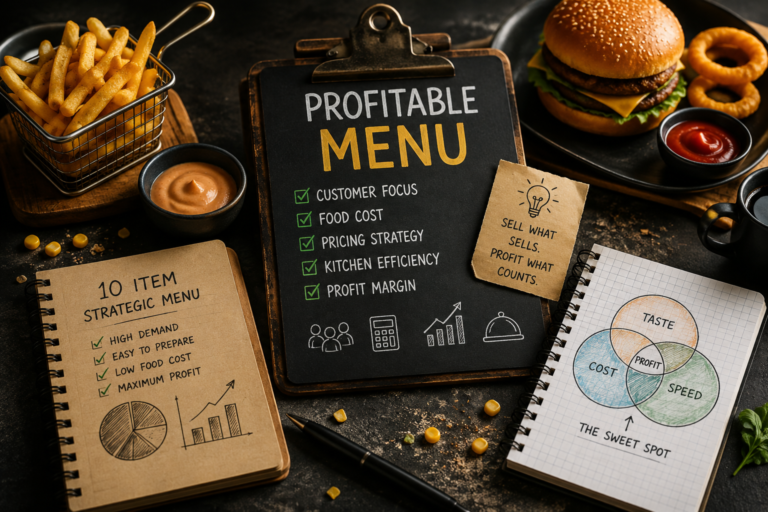
A dish can be popular, sell in large numbers and still make very little money. Understanding the real profit of each menu item helps restaurant owners, chefs and QSR operators make smarter decisions about pricing, portions, ingredients and menu design.
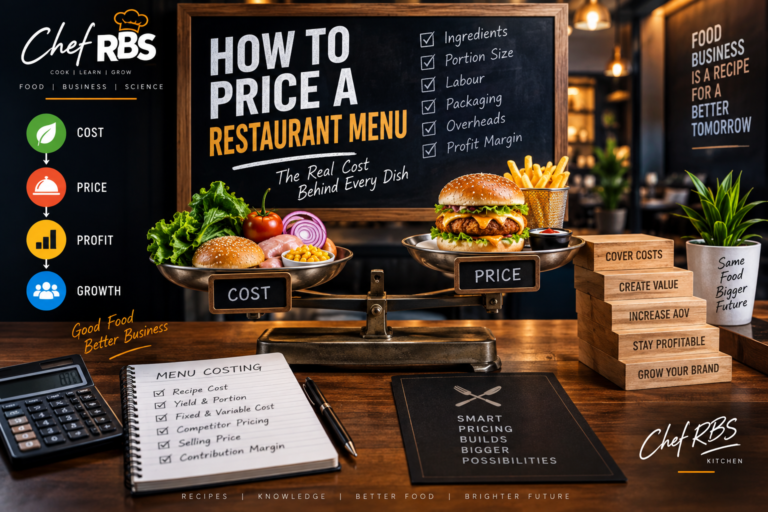
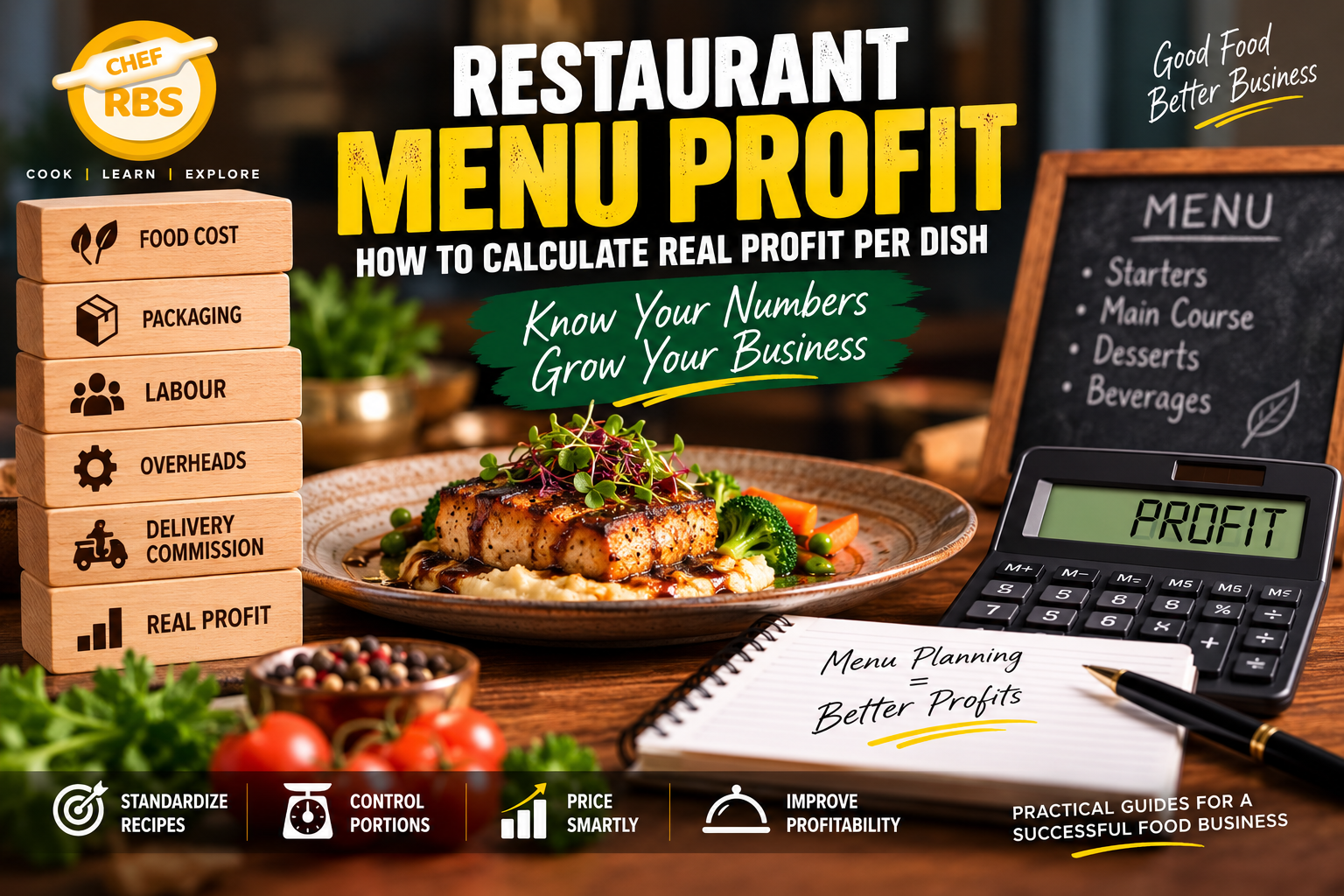
In this guide, Chef RBS explains how to calculate the real profit of a restaurant dish by looking beyond ingredient cost and considering packaging, labour, overheads, delivery commissions and other costs that affect the money left from every sale.
What Is Restaurant Menu Profit?
Restaurant menu profit is the amount of money left from a menu item after the costs associated with producing and selling that item are considered.
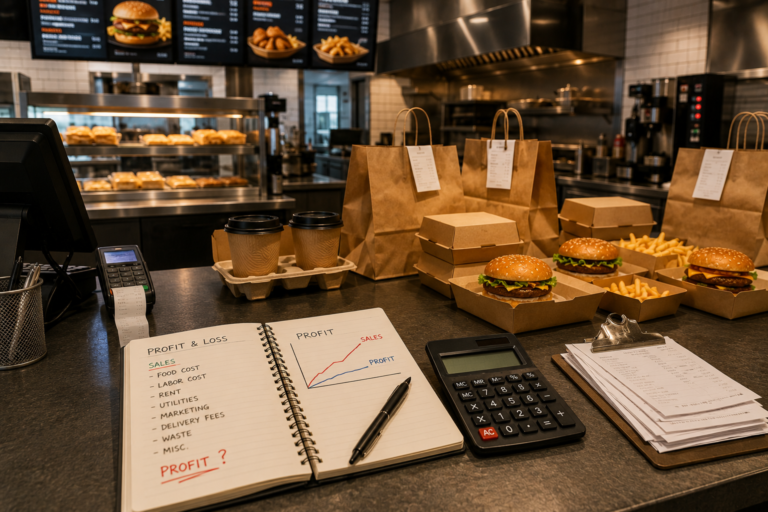
The simplest calculation starts with the selling price and subtracts the food cost. However, a more realistic restaurant calculation can also include packaging, direct labour, overhead costs and delivery or app commissions.
Looking at the real profit per dish gives you a clearer picture of which menu items are actually contributing to your business.
The Basic Restaurant Profit Formula
Restaurant Profit Per Dish = Selling Price − Food Cost − Packaging Cost − Direct Labour Cost − Allocated Overhead − Delivery/App Commission
This gives you a more realistic estimate of how much money a menu item contributes after the main costs associated with selling it.
Example: Calculating the Real Profit of a Menu Item
Suppose a restaurant sells a burger for $10.
The ingredient cost is $3, packaging is $0.50, direct labour is $0.50, and allocated overhead is $0.50. If a delivery platform charges a 30% commission, the commission is $3.
Real Profit = $10 − $3 − $0.50 − $0.50 − $0.50 − $3 = $2.50
So although the burger sells for $10 and has a 30% food cost, the estimated profit after these additional costs is only $2.50 per portion.
This is why looking only at food cost can give restaurant owners an incomplete picture of profitability.
Why Food Cost Alone Is Not Enough
Food cost tells you how much the ingredients cost, but it does not tell you how much money you actually keep from the sale.
A menu item with a low food cost percentage can still produce a weak profit if it requires expensive packaging, high labour, significant preparation time, high wastage or large delivery commissions.
For example, a dish with a 25% food cost may look excellent, but if its selling price is low and other costs are high, the actual profit can be much smaller than expected.
Restaurant owners should therefore track food cost, total cost, selling price and profit per portion together when evaluating menu performance.
5 Costs Every Restaurant Owner Should Track
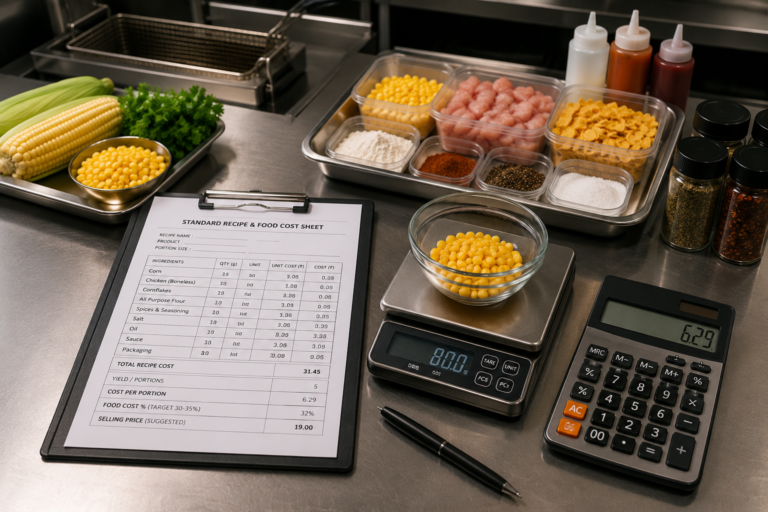
1. Food Cost: Track the actual ingredient cost of every portion using standardized recipes and current supplier prices.
2. Packaging Cost: Include takeaway containers, cups, bags, cutlery and other packaging used for the order.
3. Labour Cost: Consider the direct labour involved in preparing, cooking and serving the product.
4. Overhead Cost: Account for costs such as rent, electricity, gas, equipment, maintenance and other operating expenses.
5. Delivery/App Commission: If the item is sold through a delivery platform, include the commission because it directly reduces the amount retained from the sale.
How to Increase Profit Per Menu Item
Start by identifying the costs you can control. Review portion sizes, ingredient prices, preparation methods, packaging and selling prices regularly.
1. Improve portion control: Standardise every serving so customers receive consistent portions without unnecessary over-portioning.
2. Reduce ingredient waste: Track trimming, spoilage, overproduction and preparation losses.
3. Use ingredient overlap: Build your menu around ingredients that can be used across multiple dishes to improve purchasing and reduce waste.
4. Review menu pricing: If ingredient or operating costs increase, review your selling price instead of allowing your margin to disappear.
5. Promote high-profit items: Make profitable dishes easier for customers to discover through menu placement, descriptions and promotions.
6. Review delivery pricing: Delivery-platform commissions may require different pricing from dine-in or takeaway sales.
Use the Chef RBS Food Cost Calculator
Use the Chef RBS Restaurant Food Cost Calculator to calculate food cost percentage, total cost per portion, profit margin, recommended selling price and break-even selling price.
Enter your actual recipe and operating costs to get a more realistic estimate for each menu item. You can then compare the results across your menu and identify opportunities to improve profitability.
[Use the Restaurant Food Cost Calculator →]
How to Compare Profitability Across Your Menu
Create a simple menu profitability table and compare each item using the same measurements: selling price, food cost, total cost, profit per portion and profit margin.
An item that sells frequently is not automatically your most profitable item. Look at both sales volume and profit per portion to understand which products are really contributing to your business.
For example, a dish making $2 profit per portion but selling 200 portions may generate more total profit than a dish making $5 but selling only 30 portions.
Reviewing these numbers regularly can help you decide which products to promote, improve, reprice or remove.
Common Restaurant Menu Profit Mistakes
1. Looking only at food cost: A low food cost percentage does not automatically mean high profit.
2. Ignoring portion variation: Inconsistent portions can quietly increase ingredient costs.
3. Forgetting packaging: Takeaway and delivery packaging should be included in the cost calculation.
4. Using outdated ingredient prices: Supplier prices change, so recipe costs should be reviewed regularly.
5. Ignoring delivery commissions: A dish priced for dine-in may not produce the same profit when sold through a delivery platform.
6. Confusing sales with profit: A high-selling dish can still have a weak margin. Always look at both sales volume and profit.
Final Thoughts
Restaurant profitability starts with knowing your numbers. A menu should not be judged only by how much it sells but by how much profit each item contributes after its real costs are considered.
Review your menu regularly, keep recipes standardised, control portions and update your pricing when costs change. Small improvements across several menu items can make a meaningful difference to overall restaurant profitability.
For practical restaurant costing, menu pricing and food business strategies, explore the Food Business section of Chef RBS Kitchen.