
Why Are People Eating Snacks Instead of Meals?
There was a time when a snack was simply something you ate between meals.
A biscuit with tea. A handful of nuts. Some fruit in the afternoon.
Breakfast, lunch, and dinner were the proper meals, and snacks filled the gaps.
That boundary is becoming much less clear.
Today, a yogurt drink can become breakfast. A protein bar can replace lunch when someone is working. A handful of nuts and fruit can become an afternoon meal. A prepared snack box can be dinner when there is no time to cook.
As a chef, I find this change more interesting than simply saying “people are snacking more.”
The real question is, why are people turning snacks into meals?
The answer has less to do with people suddenly losing interest in traditional meals and more to do with how modern life has changed the way we think about time, convenience, nutrition, and even hunger. This is where food science helps us understand how ingredients, texture, and nutrition can shape the eating experience.
Recent U.S. research shows that the line between meals and snacks is becoming increasingly blurred, with consumers using smaller eating occasions to provide convenience, nutrition, energy, and enjoyment.
And from a food-business perspective, this creates an interesting question:
What actually makes a snack capable of replacing a meal?
What Has Changed About the Way We Eat?
The biggest change may not be the food itself. It may be the way we organize our day around food.
Traditional meals often assume that people have a predictable schedule: breakfast in the morning, lunch around midday, and dinner in the evening.
Modern life does not always work that way.
Work schedules change. Commutes take time. People eat between meetings, while traveling, after exercise, or late at night. Even when someone has access to a kitchen, there may not be enough time or energy to prepare a full meal.
That makes a snack attractive for a very practical reason:
It is easier to fit into an unpredictable day.
A snack can be eaten in five minutes. It can be carried in a bag. It usually requires little or no preparation. And today, many snacks are specifically designed to provide something people traditionally expected from a meal, such as protein, fiber, carbohydrates, or sustained energy.
This is where the definition starts to change.
A food does not become a meal simply because it is served on a plate.
If it satisfies hunger, provides useful nutrition, and fits the person’s needs at that moment, many consumers are perfectly comfortable treating it as a meal.
That shift is creating an entirely new space between traditional meals and traditional snacks.
Why Convenience Is Changing the Snack
Convenience has always mattered in food, but the modern snack has become much more sophisticated.
A snack used to be something simple that took the edge off hunger. Now it can be designed around a specific need: more protein, more fiber, steady energy, portability, or simply something satisfying between busy parts of the day.
That changes how food companies develop products.
A snack that is going to replace lunch cannot behave like a small treat. It needs enough substance to feel satisfying. That might come from a combination of protein, carbohydrates, fats, fiber, and volume rather than one “magic” ingredient.
This is something I consider when developing food products: satiety is not just about calories.
Texture, portion size, flavor intensity, and the time it takes to eat can all influence how satisfying something feels.
A crunchy snack eaten slowly can provide a very different experience from a soft drink consumed in seconds, even if both are marketed as convenient foods.
That is why the modern snack aisle is becoming much more interesting.
The question is no longer simply:
“What can I eat quickly?”
It is increasingly:
“What can I eat quickly that will actually keep me going?”
Can a Snack Really Replace a Meal?
It can, but not every snack is a meal in disguise.
A handful of candy may provide quick energy, but it is unlikely to keep someone satisfied for very long. On the other hand, a combination such as Greek yogurt, fruit, nuts, and seeds can provide a much more substantial eating experience.
The difference is not simply the size of the food.
A more complete eating occasion usually combines several elements that help with fullness and satisfaction. Protein can contribute to satiety, while fiber can add bulk and slow digestion. Carbohydrates provide energy, and fats can contribute flavor and staying power.
There is also the psychological side of eating.
People want to feel that they actually ate something.
A small portion with good texture, strong flavor, and a satisfying combination of ingredients can sometimes feel more complete than a much larger but poorly balanced snack.
From a chef’s perspective, this is where product development gets interesting.
If I were developing a snack specifically to replace a meal, I would not start by asking, “How many calories should it contain?”
I would start with:
“What should the customer feel after eating it?”
Satisfied? Energized? Full? Ready to continue working?
That answer would influence the ingredients, portion, texture, and format of the product.
Why Are Protein-Rich Snacks Becoming More Like Meals?
One of the clearest changes in the snack aisle is the growing emphasis on protein.
Protein used to be associated mainly with traditional meals: eggs at breakfast, chicken or fish at lunch and dinner, or dairy products as part of a meal.
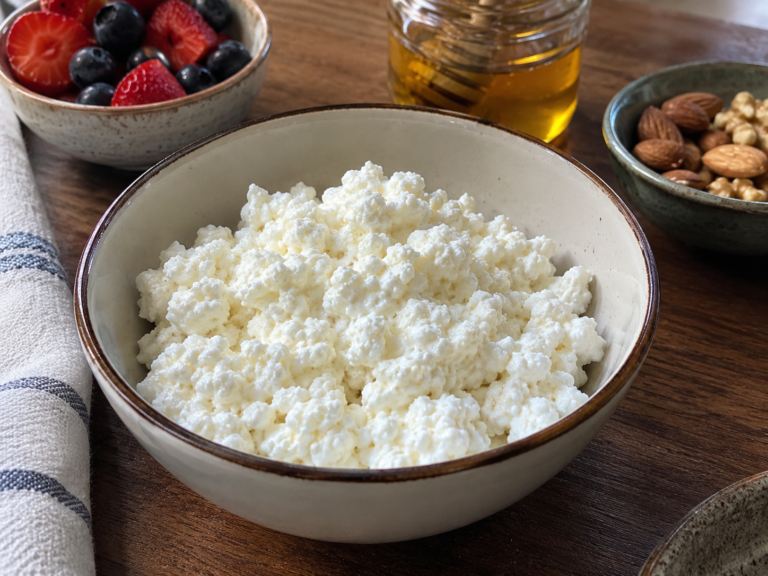
Now it appears in products that people can eat almost anywhere: yogurt drinks, bars, roasted legumes, cottage cheese products, protein snacks, and ready-to-eat combinations.
That makes protein particularly useful in the shift from meals to snacks.
But there is a difference between adding protein to a snack and creating a genuinely satisfying eating occasion.
A product can have a large number on the front of the package and still leave someone wanting more. Flavor, texture, portion size, fiber, fat, and overall composition all influence the experience.
This is why I think the more interesting development is not simply “high-protein snacks.”
It is the move toward snacks designed to perform a job that used to belong to a meal.
A busy consumer may not be looking for breakfast, lunch, or dinner at a particular time.
They may simply be looking for something that is convenient, satisfying, and nutritionally useful right now.
And that is changing how the food industry thinks about the humble snack.
Why Small Eating Occasions Fit Modern Workdays
There is another reason snacks are becoming more important: people are not always hungry at traditional meal times.
A long workday can create several smaller periods of hunger instead of one large lunch. Someone might eat something early in the morning, have coffee later, grab a small food item between meetings, and then eat a proper dinner at home.
This does not necessarily mean people have stopped eating meals.
Instead, the eating pattern is becoming more flexible.
For food businesses, that distinction is important. The opportunity is not only to replace breakfast, lunch, or dinner. It is to serve the moments between them.
That could mean a small breakfast product for someone commuting to work, a portable afternoon snack, a post-workout option, or a convenient evening bite.
From a chef’s point of view, these occasions require different thinking.
A product eaten at a desk needs to be easy to handle. Something eaten while travelling needs suitable packaging. A snack intended for the afternoon may need to provide enough satisfaction without feeling like a heavy dinner.
The occasion changes the food.
And as people’s schedules become less predictable, those smaller eating occasions create more opportunities for food companies, restaurants, and chefs to innovate.
Are Snacks Replacing Meals or Just Changing How We Eat?
The idea of snacks rather than meals is becoming more common as eating patterns grow more flexible.
It is tempting to say that snacks are replacing traditional meals, but the reality is more nuanced.
Many people are still eating breakfast, lunch, and dinner. What is changing is what happens between those meals and how substantial those eating occasions become.
A snack might become breakfast on a rushed morning, but the same person may still sit down for a full dinner later. Someone might replace lunch with several smaller foods during a busy workday and then have a traditional meal at night.
So rather than thinking of meals and snacks as two completely separate categories, it may be more accurate to think of them as a continuum.
At one end is a small bite eaten for pleasure. At the other is a complete meal.
Between those two points is a growing range of foods that can serve different purposes depending on the person, the occasion, and the portion.
This is particularly important for food businesses because the old labels may no longer tell the whole story.
A product marketed as a snack could become someone’s breakfast.
A breakfast product could become an afternoon meal.
And a collection of small foods could become dinner.
The occasion increasingly determines what the food means.
Why Portion Size Matters When Snacks Become Meals
When a snack starts replacing a meal, portion size becomes much more important.
A small snack can work perfectly when it is simply bridging the gap between lunch and dinner. The same portion may feel completely inadequate if someone is depending on it as their main meal.
This is one reason food companies are creating different formats of similar products. A small bar, a larger snack pack, and a complete snack box can all serve different eating occasions.
But portion size is not only about quantity.
The combination of ingredients matters too.
A bowl containing yogurt, fruit, nuts, and seeds can feel very different from a small sweet snack, even when both are eaten at the same time of day. The first provides more variety in texture, flavor, and composition, which can make the eating experience feel more complete.
As a chef, I think of portion design almost like menu design.
You have to ask:
What is this food supposed to do?
A quick bite needs one kind of portion.
A snack replacing lunch needs another.
A post-workout option has different requirements again.
When snacks start functioning as meals, portion and composition have to be designed together.
What Does This Mean for the Future of Food?
The shift toward smaller, more flexible eating occasions creates a much bigger opportunity than simply selling more snacks.
It changes how chefs and food companies can think about product format.
Instead of developing a product only as a breakfast food, lunch food, or snack, a company can design it around a particular need and occasion.
Portable foods can be built for commuting.
Higher-protein options can target busy afternoons.
Snack boxes can combine several textures and ingredients.
Ready-to-eat foods can provide a practical alternative when cooking is not possible.
This also creates room for more interesting culinary ideas.
A snack does not have to mean a bar or a packet of chips. It could be a small portion of a complete dish, a combination of savory ingredients, a chilled product, a frozen product, or something designed specifically for eating between activities.
From my perspective as a chef, this is where the category becomes exciting.
The opportunity is to take the flavor, texture, and satisfaction of a proper dish and redesign it for the way people actually live.
The future may not be about choosing between a meal and a snack.
It may be about creating food that can fit naturally into both.
Final Thoughts
The rise of snacking does not necessarily mean that traditional meals are disappearing.
It shows that the way people eat is becoming more flexible.
A snack can be a quick bite, a source of energy, a convenient breakfast or, in some situations, a complete meal. The difference often comes down to portion, composition, timing, and what the person needs at that moment.
For chefs and food businesses, this creates an interesting opportunity.
The challenge is no longer simply to make a food that tastes good.
It is to create food that fits real life.
That could mean something portable for a busy morning, a satisfying afternoon option, or a carefully designed snack that provides the experience of a proper meal without requiring a kitchen.
The most successful products will probably not be the ones that simply add another ingredient or another nutrition claim.
They will be the ones that understand why people are eating differently in the first place.