Why Does My Coffee Taste Sour? Causes and Simple Fixes
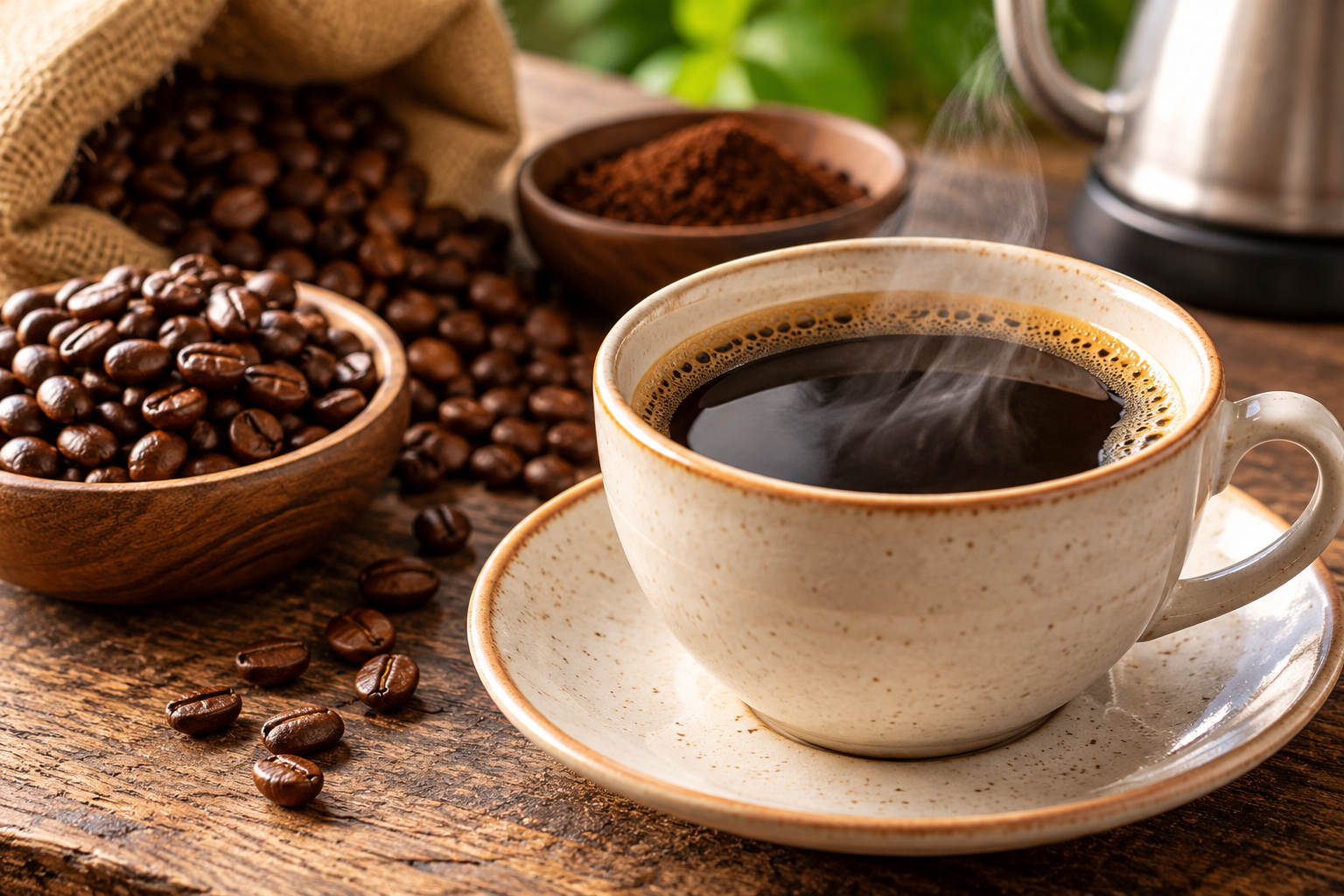
Have you ever brewed a fresh cup of coffee, taken a sip, and wondered why it tastes sharp, sour, or unpleasantly acidic?
Before you blame the coffee beans, take a closer look at how the coffee was brewed. Grind size, water temperature, brewing time, and the type of roast can all influence the final flavor.
As a chef, I look at coffee the same way I look at cooking: small changes in technique can make a noticeable difference to the result.
In this guide, we’ll explore why coffee tastes sour, how to distinguish natural acidity from a brewing problem, and what you can change to make your next cup taste more balanced.
Is Your Coffee Sour or Naturally Acidic?
Coffee naturally contains acids that contribute to its flavor. Depending on the beans and roast, you may notice bright, fruity notes similar to citrus, berries, or green apples. This pleasant acidity can make coffee taste lively and complex.
Unpleasant sourness is different. It may taste sharp, thin, or almost like an unripe fruit, with little sweetness or balance. This often happens when the coffee has not been extracted properly during brewing.
The key is to understand that acidity itself is not a problem. The goal is to balance acidity with sweetness, aroma, and body.
If your coffee tastes unpleasantly sour, don’t add sugar immediately. First, check how you brewed it. A small adjustment to your grind size, water temperature, or brewing time may improve the flavor considerably.
The way food smells also influences how we experience flavor. Learn more about the science of food aroma in our related article.
The Main Reasons Your Coffee Tastes Sour
If your coffee tastes unpleasantly sour, the problem often comes down to how the coffee was brewed. The good news is that you usually don’t need expensive equipment to improve the flavor.
Here are five common reasons your coffee may taste too sour.
1. The Coffee Is Under-Extracted
Under-extraction is one of the most common causes of sour-tasting coffee. It happens when water doesn’t extract enough flavor compounds from the ground coffee. The result can taste sharp, weak, and unbalanced.
2. The Grind Size Is Too Coarse
When coffee grounds are too coarse for your brewing method, water may pass through them too quickly. This can limit extraction and leave your cup tasting sour or watery.
3. The Water Is Too Cool
Water that is too cool may extract flavor more slowly, particularly when combined with a coarse grind or short brewing time. The coffee can end up lacking sweetness and balance.
4. The Brewing Time Is Too Short
If water contacts the coffee grounds for too little time, the brew may not develop enough flavor. This is especially noticeable with methods such as pour-over and French press when the brewing process is cut short.
5. The Beans Have a Naturally Bright Flavor
Some coffees, particularly light-roasted beans, naturally have pronounced fruity or citrus-like acidity. This isn’t necessarily a brewing mistake. However, if the flavor is harsh rather than refreshing, your brewing technique may need adjustment.
How to Fix Sour Coffee
If your coffee tastes unpleasantly sour, try changing one brewing variable at a time. This makes it easier to identify what is affecting the flavor.
1. Use a Finer Grind
If your coffee tastes sharp and weak, try grinding the beans a little finer. Smaller particles expose more surface area to the water, which can improve extraction. Make small adjustments to avoid making the coffee bitter.
2. Check Your Water Temperature
For most manual brewing methods, water around 195°F to 205°F (90°C to 96°C) is a useful starting point. If your water is too cool, extraction may be less effective. Very light roasts may benefit from temperatures near the upper end of this range.
3. Allow Enough Brewing Time
Avoid rushing the brewing process. Give the water enough contact time with the coffee grounds for the method you are using. The ideal time differs between espresso, pour-over, French press, and other brewing methods.
For more guidance on brewing methods and techniques, explore this coffee brewing guide from the National Coffee Association.
4. Adjust Your Coffee-to-Water Ratio
Coffee that tastes thin and sour may need a better balance between the amount of coffee and water. Measure both rather than guessing. If the brew is too weak, try using slightly more coffee while keeping your brewing method consistent.
5. Consider a Different Roast
If you have adjusted your brewing technique and still find the coffee too bright, try a medium roast. It may offer a more balanced combination of acidity, sweetness, and body for your taste.
Chef’s tip: Change only one variable at a time and taste the result. That way, you can learn which adjustment actually improves your cup.
Sour Coffee vs. Bitter Coffee: What’s the Difference?
Sour and bitter coffee are often confused, but they taste different and may need different brewing adjustments.
Sour coffee can taste sharp, tangy, or similar to an unripe fruit. When the cause is under-extraction, the coffee may also taste weak or lack sweetness.
Bitter coffee often has a harsh, lingering taste, sometimes resembling burnt toast or dark chocolate. Excessive extraction, very dark roasting, or other brewing factors can contribute to bitterness.
Here’s a simple comparison:
| Feature | Sour Coffee | Bitter Coffee |
|---|---|---|
| Common taste | Sharp, tangy, acidic | Harsh, dry, lingering |
| Possible brewing issue | Under-extraction | Over-extraction |
| First adjustment to try | Grind slightly finer. | Grind slightly coarser. |
| Other possible factors | Naturally bright beans | Dark roast or brewing method |
These are useful starting points, not absolute rules. Coffee flavor depends on the beans, roast, water, and brewing method.
Chef’s tip: Taste before adjusting. If the coffee is sour and weak, try improving extraction. If it is excessively bitter, experiment with a coarser grind or shorter brewing time.
Quick Guide: How to Rescue a Sour Cup of Coffee
Not sure what to change first? Use this troubleshooting guide to narrow down the cause.
| What You Notice | What Might Be Happening | What to Try |
|---|---|---|
| Sour and watery coffee | Under-extraction or too much water | Grind slightly finer or adjust the coffee-to-water ratio. |
| Sharp, acidic taste | Extraction may be too low. | Grind finer or extend brewing time slightly. |
| Sour espresso that runs too quickly | Grind may be too coarse. | Adjust the grinder finer and test again. |
| Fruity, citrus-like flavor | Natural acidity from the beans | Try a medium roast if you prefer a smoother cup. |
| Sour and bitter flavors together | Uneven extraction or multiple brewing issues | Check grind consistency, water distribution, and brewing time |
A Simple Rule to Remember
If your coffee tastes sour and weak, start by checking extraction. If it tastes fruity but balanced, the acidity may be part of the coffee’s natural character.
Make one adjustment at a time, then taste again. This is the easiest way to understand your coffee without changing your entire brewing routine.
How to Choose Coffee Beans for a Smoother Cup
Your brewing technique matters, but the coffee beans you choose also influence the final taste.
If you prefer a smooth, balanced cup rather than a bright, fruity one, these tips can help.
Choose a Medium Roast
Medium-roasted coffee is a useful starting point if you find light roasts too acidic. It can offer a balance of sweetness, aroma, and body without the intense roasted flavors sometimes associated with darker roasts.
Check the roast date.
Look for coffee with a clearly stated roast date and follow the roaster’s storage and brewing recommendations. Coffee can lose its freshness and aroma over time, particularly when exposed to oxygen, heat, light, and moisture.
Store Coffee Properly
Keep coffee beans in an airtight container in a cool, dry place away from direct sunlight. Avoid leaving the container open or storing it near heat and moisture.
Match Your Grind to Your Brewing Method
Different brewing methods need different grind sizes. Espresso generally requires a fine grind, while a French press uses a much coarser grind. Using the right starting point makes it easier to achieve balanced extraction.
Experiment With One Change at a Time
Every coffee behaves differently. If your cup tastes sour, start with a small grind adjustment. If that doesn’t help, check your water temperature and brewing time before changing the beans.
The goal isn’t to remove all acidity from coffee. It’s to find the combination of beans and brewing technique that produces the flavor you enjoy.
Final Thoughts
If your coffee tastes sour, you don’t always need different beans or expensive equipment. In many cases, a small adjustment to your grind size, water temperature, or brewing time can make a noticeable difference.
Remember that natural acidity is part of coffee’s flavor, especially in some light roasts. The goal is to find a balance of acidity, sweetness, and body that suits your taste.
As a chef, I believe the best results often come from understanding your ingredients and making small, controlled changes. Apply the same approach to coffee, and your next cup may taste much better.
Frequently Asked Questions
1. Why does my coffee taste sour all of a sudden?
A change in grind size, water temperature, brewing time, or coffee beans can affect extraction and flavor. Check whether your brewing routine or beans have changed recently.
2. Does sour coffee mean the coffee is bad?
Not necessarily. Coffee naturally contains acids, and some beans have bright, fruity flavors. Unpleasant sourness can indicate a brewing problem, but taste alone cannot tell you whether coffee is spoiled.
3. How do I make coffee less sour without adding sugar?
Try grinding the beans slightly finer, using appropriately hot water, or allowing more brewing time. Make one change at a time so you can identify what improves the flavor.
4. Which coffee roast tastes less acidic?
Medium and dark roasts often taste less bright than light roasts, although the result depends on the beans and roasting process. A medium roast is a good starting point if you prefer a balanced cup.
5. Is sour coffee the same as acidic coffee?
No. Acidity can create pleasant citrus-like or fruity notes, while unwanted sourness may taste sharp and unbalanced. The distinction depends on the coffee and how it was brewed.