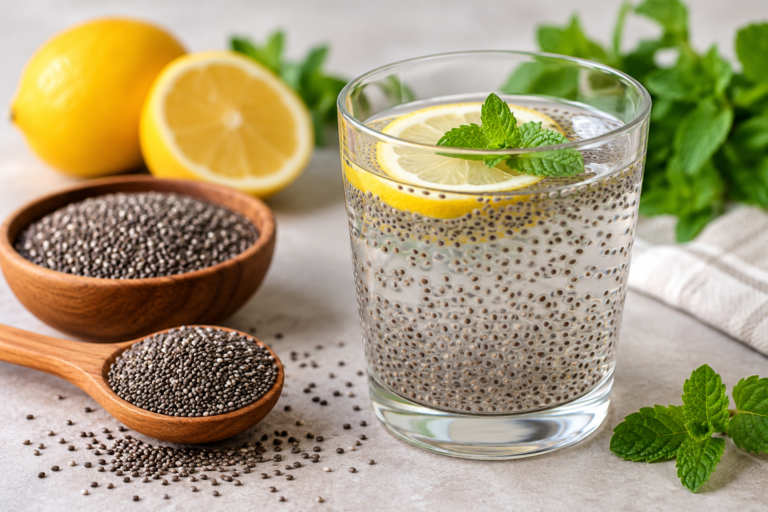

Electrolyte Drinks: Do You Really Need Them Every Day?
Walk into a supermarket today, and you’ll find electrolyte powders, hydration drinks, and wellness beverages promising to help you stay hydrated. Some are marketed for workouts, while others are presented as part of an everyday healthy lifestyle.
But here’s a question worth asking: Do you really need electrolytes every day, or is plain water enough?
Electrolytes such as sodium and potassium help your body regulate fluid balance and support normal muscle and nerve function. The interesting part is knowing when your body needs extra electrolytes and when you may simply be paying for something you don’t need.
Let’s look at the science behind electrolyte drinks, what they actually do, and how to decide whether they belong in your daily routine.
What Are Electrolytes, and Why Does Your Body Need Them?
Electrolytes are minerals that carry an electrical charge when dissolved in body fluids. You may have heard of sodium and potassium, but chloride, calcium, and magnesium also play important roles.
Think of them as part of your body’s internal balancing system. They help regulate fluid balance, support nerve signals, and allow muscles to contract normally.
You get electrolytes through everyday foods and drinks. Bananas provide potassium, dairy products contain calcium, and many foods supply sodium. Your body also loses water and electrolytes through sweat, although the amount varies with the temperature, activity level, and individual.
Here’s the important point: your body needs electrolytes, but that doesn’t automatically mean you need an electrolyte drink every day. For many healthy people, a balanced diet and ordinary fluids provide what they need.
When Do You Actually Need an Electrolyte Drink?
This is where the difference between hydration and marketing becomes important. Not every situation that makes you thirsty requires an electrolyte drink.
For most everyday activities, drinking water regularly and eating balanced meals is usually enough to replace normal fluid losses.
However, electrolyte drinks can be useful during prolonged, intense exercise, particularly when you sweat heavily. They may also help during extended activity in hot weather, when your body loses more fluid and sodium through sweat.
The situation changes during illness. Vomiting and diarrhea can cause significant losses of water and electrolytes. In these cases, a properly formulated oral rehydration solution may be more appropriate than an ordinary sports or wellness drink.
The key is to match the drink to the situation. A person exercising intensely for hours has different hydration needs from someone sitting at a desk or taking a short walk.
Electrolyte Drinks vs. Plain Water
Water is often enough for everyday hydration, but electrolyte drinks serve a different purpose. Understanding that difference can help you avoid buying products you may not need.
Plain water: A practical choice for daily hydration, including routine activities, office work, and most short exercise sessions.
Electrolyte drinks: These can help replace water and certain minerals lost through heavy sweating during prolonged physical activity. The amount of sodium, sugar, and other ingredients varies by product.
Here’s something many people overlook: drinking electrolytes when you don’t need extra amounts doesn’t automatically improve hydration or energy. More is not always better.
As a chef, I would look at the whole picture rather than one ingredient on the label. Your activity level, the conditions you’re exercising in, your meals, and the drink’s formulation all matter.
For most healthy adults, the sensible approach is simple: choose water for routine hydration and consider an electrolyte drink when your activity or fluid losses justify it.
Are Electrolyte Drinks Safe to Consume Every Day?
Electrolyte drinks are useful in the right circumstances, but drinking them every day isn’t automatically better for your health.
Some products contain added sugar, while others provide substantial amounts of sodium. If you drink them regularly without needing extra electrolytes, you may consume more of these ingredients than you intended.
Sodium deserves particular attention. Your body needs it to maintain fluid balance and support normal nerve and muscle function, but consistently consuming too much sodium can contribute to high blood pressure.
People with kidney disease or certain heart conditions may also need to be careful with electrolyte products because their bodies may have difficulty regulating minerals and fluid. If you have a medical condition or take medicines that affect fluid or electrolyte balance, ask your healthcare professional which products are appropriate for you.
The takeaway: check the nutrition label, consider why you’re drinking the product, and don’t assume that a drink marketed for hydration needs to be part of everyone’s daily routine.
How to Choose an Electrolyte Drink
Not all electrolyte drinks are formulated the same way. Some are designed for athletes during prolonged exercise, while others are marketed for everyday hydration. Reading the label helps you understand what you’re actually getting.
Check these four things before buying:
- Sodium: Look at how much sodium one serving provides, especially if you already consume a lot of salty foods.
- Sugar and carbohydrates: Some sports drinks contain added sugar, which can provide fuel during prolonged exercise but may be unnecessary for routine hydration.
- Serving size: Check whether the nutrition information applies to the entire bottle or just one serving. A bottle may contain multiple servings.
- Purpose: Consider whether you need a sports drink for extended exercise, an oral rehydration solution for illness-related fluid losses, or simply water for everyday hydration.
As a chef, I always recommend looking beyond the front-of-pack claims. Words such as hydration, performance, and wellness don’t tell you the full nutritional story.
A practical rule: choose a product based on your actual needs, not just its marketing claims.
Common Myths About Electrolyte Drinks
Electrolyte drinks are often promoted as an essential part of a healthy lifestyle, but some common assumptions deserve a closer look.
Myth 1: Everyone needs electrolytes every day.
Your body needs electrolytes daily, but most healthy people can obtain them through food and ordinary fluids without drinking a special electrolyte product.
Myth 2: Electrolyte drinks are always better than water.
Not necessarily. Water is generally sufficient for routine hydration. Electrolyte drinks are more useful when prolonged exercise, heavy sweating, or other fluid losses increase your need for replacement.
Myth 3: Sugar-free electrolyte drinks are always the best choice.
Not for every situation. During prolonged, intense exercise, carbohydrates can provide useful energy. For everyday hydration, however, extra sugar may not be necessary. The right choice depends on the activity and the product’s formulation.
Myth 4: All hydration drinks work the same way.
Sports drinks, electrolyte beverages, and oral rehydration solutions can have different compositions and purposes. An oral rehydration solution is specifically formulated to help replace fluids and electrolytes lost through conditions such as diarrhea. It should not automatically be treated as interchangeable with a typical sports drink.
The bottom line: understand what your body needs before choosing a drink. A popular product isn’t automatically the right product for every situation.
Final Takeaway
Electrolyte drinks can be useful, but they aren’t essential for everyone. For most healthy adults, water and a balanced diet are enough to support everyday hydration.
If you’re exercising intensely, sweating heavily in hot weather, or losing fluids because of illness, your hydration needs may be different. Choose a drink that suits the situation, and remember that oral rehydration solutions are designed for a different purpose from ordinary sports drinks.
My advice as a chef is simple: understand what you’re consuming, read the label, and don’t let wellness trends replace common sense. Good hydration starts with understanding your body’s needs, not buying another trending product.