Vinegar: Why Is This Ancient Ingredient So Popular Again?
Vinegar has been sitting in kitchens for centuries, but suddenly it feels like it is everywhere again. From salad dressings and pickles to sauces, marinades, drinks, and modern food products, this sharp, acidic ingredient is getting a fresh spotlight.
As a chef, I have always looked at vinegar as more than just something that makes food sour. A few drops can brighten a rich sauce, balance sweetness, cut through fat, and make an otherwise flat dish suddenly taste alive.
But why is vinegar becoming so popular again? And what actually happens to food when you add it?
In this guide, Chef RBS breaks down the food science behind vinegar, why acidity is so powerful, how different types of vinegar behave in cooking, and why this ancient ingredient still has a place in the modern kitchen.
Quick Answer: Why Is Vinegar So Popular Again?
Vinegar is popular again because it delivers something modern food consumers are looking for: big flavor from a simple ingredient. Its acidity can make food taste brighter, fresher, and more balanced without needing large amounts of salt, sugar, or fat.
There is also a growing interest in traditional ingredients, fermentation, bold flavors, and more complex taste experiences. Vinegar fits naturally into all of these trends.
From a chef’s perspective, its biggest strength is versatility. The same basic ingredient can transform a salad dressing, marinade, sauce, chutney, pickle, soup, or even a drink, depending on how it is used.
The interesting part is that vinegar does not simply make food sour. It changes how other flavors are perceived.
What Is Vinegar?
Many traditional vinegars begin with fermentation, a fascinating process that can transform simple ingredients into complex flavors. You can learn more about the process in our guide to fermentation food science.
The starting ingredient can vary widely. Vinegar may be made from grapes, apples, rice, malt, wine, or other carbohydrate-rich sources, which is why different vinegars can have very different aromas and flavors.
This is where vinegar gets interesting for cooking. Acetic acid provides the acidity, but the original ingredients and production method contribute additional flavors. A good balsamic vinegar, rice vinegar, apple cider vinegar, and malt vinegar should not taste interchangeable.
For a chef, vinegar is therefore not simply a souring agent. It is a flavor-balancing tool that can add brightness, complexity, and contrast to a dish.
Why Does Vinegar Taste So Powerful?
The power of vinegar comes mainly from acidity. Acetic acid stimulates the sour taste receptors on your tongue, creating a sharp sensation that can be much more noticeable than many other ingredients.
But acidity does more than create sourness. It can change the way sweetness, saltiness, bitterness, and savory flavors are perceived. This is why a small amount of vinegar can make a dish taste more balanced without dramatically changing its main flavor.
Think about a rich curry, creamy sauce, or fatty fried food. Without enough contrast, these foods can taste heavy. A carefully measured splash of vinegar can provide that missing brightness and make the overall dish feel lighter on the palate.
That is one reason professional chefs use vinegar carefully. The goal is rarely to make a dish taste like vinegar. The goal is to make the other ingredients taste better.
Why Does Vinegar Balance Rich and Sweet Foods?
One of vinegar’s most useful qualities in cooking is its ability to cut through richness. Foods high in fat can coat the palate and sometimes feel heavy, while acidity provides a sharp contrast that makes each bite feel more lively.
This is why chefs often finish dishes such as creamy sauces, fried foods, roasted vegetables, and rich meats with a small amount of vinegar or another acidic ingredient.
Vinegar also works surprisingly well with sweetness. A sweet sauce can become cloying when there is no contrast, but a touch of acidity can bring the flavors back into balance.
The key is restraint. Too little acidity may go unnoticed, while too much can overpower the dish. Good cooking is often about finding that small point where acidity supports the food rather than announcing itself.
What Are the Main Types of Vinegar?
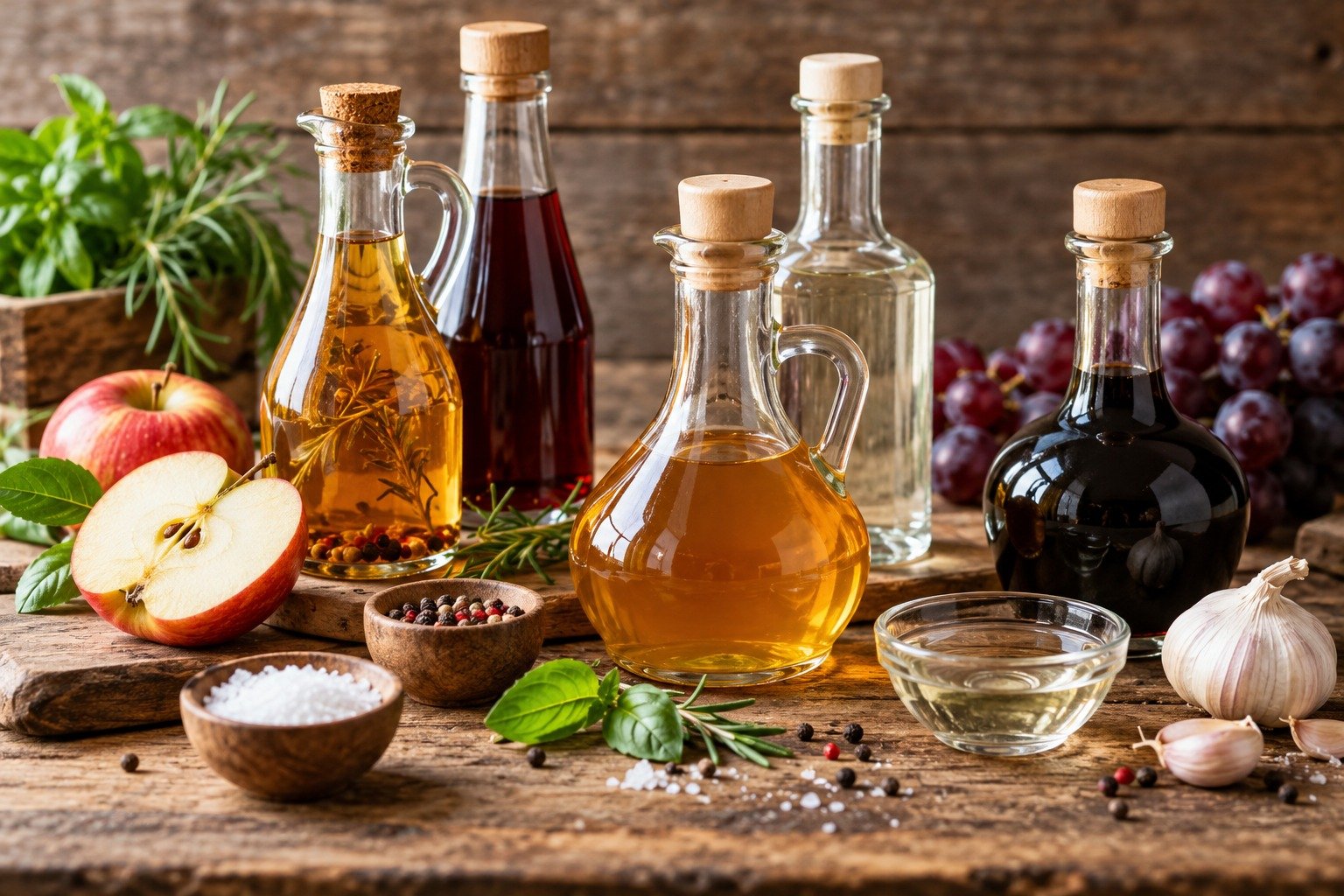
Not all vinegar tastes the same. The source ingredient, production method, aging, and concentration can change its aroma, acidity, sweetness, and overall character.
Here are some of the most useful types to know:
- Apple cider vinegar: Fruity, sharp, and slightly mellow. Common in dressings, marinades, sauces, and beverages.
- White vinegar: Clean, strong acidity with very little flavor beyond sourness. Useful for pickling, sauces, and food preparation.
- Rice vinegar: Generally milder and softer, making it useful in Asian-inspired dressings, sauces, sushi rice, and marinades.
- Red or white wine vinegar: More aromatic than plain white vinegar and excellent for vinaigrettes, sauces, and Mediterranean-style cooking.
- Malt vinegar: Made from malted grains and known for its deeper, malty character. It is especially familiar with fried foods.
- Balsamic vinegar: Traditionally associated with grapes and known for its complex combination of acidity, sweetness, and aroma.
As a chef, I don’t choose vinegar simply by asking which one is “best.” I ask what the dish needs. A delicate salad may need a gentle vinegar, while a rich fried or grilled dish can handle something much more assertive.
What Happens When You Add Vinegar to Food?
Vinegar can change a dish surprisingly quickly because acidity interacts with other ingredients and affects how we perceive flavor.
When added to a sauce, dressing, soup, or marinade, vinegar can brighten muted flavors and create contrast. It can also help balance sweetness and richness, which is why acidic ingredients are often added near the end of cooking.
Vinegar can also affect food beyond flavor. In marinades, acids can interact with proteins and change their texture, while in vegetables and pickling, acidity becomes an important part of preservation and food safety.
One thing I always keep in mind in the kitchen is that vinegar is easier to add than to remove. Start with a small amount, taste, and build the acidity gradually. That gives you much more control over the final dish.
Vinegar in the Professional Kitchen
In a professional kitchen, vinegar is one of those ingredients that can quietly improve a dish without taking center stage.
A chef may use it in a vinaigrette, marinade, sauce, chutney, pickle, soup, or finishing sauce. The quantity might be small, but the effect can be significant because acidity helps create contrast and balance.
One of my favorite uses is finishing. If a sauce tastes rich but slightly flat, a few drops of the right vinegar can bring the flavors forward. The same principle works with roasted vegetables, grilled foods, lentils, and creamy preparations.
The trick is choosing the right vinegar for the job. Strong white vinegar can overwhelm a delicate preparation, while a milder rice vinegar or wine vinegar may integrate more naturally.
In professional cooking, vinegar is rarely about making food sour. It is about making the whole dish taste more complete.
Can Vinegar Be Healthy?
Vinegar can be part of a healthy diet, but it is important to separate culinary value from health claims.
In everyday cooking, vinegar can add strong flavor with relatively little energy, which makes it useful in dressings, sauces, vegetables, and marinades. But that does not automatically make every vinegar product a health food.
The type of vinegar, the amount consumed, and the overall food it is used with matter. A vinegar-based dressing, for example, can be very different nutritionally from a sweetened bottled sauce marketed around vinegar.
There is also growing interest in drinking vinegar and concentrated vinegar beverages. As a chef, I would be cautious about treating these as a shortcut to better health. Vinegar is an excellent culinary ingredient, but it should not replace a balanced diet or be given a health halo simply because it is natural or fermented.
There is growing interest in fermented foods and their potential role in the diet, but fermentation does not automatically make every product a health food. For more background on fermented vegetables and the science behind the process, see the USDA’s information on fermentation and pickling.
Can Vinegar Be Used in Drinks?
Vinegar is moving beyond traditional cooking and appearing in more modern drinks, including flavored vinegar beverages, drinking tonics, and mocktail-style combinations.
The reason it works is the same principle we see in food: acidity creates contrast. When balanced with fruit, herbs, spices, carbonation, or a little sweetness, vinegar can add complexity rather than simply making a drink sour.
But not every vinegar is designed to be consumed this way. A beverage made specifically with food-grade vinegar and balanced ingredients is very different from drinking concentrated vinegar straight.
From a chef’s perspective, I prefer to think of vinegar in drinks as a flavor ingredient, not a wellness shortcut. When properly balanced, its sharpness can make a simple drink much more interesting.
Is Drinking Vinegar Safe?
For most people, vinegar is best treated as a food ingredient rather than a concentrated health drink. Using normal culinary amounts in dressings, sauces, marinades, and meals is very different from regularly consuming undiluted vinegar.
Straight vinegar is highly acidic and can irritate the mouth, throat, and digestive system. Frequent exposure may also affect tooth enamel.
If you enjoy vinegar-based drinks, choose products intended for beverage use and follow the preparation or dilution instructions rather than drinking concentrated vinegar directly.
Chef RBS’s approach is simple: use vinegar to make food more interesting, not as a substitute for good nutrition.
What Should You Look for When Buying Vinegar?
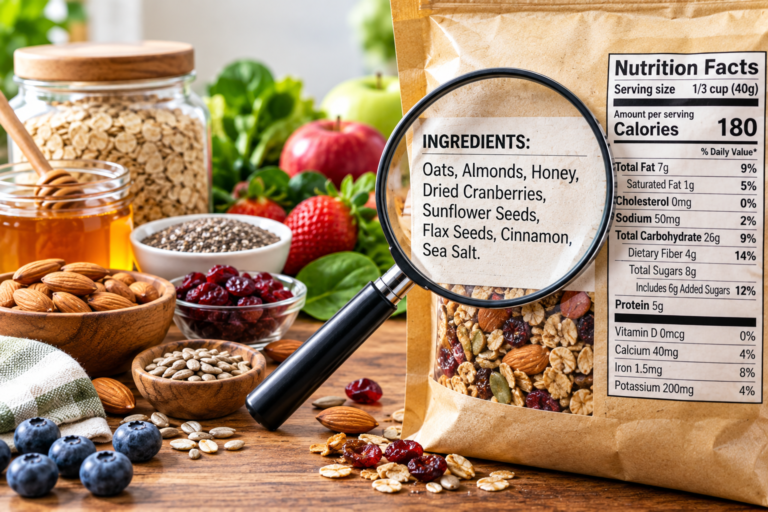
When choosing vinegar, don’t buy based only on the name on the front label. Read the ingredient list and think about how you actually plan to use it.
For everyday cooking, look for:
- A clear, recognizable ingredient list
- The vinegar type clearly identified
- No unnecessary added sugar when you want a straightforward cooking vinegar
- A flavor profile that suits the dish, rather than simply choosing the strongest vinegar
- Appropriate labeling if you plan to use it for pickling or preservation
For specialty vinegars, price can vary dramatically because of production methods, aging, origin, and ingredients. A more expensive bottle is not automatically better for every recipe.
In my kitchen, I usually keep more than one style available. A versatile vinegar for everyday cooking and a more distinctive vinegar for finishing gives you much more control over flavor.
Chef RBS Verdict: Is Vinegar Really Making a Comeback?
Yes, but I don’t think vinegar ever really left the kitchen.
What has changed is how people are using it. Vinegar is moving beyond basic pickling and salad dressings into sauces, marinades, snacks, beverages, and more creative flavor combinations. Its ability to deliver acidity and intensity in very small amounts makes it especially useful as people look for bold, layered flavors.
As a chef, I see vinegar as one of the simplest ways to make food taste more balanced. When a dish feels too rich, too sweet, or simply flat, acidity can often be the missing piece.
The important thing is not to chase vinegar because it is trending. Learn how different vinegars behave, choose the right one for the dish, and use enough to create balance without overwhelming the food.
My verdict: Vinegar is not just having a comeback. It is a classic ingredient being rediscovered through modern food culture.
FAQ: Vinegar
Is vinegar good for everyday cooking?
Yes. Vinegar is a versatile ingredient that can add acidity, brightness, and balance to sauces, dressings, marinades, vegetables, and many other dishes. The key is choosing a type that matches the food.
What is the difference between white vinegar and apple cider vinegar?
White vinegar has a clean, sharp acidity with relatively little flavor, while apple cider vinegar has a more noticeable fruity character. Both can be useful, but they create very different flavor profiles.
Why does vinegar make rich food taste better?
Acidity creates contrast against richness and fat. A small amount of vinegar can make a heavy or creamy dish taste brighter and more balanced without changing its basic character.
Can you drink vinegar directly?
It is better not to drink concentrated vinegar. Its high acidity can irritate the mouth and throat and may contribute to dental enamel erosion with frequent exposure. If using vinegar in a beverage, it should be prepared appropriately and consumed as a food or drink ingredient rather than treated as a concentrated health remedy.
Is fermented vinegar the same as pickled food?
No. Vinegar itself can be produced through microbial fermentation, while pickling is a food-preservation process that can use vinegar as the acidic medium. The two are related, but they are not the same process.
Does expensive vinegar always taste better?
Not necessarily. Price can reflect ingredients, production methods, origin, and aging, but the “best” vinegar depends on the dish. A simple vinegar can sometimes be a better choice than an expensive specialty vinegar for everyday cooking.
Final Takeaway
Vinegar may be an ancient ingredient, but its role in modern food is anything but outdated.
Its real strength is simple: acidity creates balance. The right vinegar can brighten rich food, sharpen sauces, balance sweetness, and turn ordinary ingredients into something much more interesting.
You don’t need a lot. In good cooking, a few drops can sometimes make the difference between a dish that tastes flat and one that tastes complete.
Vinegar isn’t just about sourness. It’s about balance, contrast, and flavor.