Why Does Pasta Water Turn Cloudy? The Food Science Explained
Have you ever drained a pot of pasta and noticed that the cooking water looks cloudy, almost as if something has dissolved into it?
That cloudy water is not a sign that something has gone wrong. In most cases, it is a useful clue about what is happening to the pasta while it cooks.
As a chef, I actually pay attention to pasta water because it tells me something about the cooking process. Water, heat, pasta starch and the movement of the cooking liquid all work together, and the result is more important than just appearance.
So, why does pasta water turn cloudy? The simple answer is starch. But understanding how that starch moves from the pasta into the water can help you cook pasta more consistently and even make better sauces.
What Is Actually Making Pasta Water Cloudy?
The main reason pasta water becomes cloudy is that starch from the pasta moves into the surrounding water during cooking. Pasta is made primarily from wheat flour and water, and wheat flour contains starch. When dry pasta enters hot water, that starch begins to interact with water and heat.
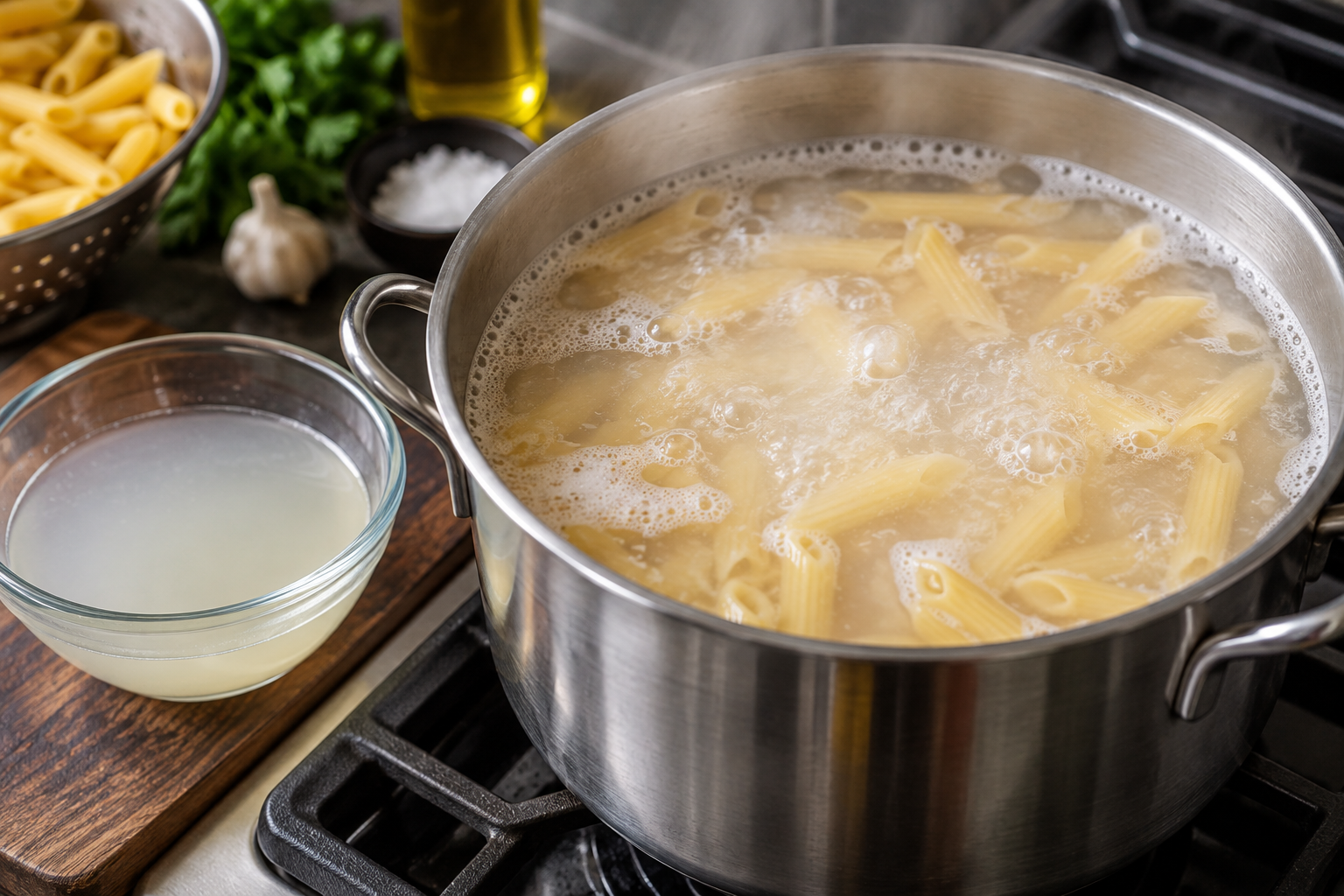
As the pasta hydrates and softens, some starch is released from its surface into the cooking water. The tiny starch particles remain suspended in the liquid, scattering light and making the water look white or cloudy.
The amount of cloudiness can vary. Pasta shape, surface texture, how much water you use, how vigorously the pasta moves and how long it cooks can all influence how much starch ends up in the water.
So cloudy pasta water is usually not something to throw away without thinking. From a chef’s perspective, that starchy liquid can actually become a useful ingredient, particularly when you’re finishing pasta with a sauce.
What Happens to Pasta Starch During Cooking?
When dry pasta enters boiling water, it begins absorbing water and swelling. Heat changes the structure of the starch within the pasta, allowing it to absorb and hold more water as the pasta softens.
At the same time, the outer surface of the pasta is constantly in contact with the cooking liquid. Some of the starch from that surface disperses into the water, especially as the pasta becomes more hydrated and the cooking process continues.
This is why the cooking water can become progressively cloudier as the pasta cooks. The water is not simply becoming dirty. It is carrying small amounts of dissolved and suspended starch released during cooking.
The surface of the pasta matters too. Pasta with a rougher surface can release and hold more starch on its exterior, while vigorous stirring can also disturb the surface and encourage more material to move into the water.
That starchy water is one of the most useful byproducts of cooking pasta. Instead of automatically draining every drop, professional cooks often reserve some of it for finishing the sauce.
Why Some Pasta Water Gets Much Cloudier Than Others
Not every pot of pasta produces the same looking cooking water. The difference can come from several factors, and this is where cooking technique starts to matter.
The pasta itself matters. Different pasta shapes and surfaces can release different amounts of starch. A rough, porous surface can behave differently from a very smooth one.
The amount of water matters too. If you cook pasta in a relatively small volume of water, the starch released from the pasta becomes more concentrated. The same amount of starch dispersed through a larger volume of water may look much less cloudy.
Movement also plays a role. Vigorous stirring and agitation can disturb the pasta surface and help more starch enter the cooking liquid. This doesn’t mean you should avoid stirring. Gentle, regular movement is useful for preventing pasta from sticking.
Cooking time changes the water as well. As pasta continues to hydrate and cook, the relationship between the pasta surface and the cooking water changes, so the appearance of the liquid can change throughout the cooking process.
So when you see very cloudy pasta water, don’t immediately assume it means poor-quality pasta or a cooking mistake. It is usually the result of starch interacting with water, heat and movement.
Why Chefs Save Pasta Water for the Sauce
This is where cloudy pasta water becomes much more interesting. The same starch that makes the water look cloudy can help a sauce cling to pasta and develop a smoother texture.
When you combine a small amount of starchy pasta water with a sauce and toss it vigorously with the pasta, the starch helps the water and fat based components come together more effectively. This can create a sauce that feels more cohesive rather than simply sitting underneath the pasta.
In a professional kitchen, I don’t think of pasta water as waste. I think of it as part of the cooking process. A little reserved water can be especially useful when a sauce becomes too thick, when you are finishing pasta in the pan, or when you want to bring the sauce and pasta together more naturally.
The key is to add it gradually. You don’t want to flood the sauce with water. Add a small amount, toss the pasta over heat, observe the consistency and add more only if necessary.
The goal is not simply to make the sauce thinner. It is to use the starchy water to help create the right texture.
Does More Cloudy Pasta Water Mean Better Pasta?
Not necessarily. A very cloudy pot of water does not automatically mean the pasta is better or that the sauce will be better. The appearance of the water is influenced by several variables, including the type of pasta, the amount of cooking water, surface texture and agitation.
What matters more is how you use the starch that is available. If you are making a sauce that benefits from a little extra body, reserving some cooking water can be useful. But adding too much can make a sauce loose, starchy or heavier than intended.
I prefer to judge pasta water by how it performs rather than how cloudy it looks. Reserve some before draining, then add it little by little while finishing the pasta in the sauce. Watch how the sauce changes as you toss it.
Good pasta cooking is about control, not chasing the cloudiest water possible.
Does the Type of Pasta Change the Cooking Water?
Yes. Different pasta can produce noticeably different cooking water because pasta is not all made or finished in exactly the same way.
The flour, milling, shape, surface texture and manufacturing process can influence how the pasta interacts with water during cooking. Some pasta has a relatively smooth surface, while other pasta has a more textured exterior that can release and retain more surface starch.
Fresh pasta can behave differently from dried pasta as well. Fresh pasta generally contains more moisture before cooking, so its cooking characteristics are different from those of a dry pasta that has been rehydrated in the pot.
This is one reason I don’t rely on a single rule for every pasta dish. The cooking water, the pasta and the sauce all need to be considered together.
For a chef, the useful question isn’t “How cloudy should my pasta water be?” It is “What is this particular pasta giving me, and how can I use it?”
Why Pasta Water Can Help a Sauce Become Creamy
A good pasta sauce does not always need cream to feel creamy. Sometimes the texture comes from how the pasta, sauce, cooking water and fat are brought together.
Starchy pasta water can help create a more cohesive sauce when it is combined with ingredients such as olive oil, butter, cheese or a concentrated cooking sauce. As the pasta is tossed, the starch helps the liquid and fat interact, while the pasta itself contributes additional starch to the mixture.
This technique is particularly useful for dishes where you want the sauce to coat the pasta rather than collect at the bottom of the plate. The result should feel smooth and integrated, not watery.
In a professional kitchen, this final tossing stage is important. I usually treat it as the point where the pasta and sauce become one dish rather than two separate components.
The important detail is movement. Simply pouring pasta water into a sauce and leaving it alone won’t create the same result. Tossing or stirring helps distribute the starch, water, fat and sauce evenly.
Does Salt Make Pasta Water Cloudy?
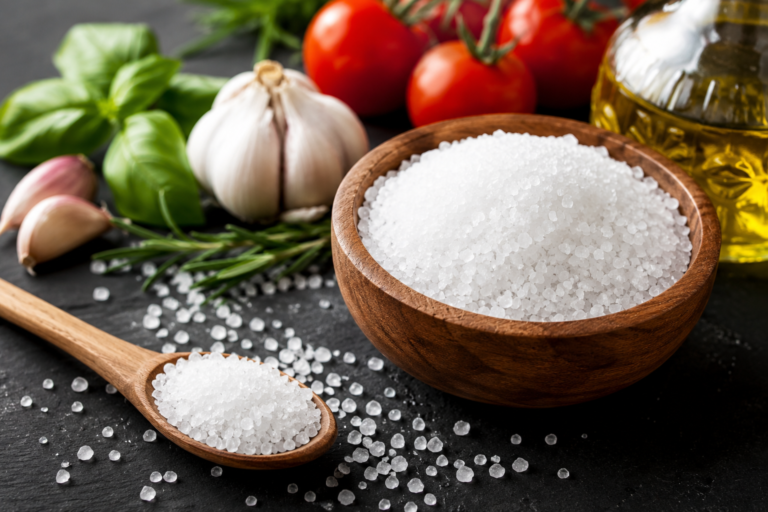
Salt is important for seasoning the pasta, but it is not the main reason pasta water becomes cloudy. The cloudy appearance primarily comes from starch released from the pasta into the cooking liquid.
Salt dissolves in water and generally does not make the water visibly cloudy. Its main role is to season the pasta as it cooks, because the pasta absorbs some of the cooking water during hydration.
From a chef’s perspective, seasoning the cooking water is part of building flavour from the beginning rather than trying to correct everything in the finished sauce. However, the amount of salt should still be appropriate for the dish and the quantity of water being used.
So if your pasta water looks white or cloudy, don’t blame the salt. Look at the pasta and the starch. That is where the interesting chemistry is happening.
A Simple Pasta Water Experiment You Can Try at Home
If you want to see the effect of starch for yourself, try a simple comparison the next time you cook pasta.
Cook the same type of pasta in two separate pots. Use a generous amount of water in one pot and a smaller amount in the other, while keeping the pasta quantity and cooking time as similar as practical. Observe the appearance of the water as the pasta cooks.
The smaller volume of water will generally show a higher concentration of released starch, so it may appear noticeably cloudier. This doesn’t mean that one method is automatically better. It simply demonstrates how the amount of water changes the concentration of starch in the cooking liquid.
Before draining, reserve a small cup from each pot. Let them cool slightly and compare their appearance and texture. You can then use small amounts of each to adjust a simple pasta sauce and observe how the sauce changes.
This is the kind of kitchen experiment I find more useful than simply memorising cooking rules. When you can see and taste what starch is doing, the technique starts to make sense.
How Much Pasta Water Should You Reserve?
I recommend keeping more pasta water than you think you will need. You may only use a few tablespoons, but having extra gives you control when finishing the sauce.
The exact amount depends on the dish. A thick sauce may need a little more liquid, while a lighter sauce may only need a small splash. Start with a modest amount and add it gradually while tossing the pasta.
One mistake I often see is adding a large amount of pasta water at once. That can dilute the sauce and make it difficult to recover the desired consistency. Small additions give you much better control.
If you are cooking several portions, reserve enough water before draining so you can adjust the sauce throughout the finishing process. Once the pasta is drained, it is much harder to recreate that starchy cooking liquid.
The Chef’s Rule: Taste the Pasta Water Before You Drain It
One of my simplest habits in the kitchen is to taste the cooking water before I drain the pasta. It gives you useful information about seasoning and lets you understand what the pasta has contributed to the liquid.
The water should not be treated as a finished sauce, but tasting it helps you judge whether the pasta has been properly seasoned and whether the cooking liquid is suitable for finishing the dish.
I also look at the pasta itself. It should have the texture you want for the final dish because pasta continues to change slightly when it is combined with a hot sauce. If you cook it too far in the water and then spend several minutes finishing it in the pan, you can easily end up with softer pasta than intended.
The professional approach is to think one step ahead. Don’t just ask whether the pasta is ready to drain. Ask what will happen to it during the final stage with the sauce.
Frequently Asked Questions
Why does pasta water turn cloudy?
Pasta water turns cloudy mainly because starch from the pasta moves into the cooking water. The tiny starch particles remain suspended in the liquid and scatter light, giving the water its white or cloudy appearance.
Is cloudy pasta water good?
Yes. Cloudy pasta water is generally a sign that starch has entered the cooking liquid. That starchy water can be useful for adjusting sauces and helping them coat the pasta more smoothly.
Why do chefs save pasta water?
Chefs save pasta water because its starch can help bring pasta and sauce together. When added gradually while the pasta is tossed with the sauce, it can contribute body and help create a more cohesive texture.
Does adding salt make pasta water cloudy?
No. Salt is not the main reason pasta water becomes cloudy. The cloudy appearance primarily comes from starch released by the pasta.
Should I use a lot of water when cooking pasta?
The amount of water affects the concentration of starch in the cooking liquid. A smaller volume can become more concentrated with starch, while a larger volume dilutes it. The best approach depends on the pasta and the dish you are preparing.
How much pasta water should I save?
There is no single required amount. I recommend reserving at least a cup before draining, even if you ultimately use only a few tablespoons. Having extra gives you more control when adjusting the sauce.
Can pasta water make sauce creamy without cream?
It can help create a smoother, more cohesive texture when combined with sauce and ingredients such as butter, olive oil or cheese. The result comes from how the starchy water, fat and sauce are combined, rather than from cream itself.