Tahitian Vanilla Flavor: The Food Science Behind Its Unique Taste
Tahitian vanilla flavor is known for its distinctive floral aroma, fruity notes, and delicate sweetness. For chefs, understanding this unique vanilla variety helps create more interesting desserts, creams, custards, and baked goods.
Vanilla usually makes us think of ice cream, cookies, cakes, and that familiar sweet aroma coming from the oven. But not every vanilla tastes the same.
Meet Tahitian vanilla, a prized variety known for its distinctive floral, fruity, and sometimes anise-like aroma. Instead of delivering only the familiar warm sweetness we associate with vanilla, it can bring a more delicate, perfumed character to a dessert.
For chefs, that difference opens up exciting possibilities. For curious home cooks, it raises a simple question: Is Tahitian vanilla really different, or is it just another expensive ingredient?
The answer lies in its aroma chemistry, how the beans are processed, and how we use them in the kitchen.
What Is Tahitian Vanilla?
Tahitian vanilla comes from Vanilla × tahitensis, a vanilla type associated with French Polynesia. It differs from the more familiar Vanilla planifolia, commonly associated with Madagascar and often sold as Madagascar or Bourbon vanilla.
Both can produce beautiful vanilla flavors, but their aroma profiles are not identical.
Tahitian vanilla is often described as floral, fruity, sweet, and gently spicy. Depending on the beans and their origin, you may notice impressions of flowers, ripe fruit, anise, or soft licorice-like notes.
Madagascar vanilla is generally associated with a more familiar, rounded vanilla character, often described as creamy, rich, and warm.
These are useful sensory descriptions, not guarantees. Growing conditions, cultivar, curing, storage, and extraction all influence the final flavor.
What Does Tahitian Vanilla Actually Taste Like?
Imagine vanilla with a little more aromatic personality.
Rather than tasting only like sweet cream or baked cookies, Tahitian vanilla may remind you of:
- Flowers: a delicate, perfumed aroma.
- Ripe fruit: soft fruity notes that work beautifully with berries and tropical fruits.
- Anise: a subtle sweet-spice impression in some samples.
- Classic vanilla: the familiar sweet aroma remains part of the experience.
The balance changes from one batch to another, so not every Tahitian vanilla bean will deliver the same combination.
One important chef’s note: vanilla beans are aromatic ingredients, not sweeteners. They can make a dessert smell and taste more complex, but they do not automatically make it sweeter. The sugar level, fat, acidity, temperature, and other ingredients still shape the overall experience.
The Food Science Behind Tahitian Vanilla’s Unique Flavor
Why can two vanilla varieties smell so different when both are called vanilla?
The answer is found in their volatile aroma compounds. These are molecules that evaporate into the air and reach our noses, helping create the aromas we recognize in food.
Researchers studying Tahitian vanilla have identified a complex mixture of odor-active compounds rather than one single molecule responsible for its character.
A 2012 study in Food Research International identified numerous aroma-active components in Tahitian vanilla extracts. Anisaldehyde and guaiacol were among the key compounds highlighted by the researchers.
A separate study published in 2013 identified vanillin, anisaldehyde, anisyl alcohol, and anisyl acetate among the important odorants in cured Tahitian vanilla beans.
What does that mean in the kitchen?
Vanillin is important, but vanilla flavor is much bigger than vanillin alone. The combination of aromatic compounds helps explain why one variety can smell more floral or spicy while another has a more familiar, warm vanilla profile.
This is also why a good vanilla ingredient cannot be judged by its name alone. Variety, processing, freshness, and the complete aroma profile matter.
Tahitian Vanilla vs. Madagascar Vanilla
Neither variety is automatically better. The better choice depends on the dish and the flavor you want to create.
| Feature | Tahitian vanilla | Madagascar vanilla |
|---|---|---|
| Botanical type | Vanilla × tahitensis | Vanilla planifolia |
| Common aroma descriptions | Floral, fruity, sometimes anise-like | Rich, warm, familiar vanilla |
| Flavor character | Often more delicate and perfumed | Often rounded and classic |
| Good culinary matches | Fruit desserts, delicate creams, chilled desserts | Cookies, cakes, custards, and many everyday bakes |
| Best reason to choose it | You want a distinctive aromatic accent. | You want a versatile, familiar vanilla character. |
These are general tendencies rather than strict rules. Either variety can work across many recipes, and the actual bean quality matters.
Which vanilla is better for baking?
Madagascar vanilla is a dependable all-purpose choice for cookies, cakes, brownies, and custards. Its familiar profile suits recipes where you want a recognizable vanilla backbone.
Tahitian vanilla can also be used in baking. However, if you are paying extra for its distinctive floral and fruity notes, consider whether the recipe will allow those characteristics to come through.
For a simple butter cookie, the difference may be subtle. In a delicate cream dessert with fresh fruit, the character of the vanilla may be easier to appreciate.
7 Ways Chefs Can Use Tahitian Vanilla
Tahitian vanilla is especially interesting when vanilla has room to be noticed rather than disappearing behind stronger flavors.
1. Panna cotta
A softly set cream dessert gives vanilla an excellent stage. Infuse the cream gently, strain if needed, and chill until set.
Chef tip: Pair it with fresh berries or a lightly tart fruit compote to balance the richness.
2. Vanilla ice cream
Cold desserts can showcase the aroma of vanilla, although cold temperatures also suppress some flavor perception.
Chef tip: Taste the finished ice cream after it has softened slightly, not only when it is extremely hard and frozen.
3. Whipped cream
Freshly whipped cream with vanilla can transform berries, pancakes, waffles, and simple desserts.
Chef tip: Add vanilla before the cream reaches its final whipped texture so it distributes evenly.
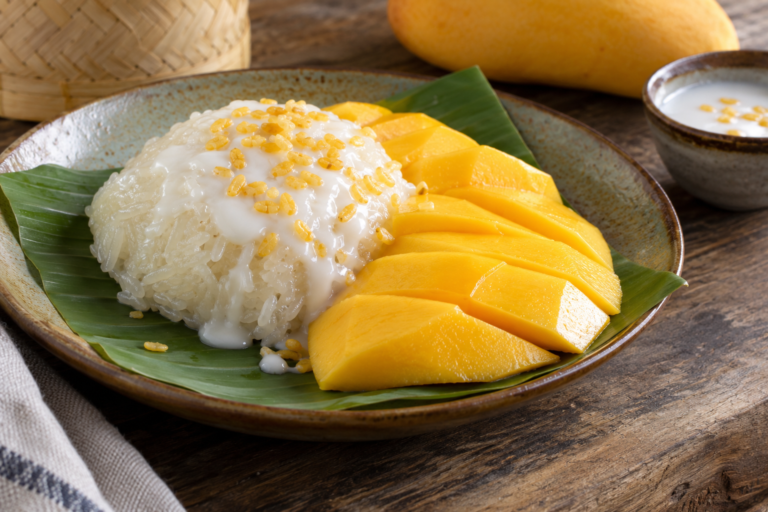
4. Mango and passion fruit desserts
Tahitian vanilla’s fruity and floral character can complement tropical fruits without needing a heavy sauce.
Chef tip: Balance ripe fruit with acidity. A squeeze of lime can make the whole dessert feel brighter.
5. Custards and pastry creams
A classic pastry application gives the vanilla time to infuse into the dairy.
Chef tip: Warm the milk or cream gently with the split bean, then allow a short infusion before proceeding with the recipe. Avoid prolonged, aggressive heating when you want to preserve delicate aromas.
6. Cheesecake and chilled mousse
Creamy desserts can carry vanilla’s aroma without the stronger toasted notes created by baking.
Chef tip: Use a restrained hand with chocolate, coffee, or powerful spices if the aim is to showcase the vanilla itself.
7. Coffee, milk, and specialty drinks
Vanilla can add aromatic depth to milk-based drinks, iced coffee, and dessert-style beverages.
Chef tip: Infuse vanilla into a small amount of warm milk or cream first, then blend it into the drink. This helps distribute the flavor evenly.
How to Get More Flavor From a Vanilla Bean
A costly ingredient deserves careful handling. Here is a practical method for using a whole Tahitian vanilla bean.
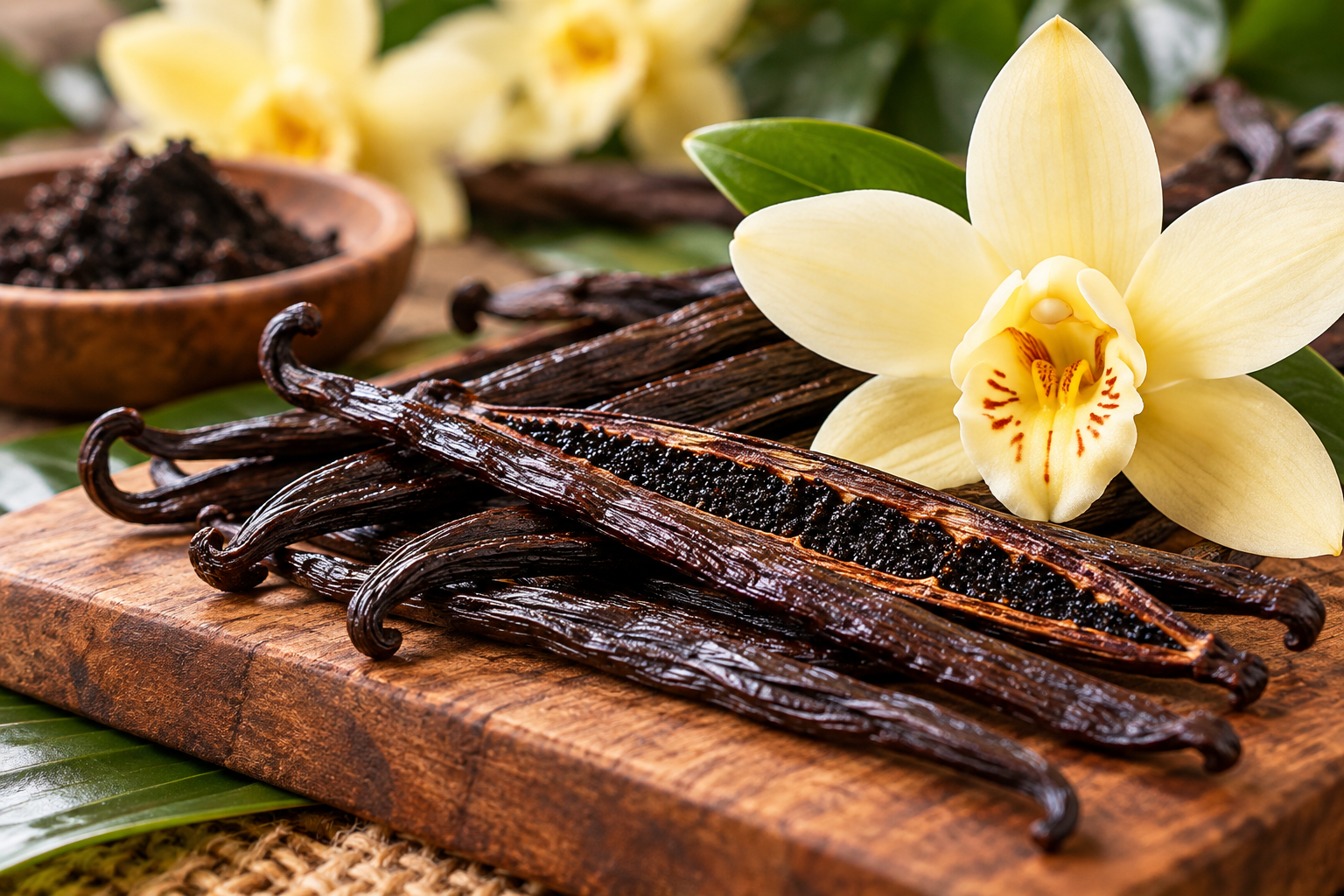
- Inspect the bean. A good-quality cured bean is generally pliable and aromatic. Avoid beans that smell musty or show signs of spoilage.
- Split it lengthwise. Use a small knife to expose the seeds inside.
- Scrape out the seeds. Add both the seeds and the pod to the recipe when appropriate.
- Infuse gently. Warm dairy or another suitable liquid with the pod. Avoid a hard boil unless the recipe specifically requires it.
- Taste before adding more. The flavor develops differently depending on the ingredient, concentration, and infusion time.
- Reuse the pod sensibly. A clean, spent pod can sometimes be used to flavor sugar or another suitable ingredient. Dry it thoroughly before storing it in sugar, and discard it if it develops mold or an off smell.
For delicate preparations, start with a modest amount and adjust to taste. There is no universal dosage that works for every bean and every recipe.
Does Cooking Destroy Tahitian Vanilla’s Flavor?
Not entirely. But heat can change the aroma you experience.
Vanilla flavor comes from a mixture of compounds with different properties. Some are more volatile than others, meaning they can evaporate more readily during heating. Time, temperature, the recipe’s fat and water content, and when the vanilla is added can all influence the final result.
This is why chefs often use different methods for different dishes:
- For chilled desserts: Infuse the ingredient carefully and preserve the aroma during preparation.
- For custards: Warm the dairy with the bean to extract flavor, then cook the custard according to the recipe.
- For baked goods: Expect the final aroma to differ from the raw batter because the product undergoes heating and moisture loss.
- For sauces and creams: Consider adding some vanilla toward the end when appropriate, especially if you want a more noticeable fresh aroma.
Avoid absolute claims that Tahitian vanilla cannot be baked or that a specific temperature destroys all its floral notes. The outcome depends on the full cooking process, not one temperature alone.
Is Tahitian Vanilla Worth the Higher Price?
It can be, but it depends on what you are making.
If you bake large batches of chocolate brownies or strongly spiced cookies, a good all-purpose vanilla may provide better value. The other ingredients can dominate the more delicate aromatic differences.
If you are creating a signature panna cotta, fruit tart, vanilla-forward ice cream, or a premium dessert where the aroma is central to the experience, Tahitian vanilla may justify the extra expense.
Think of it as a specialist ingredient rather than an automatic upgrade for every recipe.
Before buying, compare the price per gram, the bean’s condition, the aroma, the origin information, and the supplier’s storage practices. A high price by itself does not prove superior quality.
How to Choose and Store Tahitian Vanilla
When buying whole beans, look for a reliable supplier who identifies the variety and provides clear product information.
A flexible, aromatic bean is generally preferable to one that is extremely brittle and dry, although appearance alone cannot confirm authenticity or quality.
For storage:
- Keep unused beans in an airtight container.
- Store them in a cool, dark place away from direct sunlight.
- Avoid unnecessary exposure to air and strong odors.
- Inspect periodically for mold or unusual smells.
- Do not refrigerate or freeze beans routinely unless the supplier provides appropriate guidance for that product.
Proper storage helps protect the aroma and reduces the risk of the beans drying out prematurely.
Frequently Asked Questions
What is the flavor of Tahitian vanilla?
Tahitian vanilla is commonly described as floral, fruity, sweet, and sometimes anise-like. Its precise character varies with cultivar, origin, curing, and storage.
Is Tahitian vanilla better than Madagascar vanilla?
Neither is universally better. Tahitian vanilla is prized for its distinctive aromatic profile, while Madagascar vanilla is a versatile choice for familiar vanilla flavor. Choose according to the recipe and your budget.
Can I use Tahitian vanilla in cookies and cakes?
Yes. It works in cookies, cakes, custards, and other baked goods. Its delicate aromatic character may be more noticeable in recipes where stronger ingredients do not overwhelm it.
Why is Tahitian vanilla expensive?
Price can reflect production scale, sourcing, cultivation, processing, supply, and demand. The distinctive aroma may also make it desirable for specialist culinary applications. Prices vary by supplier and market.
Does Tahitian vanilla contain vanillin?
Yes. Research has identified vanillin in Tahitian vanilla, alongside other important aroma compounds. Its flavor profile reflects the combination of these compounds rather than vanillin alone.
Can I substitute Madagascar vanilla for Tahitian vanilla?
Yes, in most recipes. Use a similar amount as a starting point, then adjust to taste. The finished dish may have a more familiar, rounded vanilla profile and less of the distinctive floral or anise-like character.
What is the difference between Tahitian vanilla extract and whole beans?
Whole beans contain seeds and aromatic material within the pod. Extracts transfer vanilla flavor compounds into a liquid, usually through extraction in a suitable solvent. Flavor intensity and composition vary with the product and its production method, so follow the supplier’s recommended usage.
The Chef RBS Kitchen Takeaway
Great cooking is not only about choosing expensive ingredients. It is about understanding what each ingredient contributes and using it where it makes the biggest difference.
Tahitian vanilla is worth exploring because its floral, fruity, and sometimes spicy aroma offers something different from the familiar vanilla profile. It can be a beautiful choice for delicate creams, fruit-led desserts, chilled preparations, and signature dishes where aroma matters.
My advice is simple: choose the vanilla for the dish, not just for its price or reputation. When you understand the flavor you are working with, even a straightforward dessert can feel more thoughtful and memorable.
Explore more food science, chef techniques, and ingredient guides at Chef RBS Kitchen.
Flavor is influenced by more than aroma alone. Learn how salt changes the way we taste food in my food science guide.