Why Does Restaurant Food Smell So Good? The Science of Food Aroma
Have you ever walked past a restaurant and suddenly felt hungry before you even saw the food?
That reaction often starts with aroma. In a professional kitchen, the smell coming from a dish is rarely accidental. Heat, cooking fat, spices, browning, fresh herbs and the timing of finishing a dish all influence the aromas that reach your nose before the first bite.
After years of working in professional kitchens, I’ve learned that great food is not only about how it tastes on the palate. What you smell while a dish is cooking—and especially in the few moments before it reaches the table—can completely change how you experience it.
So, why does restaurant food smell so good? The answer is a fascinating combination of food chemistry and professional cooking technique.
Why Restaurant Food Smells So Good
There is a simple reason restaurant kitchens can make you hungry before the food even reaches the table: professional cooking is designed to develop aroma at several stages, not just at the end. When onions brown, spices hit hot oil, meat sears, butter foams or fresh herbs are added to a hot dish, hundreds of aroma compounds can be released into the air.
The difference is often in how and when those aromas are developed. A chef pays attention to the temperature of the pan, the cooking fat, the order in which ingredients are added and the moment a dish is finished. These details may seem small, but together they create the distinctive smell that makes restaurant food so tempting.
In my experience, aroma is one of the easiest parts of professional cooking to overlook because you cannot measure it with a spoon. You develop it by watching, listening and smelling the food as it cooks. That sensory awareness is a major part of becoming a better cook.
Your Nose Tastes Food Before Your Mouth Does
When you eat, your brain is not judging flavour from your tongue alone. Aroma is a major part of what you perceive as flavour, which is why food can seem completely different when you have a blocked nose.
This becomes especially noticeable with hot food. As temperature rises, many volatile compounds become easier to release into the air. Those compounds travel from the food toward your nose, creating the aroma you associate with roasting spices, browned meat, toasted bread, garlic, herbs and other ingredients.
This is one reason a dish can smell incredibly appealing while it is cooking but seem less aromatic after it has cooled. The food has not necessarily lost all of its flavour—the way those aroma compounds reach your nose has changed.
This is also where professional cooking gets interesting: chefs are not only developing flavour in the food; they are developing aromas that make the dish inviting before it is even tasted.
Heat Changes the Aroma of Food
Temperature is one of the most important tools a chef has for developing aroma. As ingredients heat up, their fats, sugars, proteins and other compounds undergo physical and chemical changes that can create new aromas.
Think about the difference between raw onions and properly browned onions. Raw onions have a sharp, pungent smell. Once they are cooked slowly and begin to brown, that character changes dramatically—the aroma becomes sweeter, deeper and more savoury.
The same principle appears throughout professional cooking. A hot pan can develop the roasted aroma of meat, toasted spices can become much more fragrant, and properly heated cooking fat can carry those aromas through an entire dish.
But there is an important distinction: hotter does not always mean better. Too much heat can burn spices, garlic or butter and produce harsh, bitter aromas. Good cooking is about controlling heat closely enough to develop desirable aromas without destroying them.
That is one of the reasons professional kitchens pay so much attention to pan temperature. The goal is not simply to cook an ingredient—it is to create the right flavour and aroma at the right stage.
Why Chefs Bloom Spices in Hot Oil
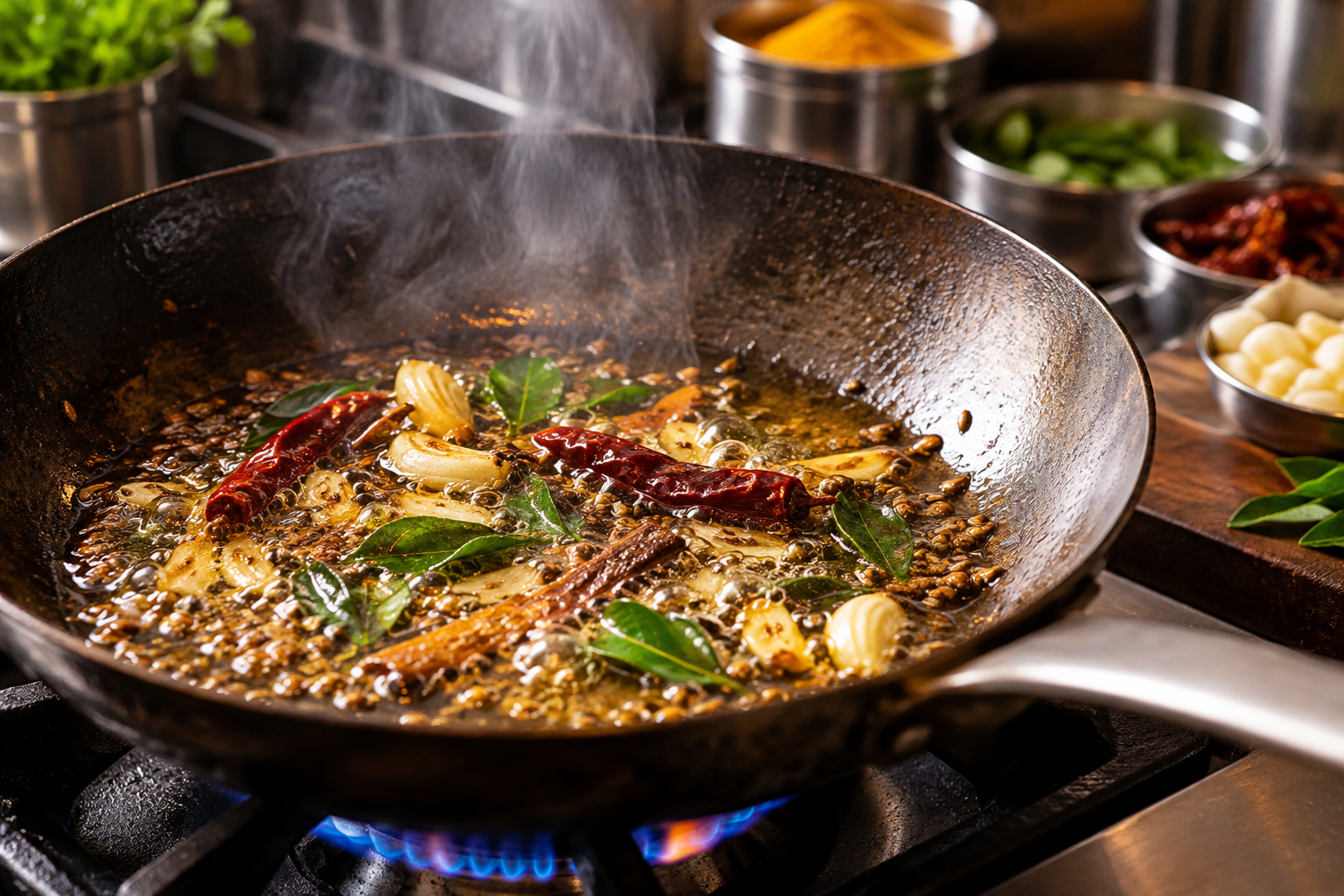
One of the most noticeable aromas in many restaurant kitchens comes from a technique chefs use every day: heating spices in fat. In Indian cooking, this can happen when whole spices are added to hot oil or ghee at the beginning of a dish, or when a finishing tempering is poured over food at the end.
Spices contain many aromatic compounds that are not equally soluble in water. Cooking them briefly in fat helps extract and distribute some of these compounds, allowing their aroma to spread through the dish and into the surrounding air.
You can experience the difference yourself with something as simple as cumin seeds. Smell them straight from the container, then carefully heat a small amount of oil and add the cumin. Within seconds, the aroma changes from a dry spice smell to something much warmer, deeper and more intense.
The timing matters. Spices need enough heat to release their aroma, but excessive heat can quickly scorch them. Once a spice burns, the pleasant aroma you’re trying to develop can turn bitter and harsh.
This is why an experienced chef doesn’t simply follow a timer. We watch the colour, listen to the pan and, most importantly, smell what is happening. The aroma itself becomes a cooking signal.
The Smell of Browning: Where Deep Flavor Begins
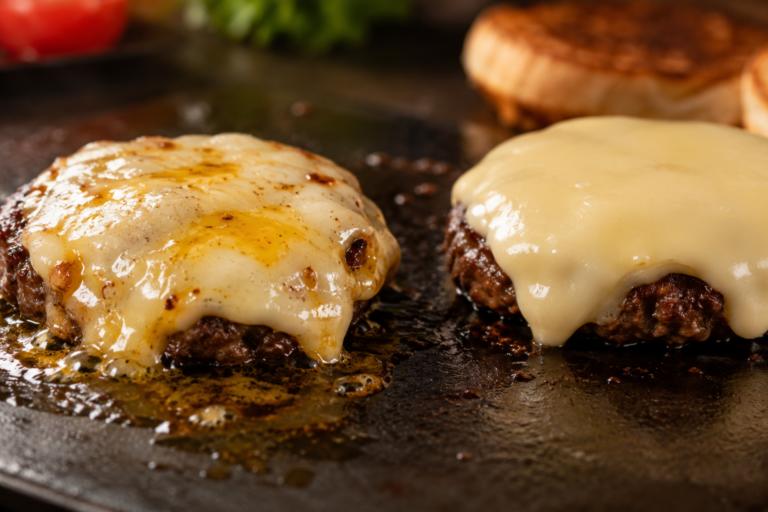
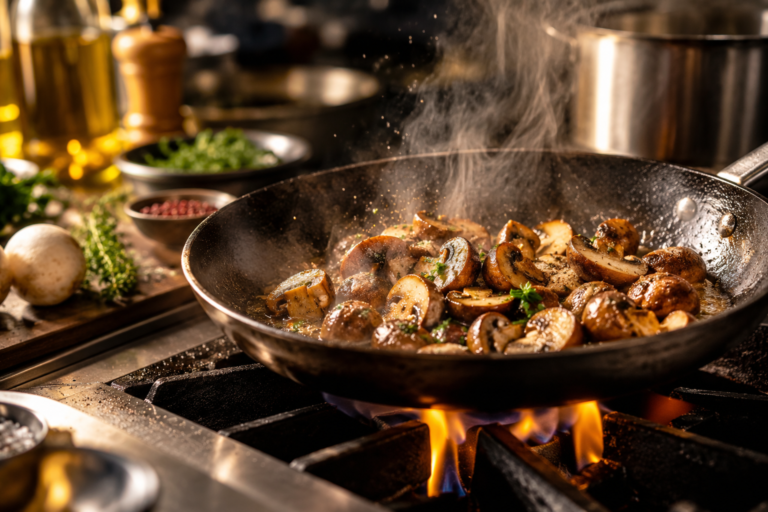
Few cooking aromas are as powerful as the smell of food browning in a hot pan. Think about a steak developing a dark crust, onions turning golden, or bread becoming deeply toasted. These foods smell completely different from their raw ingredients.
Much of this transformation comes from the Maillard reaction, a complex group of chemical reactions that occurs when proteins and reducing sugars are exposed to sufficiently high temperatures. It creates hundreds of new flavour and aroma compounds, which can contribute roasted, nutty, toasted and savoury characteristics to food.
This is one reason chefs are careful not to overcrowd a pan when trying to brown an ingredient. If too much food is added at once, the temperature of the cooking surface can drop and moisture can accumulate. Instead of developing a good browned surface, the ingredients may steam.
As a chef, I look for visual and aromatic signals rather than simply waiting for a recipe’s stated cooking time. When browning is developing properly, the colour changes, the smell becomes deeper and the pan starts telling you that something important is happening.
Browning isn’t just about making food look better. It is one of the major ways cooking creates new aromas and layers of flavour.
Why Freshly Toasted Spices Smell So Powerful
There is a reason freshly toasted spices can transform the smell of a dish within seconds. Whole spices contain aromatic compounds that are released more readily when the spices are heated. Toasting can also change some of those compounds, producing a warmer, more complex aroma.
This is particularly noticeable with spices such as cumin, coriander seeds, black pepper, fennel and cardamom. Compare a spice blend that has been sitting in a container for months with freshly toasted whole spices that have just been ground. The difference can be surprisingly obvious.
In a professional kitchen, this is why I prefer to treat spices as ingredients that need to be handled carefully rather than simply measured and added. The amount matters, but the condition of the spice and how it is heated can matter just as much.
The key is gentle control. Toasting should develop the aroma without scorching the spices. Once they become burnt, the pleasant aromatic character can quickly be replaced by bitterness.
For home cooks, one of the simplest upgrades is to toast whole spices briefly when the recipe calls for it, allow them to cool slightly, and then grind them. You don’t need expensive equipment or complicated techniques—just fresh spices, controlled heat and attention to the aroma.
How Steam Carries Aroma From the Kitchen
Have you noticed how much stronger a dish can smell when it is freshly served? Steam is part of the reason. As water in a hot dish turns into vapour, it can carry volatile aroma compounds away from the food and into the surrounding air.
This is especially noticeable with foods such as biryani, soups, curries and freshly cooked rice. When you lift the lid from a properly cooked biryani, for example, the first burst of aroma is not just imagination. Heat and steam help transport aromatic compounds from the rice, spices, herbs and cooking fat toward your nose.
Professional chefs use this naturally during service. A dish that is finished and served immediately can have a very different aromatic impact from the same dish left uncovered for several minutes.
This is also why covering and uncovering food at the right moment matters. Keeping a dish covered can retain moisture and aroma, while opening it releases those aromas into the surrounding air. The timing of that release can be part of the eating experience itself.
Why Restaurant Food Is Often Finished at the Last Moment
One of the biggest differences between a professional kitchen and a home kitchen is not necessarily the recipe; it is when the final cooking steps happen. In restaurants, many dishes are prepared in stages so that the final finishing happens as close to service as possible.
A curry might already have its base prepared, but fresh herbs, butter, cream, toasted spices or a squeeze of lemon may be added just before serving. A grilled protein may be cooked to order and rested before it reaches the plate. Fried foods are usually held for as little time as practical because their texture and aroma begin changing as soon as they leave the fryer.
This timing has a direct effect on aroma. Freshly added ingredients release their volatile compounds while the food is still hot, so the customer experiences the strongest aroma at the moment the dish arrives.
In professional cooking, the last few seconds can matter as much as the first few minutes. Finishing is not decoration; it is part of building the final flavour and aroma of the dish.
Fresh Herbs, Citrus and Finishing Aromatics
Some of the most powerful aromas in a dish come from ingredients added near the end of cooking. Fresh coriander, mint, basil, citrus zest, lemon juice, roasted garlic and freshly cracked pepper can have a much stronger aromatic impact when they are used at the right moment.
The reason is simple: many of these ingredients contain delicate volatile compounds that can be reduced or changed by prolonged exposure to heat. Adding them too early may still give the dish flavour, but some of their fresh, bright aroma can be lost during cooking.
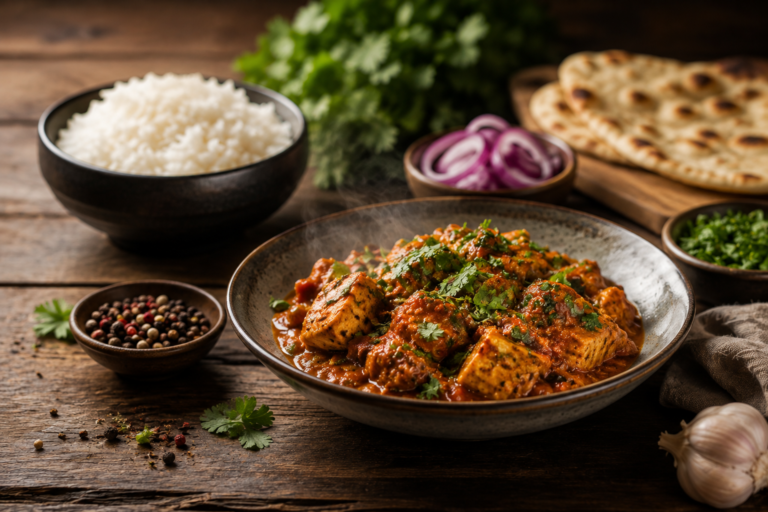
This is why a chef may finish a curry with fresh coriander, add lemon juice to a sauce just before serving, or grate citrus zest directly over a finished dish. These aren’t merely decorative touches. They can provide the final aromatic contrast that makes the food feel fresher and more complete.
One of the easiest professional habits to adopt at home is to think about finishing ingredients separately from cooking ingredients. Ask yourself which flavours need time in the pan and which ones are better introduced when the dish is almost ready.
A Chef RBS Kitchen Experiment: Whole Spices vs. Toasted Spices
You can test the effect of heat on spice aroma in your own kitchen with a very simple comparison. Take a small amount of whole cumin seeds and divide them into two portions.
Leave one portion as it is. In a dry pan, gently toast the second portion over medium-low heat for a short time, moving the seeds regularly so they heat evenly without burning. Remove them as soon as the aroma becomes noticeably stronger and more developed, then allow them to cool.
Now smell the two portions side by side.
The untreated cumin will have its familiar raw spice aroma, while the toasted cumin should smell warmer, deeper and more pronounced. You can take the experiment one step further by grinding a little of each and comparing them again.
This small test demonstrates an important professional cooking principle: technique can change an ingredient without changing the ingredient itself. The cumin hasn’t become a different spice. The application of controlled heat has changed the way its aromatic character is released.
This is the kind of simple experiment I encourage cooks to try. Instead of memorising that a chef technique is “better,” experience the difference yourself and learn what your ingredients are telling you.
How to Make Your Home Kitchen Smell More Like a Professional Kitchen
You don’t need restaurant equipment to create better aromas at home. The biggest improvement usually comes from paying attention to a few basic techniques: preheat the pan properly, avoid overcrowding when browning, toast whole spices carefully, use fresh herbs when appropriate, and finish dishes close to the time you plan to serve them.
Another useful habit is to prepare your ingredients before you start cooking. When everything is measured, chopped and ready, you can concentrate on the pan instead of rushing between the cutting board and the stove. That gives you much better control over temperature and timing.
I also recommend learning to cook with your senses. Listen for the change in a pan as moisture evaporates, watch how ingredients change colour, and smell the food throughout the cooking process. These signals often tell you more about what is happening than a recipe timer alone.
The goal isn’t to make your kitchen smell like a restaurant for the sake of it. The goal is to understand how professional cooking develops aroma—and then use those principles to make your own food more enjoyable.
Common Mistakes That Reduce Food Aroma
1. Adding spices to a cold pan
Spices may not release their aroma effectively when the cooking fat and pan are still cold. Controlled heat helps develop their aromatic character.
2. Burning garlic or ground spices
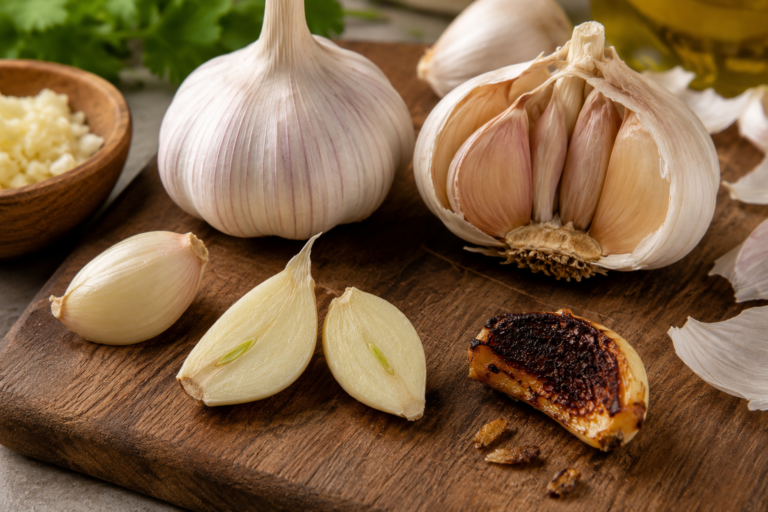
Garlic and finely ground spices can go from fragrant to burnt very quickly. Once scorched, they can introduce harsh or bitter aromas.
3. Overcrowding the pan
Too much food can lower the cooking surface temperature and increase moisture. That can interfere with browning and the roasted aromas that come with it.
4. Cooking fresh herbs for too long
Some delicate herbs are better added toward the end of cooking, when their fresh aroma can remain more noticeable.
5. Leaving finished food uncovered for too long
Hot food continually releases volatile compounds. Serving at the right moment helps preserve the aromatic impact of the dish.
6. Using old spices without checking their aroma
Ground spices gradually lose some of their aromatic intensity during storage. Before using them, smell the spice. If the aroma is weak, the finished dish may be less expressive as well.
In professional cooking, these details become habits. At home, simply becoming aware of them can make a noticeable difference.
What Professional Chefs Know About Food Aroma
In a professional kitchen, aroma is not treated as an afterthought. It is part of the cooking process from the moment ingredients enter the pan until the dish reaches the customer.
A chef learns to recognise the smell of properly toasted spices, developing browning, fresh herbs, cooked aromatics and the point at which an ingredient has gone too far. These observations become part of everyday kitchen judgement.
That experience is difficult to replace with a recipe alone. Two cooks can use the same ingredients and follow the same basic method, yet produce food with a noticeably different aroma because they manage heat, timing and finishing differently.
That’s the real secret behind many restaurant aromas: there isn’t one magic ingredient. There is a sequence of small decisions made correctly.
Once you understand that, you can start approaching your own cooking differently. Instead of asking only, “Is this cooked?”, start asking, “What aroma am I trying to develop at this stage?” That simple question can change the way you cook.
Frequently Asked Questions
Why does restaurant food smell so good?
Restaurant food often smells especially appealing because professional cooking develops aroma through controlled heat, browning, toasted spices, cooking fats, fresh herbs and finishing techniques. Timing also matters because many aromatic ingredients are added close to serving.
Does hot food smell stronger than cold food?
Often, yes. Heat can increase the release of volatile aroma compounds into the air, which makes the smell of freshly cooked food more noticeable. This is one reason hot dishes can seem especially aromatic when they are first served.
Why do chefs cook spices in oil?
Cooking spices in oil or ghee can help release and distribute their fat-soluble aromatic compounds. Controlled heating can make spices more fragrant, but overheating them can cause scorching and bitterness.
Why does browned food smell better?
Browning can create new flavour and aroma compounds through reactions such as the Maillard reaction. These compounds contribute roasted, toasted and savoury characteristics that are very different from the aromas of raw ingredients.
Why do restaurants add herbs and lemon at the end?
Fresh herbs and citrus can provide bright aromas and flavour that may be reduced or changed by prolonged cooking. Adding them near the end helps preserve more of their fresh character.
Can I make my home cooking smell more like restaurant food?
Yes. Focus on controlling pan temperature, developing proper browning, carefully toasting spices, avoiding overcrowding, using fresh finishing ingredients and serving food soon after the final cooking stage.