Why Is Pumpkin Spice So Popular? The Food Science Behind America’s Fall Flavor
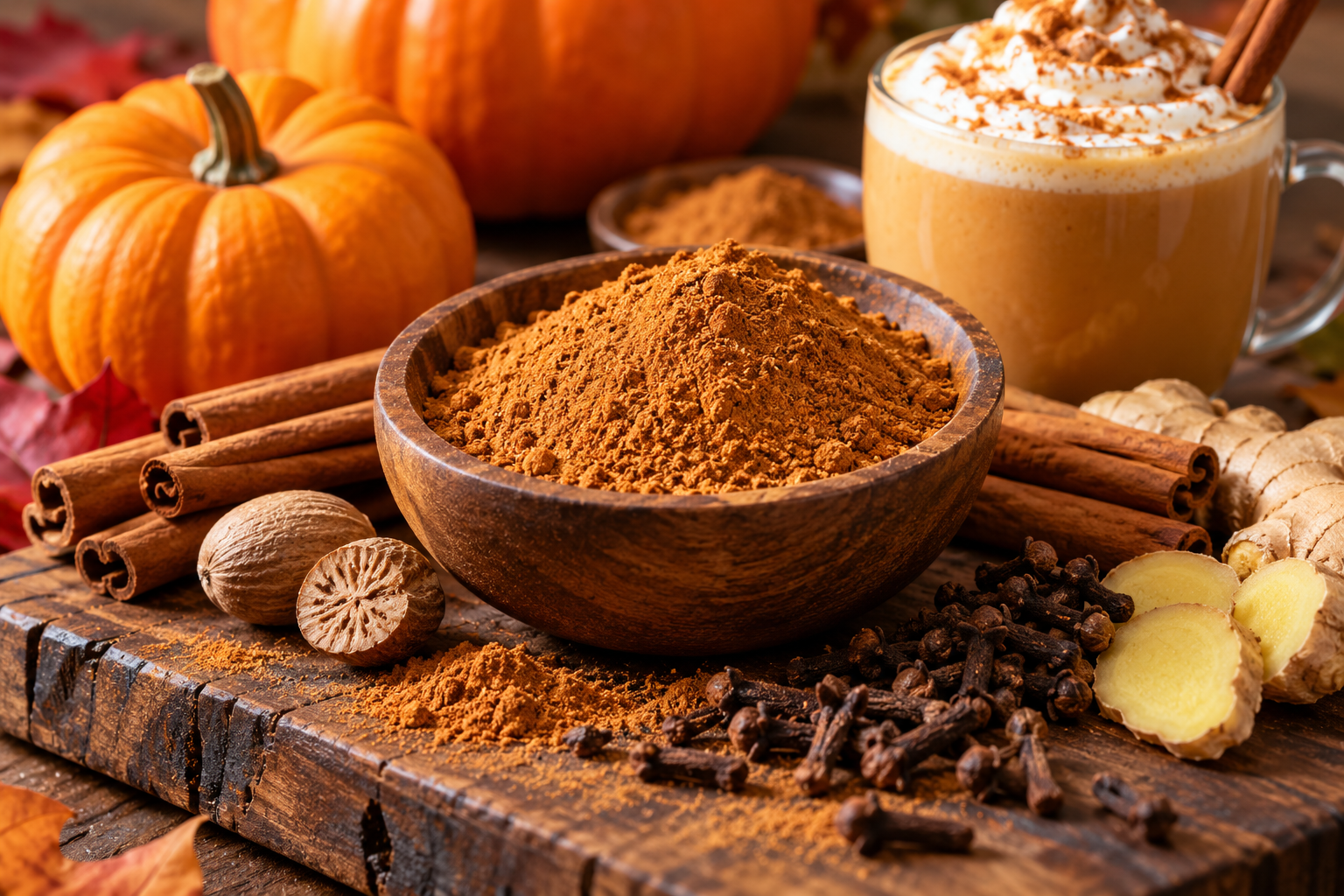
A pumpkin spice blend is usually built around warm spices such as cinnamon, ginger, nutmeg, cloves, or allspice. There isn’t one universal formula, and the exact combination varies between brands and recipes.
One day, summer is still on the calendar. Then suddenly, coffee shops, bakeries, and grocery shelves are filled with that familiar combination of cinnamon, ginger, nutmeg, and other warm spices.
But here is the interesting part: pumpkin spice does not actually taste much like pumpkin.
So why does a small blend of spices create such a strong reaction?
As a chef, I find the more interesting question is not simply why people like pumpkin spice. It is why this particular combination of aromas works so well with coffee, milk, sugar, baked foods, and even savory ingredients.
The answer has less to do with pumpkin itself and more to do with how our senses experience aroma, sweetness, warmth, texture, and memory at the same time.
Once you understand that, pumpkin spice stops looking like just a seasonal trend. It becomes a fascinating little lesson in how flavor is built.
In this article, we will break down what pumpkin spice really is, why it tastes so comforting, what happens when those spices meet coffee and milk, and how a chef can use the same flavor principles far beyond a pumpkin spice latte.
What Is Pumpkin Spice?
Before we talk about why pumpkin spice became so popular, there is one common misconception worth clearing up.
Pumpkin spice is usually not pumpkin.
The classic blend is made from warming spices such as cinnamon, ginger, nutmeg, and cloves, with some blends also containing allspice or other spices. The exact formula can vary.
The name comes from the flavor profile traditionally associated with pumpkin pie, rather than from pumpkin being one of the main ingredients.
That distinction matters because it explains something you may have noticed: you can taste pumpkin spice in a latte, cookie, or cake even when there is very little pumpkin, or sometimes no pumpkin at all.
From a chef’s point of view, this is where things get interesting.
The spices bring different aromatic notes to the same blend. Cinnamon contributes a sweet, woody warmth. Ginger brings a sharper, brighter heat. Nutmeg adds a deeper, slightly sweet aroma, while cloves contribute a powerful spicy character.
Together, they create something much more complex than any one spice could provide.
Chef RBS Tip: When developing a pumpkin-spice recipe, don’t think of the blend as one flavor. Think of it as a small team of flavors, each doing a different job.
Why Does Pumpkin Spice Taste So Good?
The appeal of pumpkin spice is not really about one magical ingredient. It comes from balance.
Cinnamon, ginger, nutmeg, and cloves each bring a different aromatic character. When they are combined, the result feels warm and rounded rather than dominated by a single spice.
There is another important piece: our sense of flavor is strongly connected to aroma. When you eat or drink something, volatile compounds from the food reach your nose, helping create what you experience as flavor.
That is why the same pumpkin-spice blend can feel completely different depending on what you pair it with.
Add coffee and you get roasted bitterness against warm spice. Add milk and the flavor becomes softer and creamier. Add sugar, and the spices can seem even more aromatic because sweetness changes the overall balance of the drink.
This is one reason pumpkin spice works so well in foods that contain fat, sugar, and roasted flavors.
Chef RBS Tip: A good spice blend should support the main ingredient, not bury it. If all you taste is cloves or cinnamon, the blend is doing too much.
Why Pumpkin Spice Works So Well With Coffee
One of the biggest reasons pumpkin spice became so closely associated with coffee is the way roasted coffee and warm spices complement each other.
Coffee naturally brings roasted, bitter, and sometimes slightly acidic notes. Pumpkin spice adds aromatic warmth and sweetness perception without needing to make the coffee itself sweeter.
Then comes milk. Milk changes the drink’s body, texture, and aroma release. Its proteins and fat interact with flavor compounds, so the same spices can be perceived differently in a milk-based drink than in black coffee.
This is why a pumpkin spice latte can feel much more indulgent than a plain coffee, even though the basic ingredients are surprisingly simple.
From a chef’s perspective, it is a classic example of contrast creating balance:
Roasted coffee + warm spice + creamy milk + sweetness
None of these elements has to dominate. When they are proportioned well, they support each other.
Chef RBS Tip: When making a spiced coffee at home, start with a small amount of spice. You should notice the aroma when you lift the cup, but the coffee should still taste like coffee.
Why Does Pumpkin Spice Feel Like Fall?
There is another reason pumpkin spice has become so strongly connected with autumn: flavor can carry a sense of familiarity.
The smell of cinnamon, nutmeg, and cloves can remind people of baked goods, warm drinks, pies, and holiday cooking. Over time, those repeated experiences can make a particular combination of aromas feel strongly associated with a season.
This is where food becomes more than taste.
A familiar aroma can bring back a memory of a kitchen, a family gathering, or a particular time of year. The spice itself hasn’t changed, but the meaning we attach to it can change the way we experience it.
That helps explain why pumpkin spice can create such a strong seasonal reaction even before the weather actually feels like fall.
As a chef, I find this one of the most interesting parts of flavor development. You are not only building taste; you are building an experience.
Chef RBS Tip: When creating a seasonal dish, don’t think only about ingredients. Think about the aroma, temperature, texture, and memories you want the dish to evoke.
What Is Actually in Pumpkin Spice?
Not every pumpkin spice blend tastes exactly the same, and that is important to remember when cooking with it.
A traditional-style blend usually centers around cinnamon, ginger, nutmeg, and cloves. Some commercial blends also include allspice, while others adjust the proportions to create a milder or more intense flavor.
Each spice brings a different job to the blend.
- Cinnamon gives the blend its familiar sweet, woody warmth.
- Ginger adds brightness and a gentle spicy heat.
- Nutmeg contributes a deeper, slightly sweet, and aromatic note.
- Cloves are powerful, warm, and intensely aromatic.
- Allspice, when used, can add another layer of warm spice.
This is why changing the ratio can noticeably change the finished dish. A little extra clove, for example, can make a blend taste much more intense, while increasing cinnamon can make it feel softer and sweeter.
There is no single universal pumpkin spice formula. The balance is what matters.
Chef RBS Tip: If you’re making your own blend, mix a small batch first. Taste it in the actual food or drink you plan to make, because spices can behave differently when combined with coffee, dairy, sugar, or baked ingredients.
Why Does Pumpkin Spice Smell So Strong?
One reason pumpkin spice can seem so powerful is that aroma does a lot of the work.
Spices contain volatile compounds that can move into the air and reach your nose. That means you can often recognize a pumpkin-spice drink or baked good before you even taste it.
This is especially noticeable when the spices are warmed. Heating can help release aromatic compounds, which is why the smell of cinnamon, nutmeg, or cloves can become much more noticeable while something is baking or when a warm drink is prepared.
But there is a fine line.
Too little spice and the aroma disappears. Too much, and the stronger spices can dominate the entire dish.
That is why professional cooking is often less about adding more and more flavor and more about finding the point where the ingredients are in balance.
Chef RBS Tip: Smell your spice blend before adding it to a recipe. Your nose can tell you a surprising amount about whether the blend is balanced, especially when you’re working with strongly aromatic spices.
Pumpkin Spice Is More Than a Latte Flavor
Pumpkin spice has moved far beyond the coffee cup.
You now see the flavor combination in cakes, cookies, muffins, ice cream, breakfast foods, sauces, and seasonal desserts. That makes sense from a culinary perspective because its warm, aromatic profile pairs naturally with ingredients such as dairy, chocolate, nuts, vanilla, and caramel.
But there is an important chef’s rule here: the same spice blend does not need to be used at the same strength in every application.
A latte may need enough spice to stand up to coffee and milk. A delicate cake may need much less. In a creamy dessert, the fat can carry the spice aroma differently again.
This is where understanding the ingredients becomes more useful than simply following a fixed recipe.
Chef RBS Tip: When adapting pumpkin spice to a new dish, start by asking what the main ingredient needs. The spice should make the food more interesting, not make everything taste like the spice blend.
Why Does Pumpkin Spice Taste Sweet Even Without Much Sugar?
There is an interesting trick happening when you taste pumpkin spice: aroma can influence how we perceive sweetness.
Cinnamon, nutmeg, cloves, and ginger don’t contain the same sweetness as sugar, but their warm, familiar aromas can make food seem more dessert-like. When those aromas are combined with actual sweetness from sugar, maple syrup, or other ingredients, the overall flavor can feel richer and more rounded.
This is one reason pumpkin spice works so naturally in coffee drinks and baked goods. You get several sensory signals at once: warmth from the spices, sweetness from the recipe, aroma from the spices, and often creaminess from dairy.
As a chef, I would describe this as building a flavor impression rather than simply adding sweetness.
You don’t always need more sugar to make a dish feel more indulgent. Sometimes the better approach is to improve the aroma and balance.
Chef RBS Tip: Before increasing sugar in a pumpkin-spice recipe, taste it again after the spices have been properly balanced. You may find that the dish already feels sweeter and fuller without adding much more sugar.
Pumpkin Spice vs. Pumpkin Pie Spice
You may see “pumpkin spice” and “pumpkin pie spice” used almost interchangeably, but the wording can be confusing.
In everyday food marketing, both usually refer to a warm spice blend built around ingredients such as cinnamon, ginger, nutmeg and cloves. There isn’t one universal formula that every brand or chef must follow.
The important thing is to read the ingredient list rather than relying only on the name.
A homemade blend also gives you more control. You can increase cinnamon for a softer profile, bring up ginger for more brightness, or reduce cloves if you want a gentler aroma.
That flexibility is useful in professional cooking because the ideal balance depends on what you’re making.
Chef RBS Tip: Don’t treat a spice blend as a fixed rule. Treat it as a starting point. The best ratio is the one that supports the food you’re actually preparing.
Why Pumpkin Spice Became a Seasonal Phenomenon
Pumpkin spice didn’t become a cultural phenomenon simply because people suddenly discovered cinnamon and nutmeg.
Its success comes from repetition, timing and familiarity.
Pumpkin spice became strongly connected with fall because people kept experiencing the same flavors at the same time every year. Coffee shops, bakeries and food brands helped turn that familiar flavor into a seasonal tradition.
There is a clever sensory idea behind this: familiarity makes a flavor easier to recognize, while limited seasonal availability can make it feel special.
That combination is powerful.
You see the flavor for a few months, associate it with cooler weather and seasonal celebrations, and then it disappears. When it returns, the aroma itself can feel like part of the season.
From a chef’s perspective, this is a useful lesson in menu development. A memorable seasonal dish doesn’t always need an unusual ingredient. Sometimes a familiar flavor, presented at the right time and in the right format, has much greater emotional impact.
Chef RBS Tip: Seasonal food works best when the flavor, aroma and timing tell the same story. Pumpkin spice is a great example of that principle.
Pumpkin Spice Is Not Just About Pumpkin
One of the easiest mistakes is to assume that the popularity of pumpkin spice comes mainly from the flavor of pumpkin.
It doesn’t.
The familiar pumpkin-spice experience is built largely around the aroma of the spice blend, combined with sweetness, creaminess and roasted flavors. Pumpkin can be part of the recipe, but it isn’t responsible for the entire sensory experience.
That is why the same spice profile can work in a latte, cookie, cake or ice cream even though the amount of pumpkin can be very different.
This is an important lesson in cooking: an ingredient’s name doesn’t always tell you where its strongest flavor contribution comes from.
When I develop a dish, I like to separate the ingredients into their individual jobs. One may provide body, another sweetness, another acidity, while another may contribute most of the aroma.
Once you start looking at food this way, recipes become easier to understand and much easier to improve.
Chef RBS Tip: The next time you taste a pumpkin-spice product, ask yourself one question: Am I tasting pumpkin, or am I mainly experiencing the spice aroma? That small distinction can change the way you understand the dish.
How Chefs Can Use Pumpkin Spice Better
Pumpkin spice is easy to overuse.
Because the blend is so recognizable, adding more of it does not necessarily make a dish better. In professional cooking, the goal is usually to create layers of flavor, rather than make one ingredient announce itself in every bite.
For example, cinnamon can support baked fruit, ginger can bring brightness to a creamy dessert, and a small amount of nutmeg can deepen a milk-based preparation. Cloves can add depth, but because their aroma is powerful, they often need a lighter hand.
This is where I would use pumpkin spice differently from simply following a seasonal recipe.
Instead of asking, “How much pumpkin spice should I add?”, ask:
“What part of the flavor profile is missing?”
If the dish already has plenty of warmth, perhaps you need freshness. If it feels heavy, acidity may help. If the aroma is flat, a carefully balanced spice blend may be enough.
That approach gives you much more control over the final dish.
Chef RBS Tip: Great seasoning isn’t about making your spice blend louder. It’s about knowing when each spice should speak and when it should stay in the background.
The Chef RBS Takeaway
The most interesting thing about pumpkin spice isn’t that it became a seasonal favorite. It’s why the flavor works so well.
A handful of aromatic spices can change the way we experience sweetness, warmth, creaminess and roasted flavors. Add the right ingredients and the result can feel comforting and familiar without any single spice needing to dominate.
That is the real lesson I take from pumpkin spice as a chef:
Great flavor isn’t about adding more. It’s about understanding what every ingredient is doing.
Once you understand that, pumpkin spice becomes more than a seasonal trend. It becomes a useful example of how chefs build flavor, create balance and turn familiar ingredients into an experience people remember.
FAQ questions
What is pumpkin spice made of?
Does pumpkin spice contain pumpkin?
Why is pumpkin spice so popular?
What does pumpkin spice taste like?
Is pumpkin spice the same as pumpkin pie spice?
Why does pumpkin spice taste so good?
Why is pumpkin spice associated with fall?