Why Frozen Food Is Making a Comeback: The New Frozen Food Revolution
Frozen food used to have a simple reputation: convenient, cheap, and something you kept for emergencies. That perception is changing.
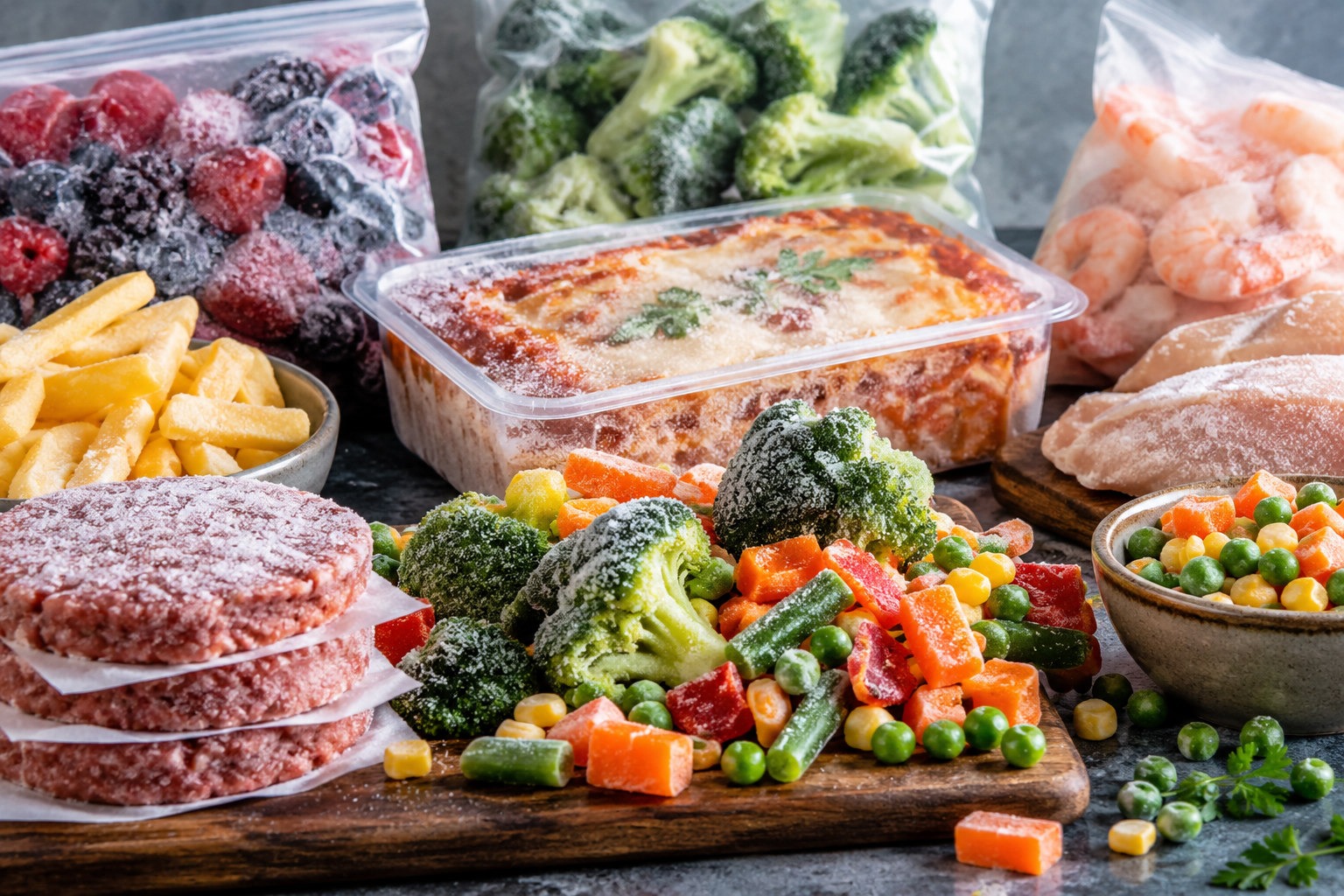
Walk through a modern American grocery freezer and you will find much more than frozen peas, pizzas, and basic ready meals. You will see chef-inspired dishes, global flavors, premium proteins, restaurant-style appetizers, and products designed for air fryers and quick home cooking.
The interesting part is not simply that Americans are buying more frozen food. It is why they are buying it.
Frozen food is becoming part of meal planning, not just a backup plan. And behind this change is a combination of food science, convenience, food waste, affordability, and better product development.
As a chef, I find this shift particularly interesting because freezing food is not simply about putting something into a freezer. The quality of the final product depends on what happens to water, ice crystals, texture, packaging, and reheating.
That is where the new frozen food revolution really begins.
What Is Driving the Frozen Food Comeback?
Frozen food is no longer competing only on convenience. For many consumers, it is becoming a practical way to manage busy schedules while still having more choice at home.
One major change is meal planning. Instead of buying frozen food only as a backup, shoppers are increasingly choosing specific frozen products for particular meals and occasions. That changes the role of the freezer from simple storage to part of the household meal-planning system.
There is also a quality shift. Better freezing methods, improved packaging, and more sophisticated product development allow manufacturers to protect flavor, appearance, and texture more effectively than many older frozen products could.
From a chef’s perspective, this matters because freezing itself is not necessarily what makes food poor quality. The bigger issue is what happens to the food during freezing, storage, and reheating.
Water is at the center of that story. When food freezes, water forms ice crystals. The size and formation of those crystals can affect the structure of cells and ultimately influence whether vegetables stay firm, meat remains juicy, or a prepared dish becomes watery after reheating.
That is why two frozen products can come out of the freezer with completely different results.
What Happens to Food When It Freezes?
The biggest challenge in frozen food is water.
Most foods contain a significant amount of water. When that water freezes, it forms ice crystals. The speed at which freezing happens can make a major difference to the final quality of the food.
Slow freezing generally creates larger ice crystals. These crystals can damage the structure of food, particularly fruits, vegetables, and other foods with delicate cellular structures. When the food later thaws, some of that water can escape, leaving the product softer, wetter, or less juicy.
Faster freezing creates smaller ice crystals. They cause less physical disruption to the food structure, which is one reason modern freezing technology can produce much better results than the frozen foods many consumers remember from decades ago.
This is also why commercial frozen foods can behave very differently from food frozen in a household freezer.
As a chef, I notice this especially with vegetables. A vegetable that goes through the right preparation and rapid freezing process can retain surprisingly good color, flavor, and structure. But if the same vegetable is poorly handled before freezing, stored badly, or repeatedly exposed to temperature changes, the final result can be disappointing.
So when someone says, “Frozen food doesn’t taste fresh,” the more useful question is:
How was it frozen, stored, and prepared?
That question tells us much more about quality than the word “frozen” alone.
Why Modern Frozen Food Can Taste Better Than You Expect
One reason the frozen food category is changing is that manufacturers have become much more focused on protecting quality, not simply extending shelf life.
The goal is to get food from its prepared state into a stable frozen condition while preserving as much of its original character as possible. That requires decisions about preparation, freezing speed, portion size, packaging, and storage.
Take frozen vegetables as an example. Vegetables are often processed soon after harvest, which can help preserve their useful qualities before they spend a long time moving through the supply chain.
The same principle can apply to prepared meals. A professionally developed frozen dish can be cooked, portioned, frozen, and packaged under controlled conditions. The consumer then reheats it later instead of preparing the entire meal from scratch.
But there is an important limitation:
Freezing cannot rescue poor food.
If the original ingredient is low quality, the recipe is poorly balanced or the product is badly handled before freezing, putting it in a freezer will not magically improve it.
This is something I learned working in professional kitchens: the freezer preserves a product; it does not create quality.
The better the food is before freezing, the more potential there is for a good result after reheating.
Why Texture Is the Biggest Challenge in Frozen Food
Flavor is important, but texture is often where frozen food succeeds or fails.
A freshly cooked vegetable can have a crisp bite. A fried appetizer can have a crunchy exterior. A piece of meat can feel juicy and tender. Freezing and reheating can change all of those characteristics.
The reason is simple: food is a physical structure, not just a collection of flavors.
When ice crystals form, they can affect the cells and moisture distribution inside the food. Then, during thawing or reheating, that moisture has to go somewhere. If too much escapes, the food can become watery, soft, or dry.
This is particularly noticeable with foods that are supposed to be crispy.
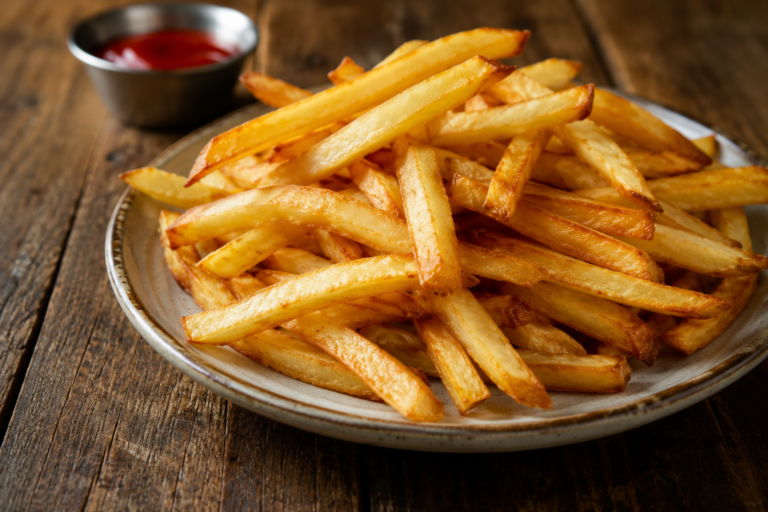
A frozen samosa, French fry, or breaded appetizer may have excellent flavor, but if its coating absorbs moisture during storage or reheating, the crunch can disappear.
This is why modern frozen food development pays so much attention to coatings, moisture control, cooking methods, and packaging.
As a chef, I would judge a frozen product by one simple question:
Does it still have the texture the food is supposed to have after reheating?
If the answer is yes, the freezing process has done its job remarkably well.
What Is IQF Freezing, and Why Does It Matter?
If you have ever bought a bag of individually frozen vegetables, berries, or seafood, you may have noticed that the pieces remain separate instead of becoming one large frozen block.
This is often achieved through IQF, or Individually Quick Frozen, processing.
Instead of freezing a large quantity together as one mass, individual pieces are frozen rapidly and separately. This can make portioning easier and can help maintain the individual shape and usability of the food.
For restaurants and food businesses, this has another important advantage: portion control.
A chef can take out only the amount needed rather than thawing an entire batch. That can make kitchen operations more predictable and reduce unnecessary handling.
IQF is especially useful for products such as
- Vegetables
- Berries and fruits
- Seafood
- Meat portions
- Prepared ingredients
- Some coated and ready-to-cook foods
But IQF does not automatically mean that every product will have perfect quality. The raw material, processing conditions, packaging, storage temperature, and final cooking method still matter.
The technology can protect quality, but the entire cold chain has to work with it.
Why Frozen Food Is Becoming More Premium
The frozen aisle is no longer built around one idea: cheap and convenient.
Today, consumers can find frozen products designed around restaurant-style meals, international flavors, premium ingredients, and specific cooking methods. Some products are created specifically for air fryers, while others are designed to deliver a more complete meal with minimal preparation.
This creates an interesting change in consumer expectations.
People are not simply asking:
“Is this frozen?”
They are asking:
“Does this frozen product give me a good eating experience?”
That distinction is important.
A premium frozen product has to perform after storage and reheating. It needs the right balance of flavor, texture, appearance, portion size, and convenience.
For food companies, this opens a much bigger opportunity than simply selling frozen meals.
It means developing products that solve a real consumer problem:
Restaurant-style food without restaurant-level preparation time.
And that is one reason the modern freezer is becoming a much more interesting part of the food industry.
Why Restaurants and Food Businesses Like Frozen Ingredients
Frozen food is not only changing home kitchens. It has been part of professional food operations for years, and the newer generation of frozen products is making the category even more useful.
For a restaurant, consistency matters.
A frozen ingredient can provide a more predictable portion, reduce preparation time, and make inventory easier to manage. A kitchen can also standardize a product across different shifts or locations without depending entirely on the skill of one cook.
This becomes especially important when a business expands.
Imagine a QSR selling the same crispy appetizer at 20 locations. If every kitchen prepares the product from raw ingredients using a different process, maintaining identical results becomes difficult.
A well-developed frozen product can move much of that preparation into a controlled production environment.
The restaurant then focuses on storage, cooking, and final presentation.
From my experience in professional kitchens, this is where frozen food becomes more than convenience. It becomes a food business tool.
The challenge is designing the product correctly in the first place.
A frozen product has to be developed around its final cooking method, not just how it tastes immediately after production.
That means thinking about freezing, transportation, storage, and reheating right from the recipe-development stage.
Is Frozen Food Less Healthy Than Fresh Food?
The answer is not automatic.
“Fresh” and “frozen” describe how food is stored, not whether the food is nutritious or unhealthy.
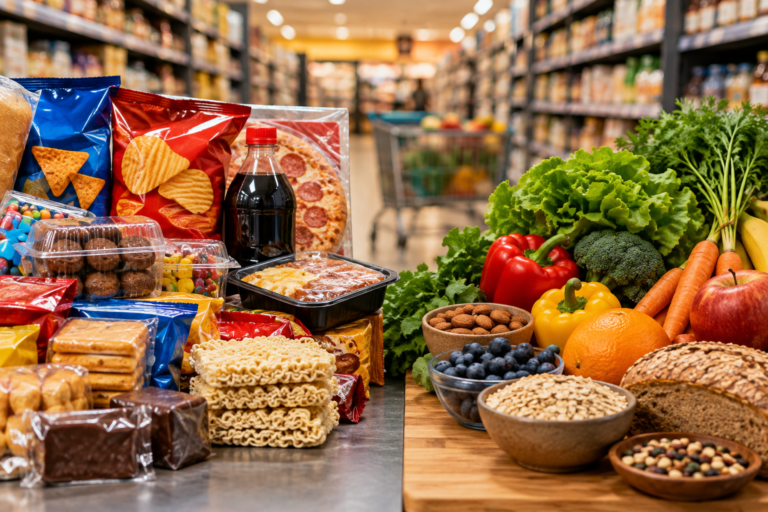
A plain bag of frozen vegetables is very different from a highly processed frozen meal loaded with sodium, refined ingredients, or added fats. The same distinction applies to frozen fruit, seafood, meat, and ready-to-eat products.
For consumers, the more useful questions are
- What ingredients are in the product?
- How much sodium and added sugar does it contain?
- Is it heavily processed?
- How is it prepared at home?
- Has it been stored properly?
Freezing itself is primarily a preservation method. It slows microbial growth and chemical changes that would otherwise reduce food quality over time.
This is an important distinction because the frozen aisle contains everything from minimally processed vegetables and fruit to highly formulated convenience foods.
As a chef, I would never judge a food simply because it came from a freezer.
I would judge what went into it, how it was processed, how it was stored, and what happens when you cook it.
Why Frozen Food Can Help Reduce Food Waste
One of the less obvious advantages of frozen food is time.
Fresh food has a limited window in which it needs to be used. If plans change, that window can disappear quickly. Frozen food gives consumers and food businesses much more flexibility.
This can be particularly useful for ingredients such as vegetables, fruits, seafood, and prepared components that may not be needed every day.
For a chef, this is also an operational advantage. A kitchen can portion ingredients and use them according to demand instead of constantly preparing large quantities and hoping everything gets sold.
But there is an important condition:
Frozen food only helps reduce waste when the cold chain and inventory system are managed properly.
Repeated temperature fluctuations, poor storage practices, damaged packaging, and excessive stock can still create waste.
So the real benefit is not simply “put food in the freezer.”
It is the combination of preservation, portion control, planning, and proper storage.
That is what makes freezing such an important tool in modern food operations.
How Air Fryers Are Changing Frozen Food
One reason frozen food has become more interesting is the rise of air frying.
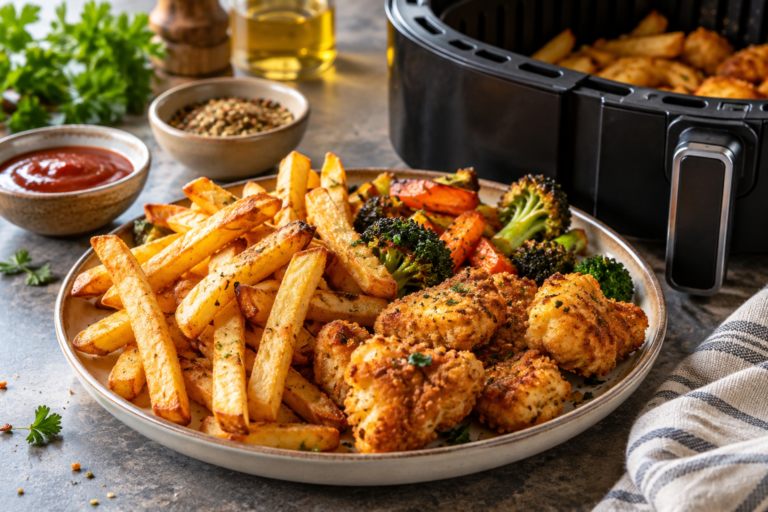
An air fryer gives consumers a fast way to cook many frozen products without deep-frying them in a large amount of oil. That has changed how manufacturers think about frozen snacks and ready-to-cook foods.
Products such as fries, breaded vegetables, chicken-style products, appetizers, and other coated foods can be designed specifically around circulating hot air.
But there is a food-science challenge.
A frozen product has to survive the journey from freezer to high heat.
The coating needs to develop color and crispness while the inside heats properly. Too much surface moisture can prevent good browning. Too little moisture can make the product dry.
This is why a good frozen product is often engineered around its final cooking method.
For food developers, the question is no longer simply
“Can we freeze this?”
It becomes:
“Can we freeze it, store it, and cook it quickly and still deliver the texture consumers expect?”
That is a much more interesting food-technology problem.
Why Frozen Food Is Becoming a Serious Food Business Opportunity
The frozen category is also opening doors for smaller food businesses.
A product that can be produced consistently, frozen safely, and cooked quickly can potentially be sold through multiple channels: restaurants, QSRs, retail, delivery, catering, and direct-to-consumer sales.
For a food entrepreneur, this changes the economics of product development.
Instead of building a business around one physical kitchen, a well-designed frozen product can become a repeatable system.
The recipe has to be standardized. Portion sizes have to be controlled. Packaging needs to protect the product. Storage temperatures need to be maintained. And the final cooking instructions have to be simple enough for the customer or restaurant team to reproduce the intended result.
This is where culinary knowledge meets food business and food technology.
A chef may create the original flavor, but scaling that product requires much more:
Recipe → Process → Freezing → Packaging → Cold Chain → Cooking → Customer
If one part of that chain fails, the eating experience can change.
That is why I believe the future of frozen food will not be about simply making more frozen products.
It will be about making better products that are designed for the entire journey from production to plate.
The Future of Frozen Food
The frozen food industry is moving in an interesting direction.
The freezer is no longer simply a place to store food for later. It is becoming part of how consumers plan meals, how restaurants control consistency, and how food companies develop products for modern lifestyles.
The biggest changes are happening around quality, convenience, and food technology.
Better freezing methods can help protect texture. Better packaging can help protect the product during storage. More precise recipe development can improve reheating performance. And new products are making it possible to bring flavors and formats that once required a restaurant kitchen into an ordinary home freezer.
But the basic principle remains unchanged:
Good frozen food starts with good food.
Freezing can preserve quality, but it cannot create it.
As a chef, I see the future of frozen food less as a replacement for fresh cooking and more as another tool in the modern food system.
The real question is no longer “Is frozen food good or bad?”
The better question is
“How well was this food designed for freezing, storage, cooking, and eating?”
That is where the frozen food revolution becomes genuinely interesting.