Why Are Savory Protein Snacks Becoming So Popular?
Walk through a supermarket today and protein is hard to miss. But there is a noticeable change happening in the snack aisle: protein is no longer limited to sweet bars, shakes, and flavored powders.
People are looking for savory protein snacks that are crunchy, spicy, salty, satisfying, and actually enjoyable to eat.
As Chef RBS, I find this shift particularly interesting because making a protein snack taste good is not simply about adding more protein. Texture, seasoning, aroma, moisture, and the way the ingredients behave during cooking can completely change the final product.
So why are savory protein snacks gaining attention, and what actually makes one worth eating?
Let’s look at the food science behind the trend, what to look for when buying them, and how to choose a protein snack that delivers more than just a big number on the package.
Quick Answer: Why Are Savory Protein Snacks Trending?
Savory protein snacks are becoming popular because people want more protein without having to rely on another sweet bar, shake, or dessert-style snack.
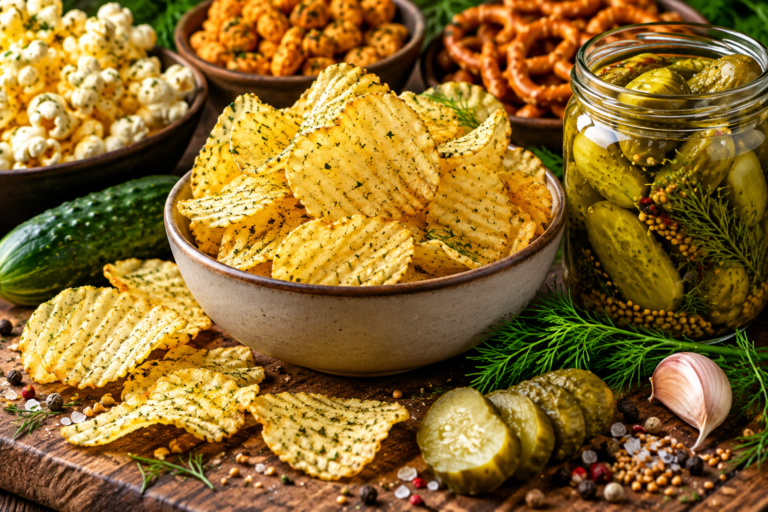
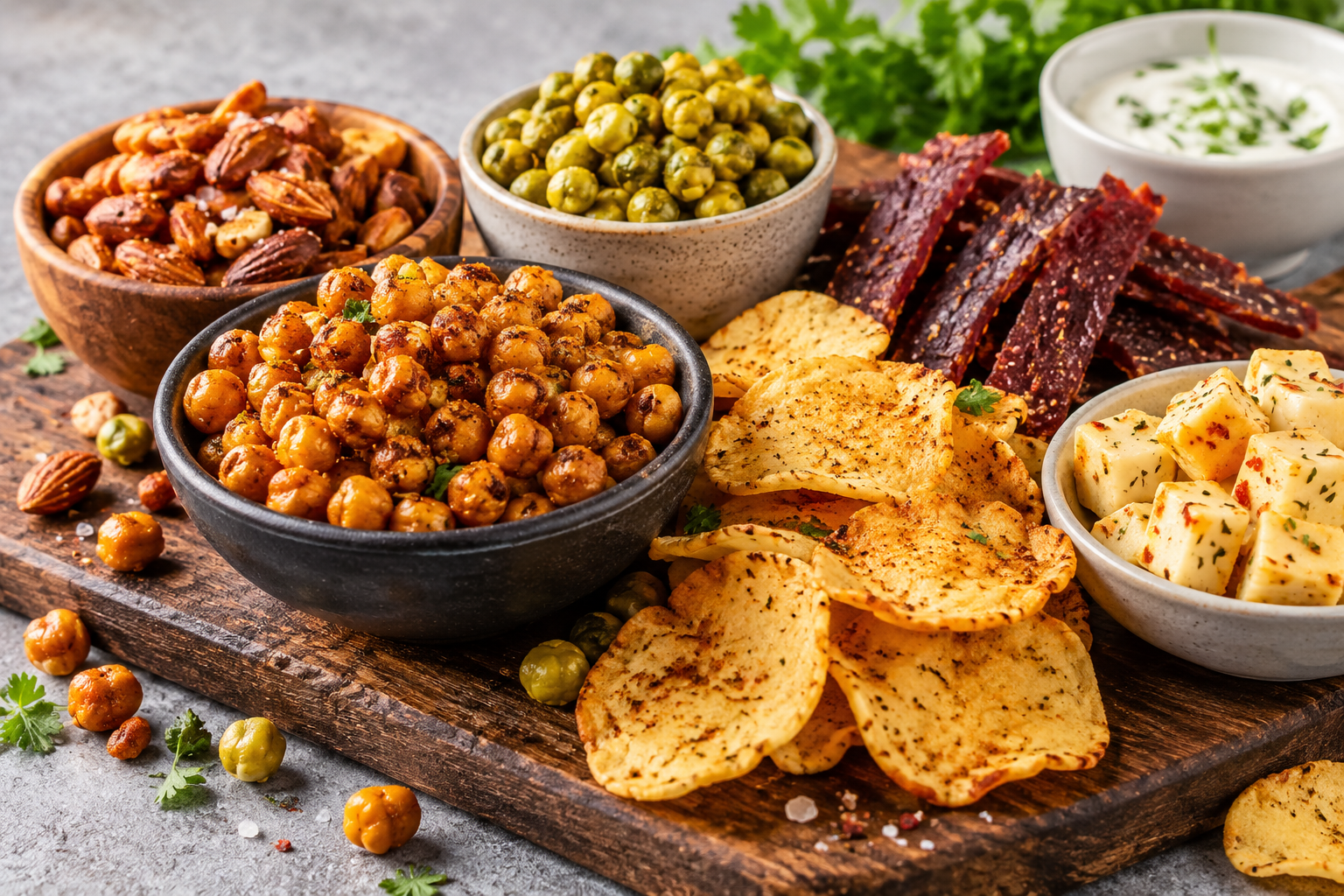
Think roasted chickpeas, lentil crisps, protein-rich nuts and seeds, jerky, crunchy legumes, cheese-based snacks, and newer savory products made with high-protein ingredients.
There is also a simple sensory reason behind the trend. Salt, spice, umami, and crunch make a snack feel satisfying, while protein can help make it more substantial than a typical low-protein snack.
But here is the important part: a snack being labeled “high protein” doesn’t automatically make it a good snack. The protein source, serving size, sodium, added fats, fiber, and overall ingredient list still matter.
As Chef RBS, I would judge a savory protein snack the same way I judge any food: Does it taste good, does the formulation make sense, and does it actually fit into the way you eat?
What Makes Savory Protein Snacks Different?
The biggest difference is flavor balance. Sweet protein snacks often use chocolate, vanilla, peanut butter, or other familiar flavors to make the protein component more appealing. Savory snacks have a different toolbox: spices, herbs, roasted aromas, salt, acidity, and umami.
Texture is just as important.
A good savory protein snack might be crispy on the outside, crunchy throughout, or pleasantly chewy, depending on the ingredient. Roasted chickpeas, for example, can develop a completely different eating experience from a soft-cooked chickpea because heat removes moisture and creates a firmer, more concentrated texture.
Protein ingredients can also make snack development more challenging. Some protein-rich foods become dry, dense, or powdery when processed incorrectly. That’s why formulation matters as much as the protein number on the nutrition label.
From a chef’s perspective, the goal isn’t simply to make a snack high in protein. The goal is to make protein part of a snack that people genuinely want to eat again.
Why Is Protein Moving Into Savory Snacks?
For years, protein snacks were heavily associated with sweet flavors. Chocolate protein bars, vanilla shakes, peanut butter bites, and flavored yogurts dominated the conversation.
That is changing because protein is becoming part of more everyday eating occasions, not just post-workout nutrition. A savory snack can feel more like real food while still helping people add protein to their day.
There is also a flavor advantage. Savory foods give manufacturers much more room to work with spices, herbs, chili, garlic, cheese, roasted flavors, and umami.
As Chef RBS, I think this is where the trend gets interesting. The future of protein snacks isn’t necessarily about making another protein bar. It is about taking familiar foods people already love and finding smarter ways to make them more nutritious, more satisfying, and still enjoyable to eat.
Food Science: Why Crunch Makes a Protein Snack More Satisfying
One reason savory protein snacks are so appealing is texture. A crisp bite creates a very different eating experience from a soft protein bar or shake.
When foods such as chickpeas, peas, lentils, or nuts are roasted, heat drives off moisture and changes their structure. The result can be a firmer, drier texture with the characteristic roasted flavors that make these foods so snackable.
There is also a useful sensory connection here. Crunch gives immediate feedback while you eat, while salt, spice, and umami add layers of flavor. Together, these qualities can make a relatively simple ingredient feel much more satisfying.
This is why I pay attention to texture when developing snacks. A product can have an impressive protein number, but if it is dry, chalky, or unpleasant to chew, people won’t keep reaching for it.
For savory protein snacks, nutrition gets people interested, but texture and flavor often bring them back.
What Should You Look for in a Savory Protein Snack?
Don’t stop at the protein number on the front of the package. Turn it around and look at the Nutrition Facts panel and ingredient list.
I usually check these five things:
- Protein: How much are you actually getting per serving?
- Serving size: Is the advertised protein amount based on a realistic portion?
- Sodium: Savory snacks can become surprisingly salty.
- Added fats: Check whether oils or high-fat ingredients are contributing heavily to the calories.
- Ingredients: Look for a protein source you recognize rather than choosing a product simply because it carries a “high protein” claim.
There is another point I consider important: what are you replacing? If a roasted chickpea snack replaces a highly refined, low-protein snack, it may be a useful upgrade. But if you’re simply adding it on top of everything else you already eat, the extra calories still count.
A good protein snack should fit into your overall diet, not be treated as a free food just because the package says “protein.”
Why Sweet Protein Snacks Don’t Have to Be Replaced
Savory protein snacks are growing, but that doesn’t mean sweet protein foods are suddenly a bad choice.
A chocolate protein bar, Greek yogurt, or smoothie can still be useful depending on your needs. The real change is that people now have more choices for getting protein on different eating occasions.
Savory options can be particularly appealing when you want something closer to a traditional snack. Roasted legumes, nuts, seeds, jerky, or other savory protein foods can provide a completely different experience from a sweet bar.
As Chef RBS, I see this as a positive development. Food variety matters. If having more savory choices makes it easier for someone to include nutritious foods they genuinely enjoy, that’s a much more sustainable trend than simply chasing the latest protein product.
The Chef RBS Perspective: Protein Is Only Part of the Story
When I look at a protein snack as a chef, I don’t start with the protein percentage. I start with the whole eating experience.
Does it have a good crunch? Is the seasoning balanced? Does the protein ingredient actually contribute flavor, or is it being hidden under excessive salt and flavoring? And most importantly, would I genuinely enjoy eating it again?
That’s where I think the savory protein trend has real potential. It gives food developers more freedom to work with legumes, nuts, seeds, dairy, meat and other protein-rich ingredients instead of putting everything into a sweet format.
A well-made savory protein snack shouldn’t feel like you’re eating a nutritional compromise. It should first be a good snack, with the nutrition working in its favor.
Are Savory Protein Snacks Actually Healthy?
They can be, but “high protein” is not the same as “healthy.”
A savory snack can provide useful protein while also being high in sodium, saturated fat, added oils, or calories. The overall nutrition profile matters more than one number on the front of the package.
For everyday snacking, I would favor options built around recognizable protein-rich foods such as beans, lentils, chickpeas, nuts, seeds, eggs, dairy, or lean meat, depending on your diet.
The best choice is usually the one that gives you a useful amount of protein without turning a small snack into a highly processed, heavily seasoned food.
How to Choose a Better Savory Protein Snack
If you’re standing in the snack aisle comparing two products, don’t automatically choose the one with the biggest protein number.
Start with the protein source, then look at sodium, calories, added fats, and the serving size. A simple roasted legume or nut-based snack may be a better everyday choice than a highly processed product with a much larger protein claim.
I also recommend comparing products within the same category. Look at two or three labels side by side and you’ll quickly see how different the nutrition can be.
From my kitchen perspective, simple usually gives you more control. The fewer things you need to decode on the label, the easier it is to understand what you’re actually eating.
Chef RBS Verdict: Are Savory Protein Snacks Worth It?
Yes, savory protein snacks can be a smart addition to your snack routine, especially if you are tired of getting protein mainly from sweet foods.
But I wouldn’t choose a product simply because “protein” is printed in large letters on the package. Check the protein source, serving size, sodium, added fats, and overall ingredient list.
The biggest advantage of this trend is choice. Roasted legumes, nuts, seeds, dairy, eggs, and meat-based snacks can all bring protein into a savory format while giving you different textures and flavors.
As Chef RBS, I would keep the rule simple: choose the snack for the food first and the protein claim second. If it tastes good, has a sensible nutrition profile, and fits your overall diet, it has earned its place in the snack cupboard.
FAQ: Savory Protein Snacks
Are savory protein snacks healthy?
They can be, depending on the ingredients and overall nutrition profile. Look beyond the protein claim and check sodium, calories, added fats, serving size, and the quality of the protein source.
What are examples of savory protein snacks?
Roasted chickpeas, lentil snacks, nuts, seeds, eggs, cheese-based snacks, and meat-based options such as jerky are examples. The best choice depends on your dietary needs and the product’s overall nutrition.
Are savory protein snacks better than protein bars?
Not necessarily. They simply offer a different format and flavor profile. A well-formulated protein bar can be a perfectly reasonable choice, just as a well-made savory snack can be.
Can savory protein snacks help with weight management?
They can fit into a weight-management diet, particularly when they replace a less nutritious snack and provide protein without excessive calories. Portion size still matters.
Are roasted chickpeas a good protein snack?
Roasted chickpeas can be a useful savory option because they provide protein and can also contribute fiber. However, flavored versions can contain significant amounts of salt or added oil, so checking the label is worthwhile.
What is the healthiest savory protein snack?
There isn’t one universal winner. I would favor a snack with a meaningful amount of protein, reasonable sodium, sensible calories, and a straightforward ingredient list that fits your overall diet.
Final Takeaway
Savory protein snacks are more than just another protein trend. They reflect a simple change in the way people want to eat: more protein, more flavor, and more variety without everything tasting sweet.
From a chef’s perspective, the best products will be the ones that balance nutrition, texture, flavor, and convenience rather than relying on a protein claim alone.
Good food should still taste like good food. Protein is the bonus, not the whole story.