Japanese Curry Explained: The Secret Behind Its Rich, Comforting Flavor
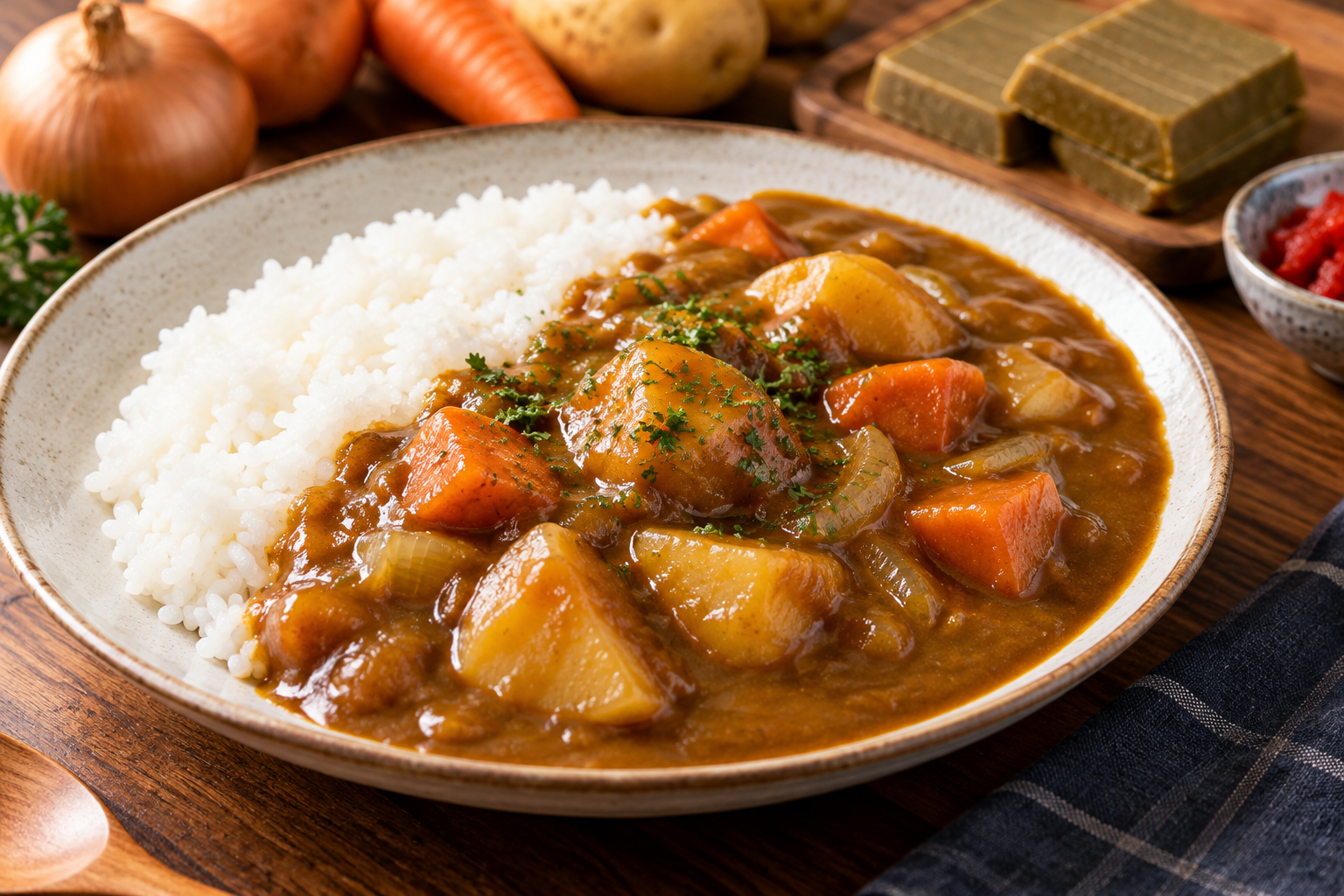
Japanese curry is rich, mildly spiced, slightly sweet, and thick enough to coat a spoon. It is often served over steamed rice with tender potatoes, carrots, and meat or vegetables. Unlike many Indian curries, which build flavor through layered spices and aromatics, Japanese curry often gets its signature taste and texture from a prepared curry roux.
What makes this dish so comforting is not just the seasoning. The balance of sweetness, savory depth, fat, and starch creates a smooth, satisfying sauce that feels almost like a stew. Small details, from how the onions are cooked to when the roux is added, can make a noticeable difference.
As a chef, I find Japanese curry fascinating because it shows how a few carefully balanced ingredients can create a distinctive dish without relying on intense heat. Understanding the science behind its thick sauce and rounded flavor also helps explain why it has become a favorite far beyond Japan.
Quick Answer: What Makes Japanese Curry Different?
Japanese curry is known for its thick, glossy sauce, gentle spice, and balanced sweet-savory flavor. Unlike many Indian curries, it commonly uses a prepared curry roux made with fat, flour, and curry spices to create its characteristic consistency.
Onions cooked until golden add sweetness and depth, while potatoes and carrots make the dish hearty. Some recipes also use apple, honey, or other sweet ingredients to soften the spice and round out the flavor.
The biggest secret is balance. Japanese curry is not designed to be the hottest curry on the table; its appeal comes from a smooth texture, comforting aroma, and flavors that work together in every spoonful.
What Is Japanese Curry Roux, and Why Does It Make the Sauce Thick?
The secret behind Japanese curry’s signature texture is often the curry roux. It is typically made by combining fat, flour, and curry spices into a concentrated base. Commercial curry roux blocks may also contain salt, sugar, and other seasonings that create a consistent flavor from one batch to the next.
The flour does more than add body. When the roux dissolves into hot liquid and cooks, its starch absorbs water and swells, helping the sauce become thick and smooth. The fat helps distribute the spices and contributes to the curry’s rich mouthfeel.
Japanese curry is a great example of food science in action, showing how starch, heat, and fat work together to create a thick, smooth sauce.
This is why Japanese curry behaves differently from a thin, broth-based curry. Its sauce clings to rice instead of running straight to the bottom of the plate.
Chef RBS’s kitchen observation: Add the roux when the vegetables and other ingredients are nearly tender, then stir gently over low heat until it dissolves completely. Boiling aggressively after thickening can make the sauce stick to the pan, so patience and steady stirring are worth the effort.
Why Does Japanese Curry Taste Sweet and Savory?
Japanese curry has a distinctive balance of savory, sweet, and mildly spiced flavors. That balance comes from several ingredients working together rather than one dominant spice.
Onions are a major part of the flavor. When cooked slowly, they soften and develop a deeper sweetness through browning reactions. This adds complexity that raw or lightly cooked onions cannot provide.
Some recipes also include apple, honey, or other sweet ingredients. These can soften the perception of spice and create a rounder flavor, while ingredients such as stock, meat, and curry seasonings contribute savory depth.
The result is not simply a sweet curry. It is a carefully balanced sauce in which sweetness, saltiness, spice, and richness support one another.
The savory depth of Japanese curry also connects to umami, the fifth taste, which helps explain why certain ingredients make a dish taste fuller and more satisfying.
Chef RBS’s perspective: If your Japanese curry tastes flat, adding more curry powder is not always the answer. Cook the onions properly, check the salt level, and allow the sauce to simmer gently. Better flavor often comes from building the base well rather than adding more seasoning at the end.
Japanese Curry vs. Indian Curry: What’s the Difference?
Japanese curry and Indian curry share a broad connection through spices, but their flavors, textures, and cooking methods can be quite different. Neither style has just one recipe, so the differences depend on the region, ingredients, and cook.
Japanese curry is commonly thick, mild, and gently sweet. Many home cooks use prepared curry roux blocks, which combine flour, fat, and seasonings to create a smooth sauce. Potatoes, carrots, onions, and meat or vegetables are common additions, with steamed rice served alongside.
Indian curries cover a much wider range of regional styles. Many build flavor by cooking spices with onions, ginger, garlic, tomatoes, or other ingredients. Some have thin, aromatic gravies, while others are thick, creamy, or richly reduced. Heat levels also vary considerably.
The key difference is not simply that one is spicy and the other is mild. Japanese curry often relies on a prepared roux for its signature thickness, while many Indian curries develop their character through individually prepared spice bases and regional techniques.
From a chef’s perspective, both approaches offer useful lessons. A prepared roux provides consistency and convenience, while building a curry base from individual ingredients gives the cook more control over its aroma, flavor, and final texture.
How to Make Japanese Curry Taste Better at Home
A good Japanese curry does not need dozens of ingredients. The difference between an ordinary curry and a memorable one often comes down to how carefully you build the flavor and manage the sauce.
1. Cook the onions slowly. Let them soften and turn golden before adding the other ingredients. This develops sweetness and deeper flavor that a quick sauté may not achieve.
2. Brown the meat, if using it. A little browning adds savory depth. For a vegetarian version, try browning mushrooms to bring a similar roasted quality to the dish.
3. Cut vegetables evenly. Potatoes and carrots should be similar in size so they cook at roughly the same rate. This helps prevent some pieces from turning mushy while others remain firm.
4. Add the curry roux at the right time. Once the vegetables are tender, lower the heat and dissolve the roux gradually, stirring to prevent lumps. Follow the package instructions because products vary.
5. Simmer gently. Give the sauce time to come together, but avoid vigorous boiling once it has thickened. Stir the bottom of the pan regularly to prevent sticking.
6. Adjust the balance, not just the spice. If the curry tastes flat, check the salt first. If it feels too heavy, a small splash of water or stock may help. Add sweet ingredients sparingly because many prepared roux products already contain sugar.
Chef RBS’s advice: Taste the curry before serving it over rice. The sauce should be flavorful enough to complement the rice without becoming overwhelmingly salty, sweet, or thick. That balance is what makes every spoonful satisfying.
Is Japanese Curry Healthy?
Japanese curry can be part of a balanced meal, but its nutritional value depends on the ingredients, portion size, and preparation method. A homemade version with plenty of vegetables, a sensible amount of protein, and a moderate serving of rice can make a satisfying meal.
Potatoes and carrots provide carbohydrates, fiber, and useful micronutrients. Adding chicken, tofu, beans, or other protein sources can make the meal more filling. Onions contribute flavor, while mushrooms and other vegetables add variety.
The main consideration is the curry roux. Commercial varieties can contain substantial amounts of sodium and may include added sugar and saturated fat, depending on the product. Serving the curry with a large portion of rice can also increase the meal’s overall energy content.
What should you actually do? Check the roux’s nutrition label, add extra vegetables, choose a protein you enjoy, and adjust the rice portion to suit your needs. You can also make a lighter sauce by using less roux and carefully adjusting the consistency, although this will change the traditional texture.
From a chef’s perspective, healthy cooking should not mean removing everything that makes a dish enjoyable. The goal is to balance flavor, portion size, and ingredients while keeping the meal satisfying.
Japanese Curry Mistakes That Can Ruin the Sauce
Japanese curry is relatively simple to prepare, but a few small mistakes can affect its texture and flavor. The good news is that most are easy to avoid once you understand how the sauce behaves.
Adding roux over high heat: Curry roux thickens the liquid as its starch cooks. Adding it without lowering the heat or stirring properly can lead to lumps or sauce sticking to the bottom of the pan.
Undercooking the onions: Onions contribute much of the curry’s sweetness and depth. Cooking them for only a short time can leave the flavor sharper and less developed.
Overcooking the vegetables: Potatoes that break apart excessively can make the sauce heavy and grainy. Cut vegetables evenly and check their tenderness before adding the roux.
Adding too much water: A thin sauce can lose the characteristic texture of Japanese curry. Add liquid gradually and remember that the sauce will thicken as it simmers.
Seasoning without tasting: Prepared roux already contains seasonings, and different brands vary in saltiness and sweetness. Taste before adding extra salt, sugar, or other seasonings.
Boiling too aggressively after thickening: A thick curry can scorch easily, particularly in a pan with a thin base. Keep the heat low and stir the bottom regularly.
The professional lesson is simple: Japanese curry rewards control more than complexity. Properly cooked onions, evenly prepared vegetables, gentle simmering, and careful seasoning will usually make a bigger difference than adding extra ingredients.
Chef RBS Verdict: Why Japanese Curry Is So Comforting
Japanese curry is a great example of how technique can transform simple ingredients into something memorable. Onions bring sweetness, the curry roux creates a smooth and thick sauce, and vegetables add texture and substance. Each component has a purpose, and the final result depends on how well they work together.
What I appreciate most about Japanese curry is its balance. It does not need extreme heat or an elaborate list of spices to deliver flavor. Instead, it relies on a well-developed base, gentle seasoning, and a sauce that coats the rice beautifully.
For home cooks, the biggest lesson is to focus on the fundamentals before experimenting. Cook the onions properly, avoid overcooking the vegetables, and give the roux time to blend into the liquid. Once you understand these basics, you can explore vegetarian versions, different proteins, or your own preferred level of sweetness.
Japanese curry reminds us that great food is not always about adding more. Sometimes, the real skill lies in understanding a few ingredients and making each one count.
Japanese Curry FAQs
1. What makes Japanese curry different from Indian curry?
Japanese curry is commonly thicker, milder, and slightly sweeter. Many versions use a prepared roux made with flour, fat, and curry spices, while Indian curries cover a wide range of regional techniques and spice bases.
2. Why is Japanese curry so thick?
The flour in the curry roux contains starch that absorbs water and thickens the sauce during cooking. Gentle simmering and stirring help create its characteristic smooth consistency.
3. What is Japanese curry roux made of?
Japanese curry roux typically contains fat, flour, and curry spices. Commercial blocks may also include salt, sugar, and other seasonings, so ingredients vary by brand.
4. Can Japanese curry be vegetarian?
Yes. You can make it with potatoes, carrots, onions, mushrooms, tofu, or other vegetables. Check the roux label carefully because some products contain meat-derived ingredients or other animal products.
5. How do you make Japanese curry less salty?
Use a lower-sodium roux if available, avoid adding extra salt before tasting, and increase the amount of unsalted vegetables or liquid as appropriate. Adding more water can reduce the intensity but may also thin the sauce.
6. What is Japanese curry usually served with?
Steamed white rice is the classic accompaniment. Japanese curry is also served with udon noodles or alongside crispy breaded cutlets in dishes such as katsu curry.
Final Takeaway: Japanese Curry Is All About Balance
Japanese curry proves that comforting food does not need complicated techniques or dozens of ingredients. A well-cooked onion base, a carefully prepared roux, tender vegetables, and gentle simmering create its signature rich, smooth sauce.
Once you understand the science behind its thickness and the balance of sweet and savory flavors, you can make better Japanese curry at home and adapt it to your own taste.
The chef’s secret is simple: build the flavor patiently, control the texture, and let the ingredients do their work.