Food Safety Temperatures: Safe Internal Cooking Temperatures
Food Safety Temperatures: Why They Matter
Food safety starts with something as simple as knowing when food is actually cooked safely. A dish may look ready on the outside, but its center can still be at a temperature where harmful bacteria may survive.
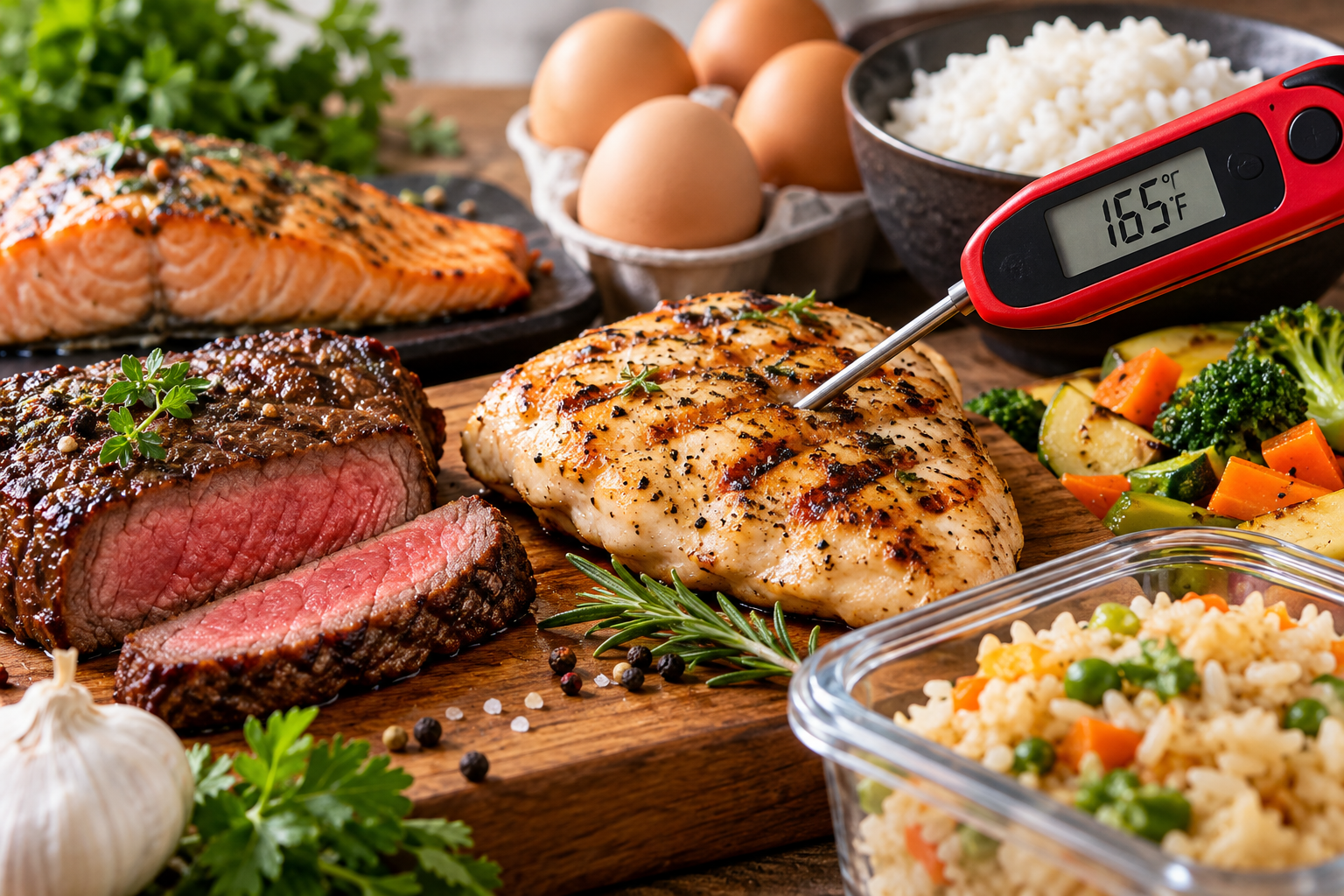
In professional kitchens, I don’t rely on appearance alone. I use a food thermometer to check the internal temperature of meat, poultry, fish, egg dishes, and other cooked foods.
The correct cooking temperature is different for different foods. Knowing these temperatures helps you protect your customers, your family, and your kitchen while avoiding unnecessary overcooking.
In this guide, I’ll explain the safe internal cooking temperatures used in the United States, where to check the temperature, how to use a food thermometer correctly, and some practical chef tips for safer cooking.
Let’s start with the most important temperatures to know.
1. Safe Internal Cooking Temperatures
The safest way to know whether food is properly cooked is to check its internal temperature with a food thermometer. The temperature should be measured in the thickest part of the food, avoiding bones, fat or gristle when possible.
| Food | Minimum Internal Temperature |
|---|---|
| Beef, bison, veal, goat & lamb steaks, roasts, and chops | 145°F (63°C) + 3-minute rest |
| Pork steaks, roasts, and chops | 145°F (63°C) + 3-minute rest |
| Ground meat & sausage | 160°F (71°C) |
| Poultry, including chicken & turkey | 165°F (74°C) |
| Fish | 145°F (63°C) |
| Egg dishes | 160°F (71°C) |
| Leftovers | 165°F (74°C) |
| Casseroles | 165°F (74°C) |
2. Why Internal Temperature Matters
Food can look fully cooked on the outside while the center has not reached a safe temperature. This is especially important with thicker cuts of meat, poultry, ground meat, and dishes that cook unevenly.
As a chef, I don’t use color alone to decide whether food is safe. I check the internal temperature with a food thermometer, measuring the thickest part of the food and avoiding bone, fat, or gristle.
Reaching the recommended minimum temperature gives you a clear safety check instead of relying only on appearance or cooking time.
Chef RBS tip: Cooking time is a guide. Internal temperature is the check.
3. How to Use a Food Thermometer
A food thermometer is only useful when you place it correctly. Insert the probe into the thickest part of the food, because this area usually takes the longest to reach a safe temperature.
For meat and poultry, avoid touching bones, fat, or gristle, as these can give you a misleading reading. For thin foods such as burgers or chicken breasts, insert the probe from the side so the sensing area reaches the center.
Wait until the thermometer reading becomes stable before making your decision.
Chef RBS tip: Don’t check only the surface. Check the coldest or thickest point of the food.
4. Where to Check the Temperature
The correct spot matters just as much as the thermometer itself.
For thick foods, place the thermometer probe into the center of the thickest part. With irregularly shaped foods, check more than one area because different parts can cook at different rates.
For poultry, check the thickest part of the breast and the innermost part of the thigh or wing. Avoid touching the bone when taking the reading.
For ground meat, check the center of the thickest portion, especially when cooking burgers or meatloaf.
For casseroles and leftovers, check the center of the dish, where heating can be slower than around the edges.
Chef RBS tip: When in doubt, check two or three different spots. The lowest reading is the one I pay attention to.
5. The Food Safety Temperature Danger Zone
Bacteria can multiply quickly when food stays at unsafe temperatures. In the United States, 40°F to 140°F (4°C to 60°C) is commonly referred to as the food temperature danger zone.
Keep cold foods at 40°F (4°C) or below and hot foods at 140°F (60°C) or above. When food is held between these temperatures, limit the time it spends there and refrigerate perishable foods promptly.
This is particularly important during buffets, catering, meal preparation, and food delivery, where food may remain outside refrigeration or hot holding for extended periods.
Chef RBS tip: Cooking food safely is only half the job. Keeping it at a safe temperature after cooking is just as important.
6. Safe Food Temperatures for Reheating
Reheating is not simply about making food hot again. Leftovers and casseroles should be reheated to 165°F (74°C) to help ensure they are safe to eat.
When reheating food, check the temperature in the thickest or coolest part rather than relying on steam or appearance. For foods heated in a microwave, stir or rotate the food when appropriate so that cold spots are reduced, then check the temperature.
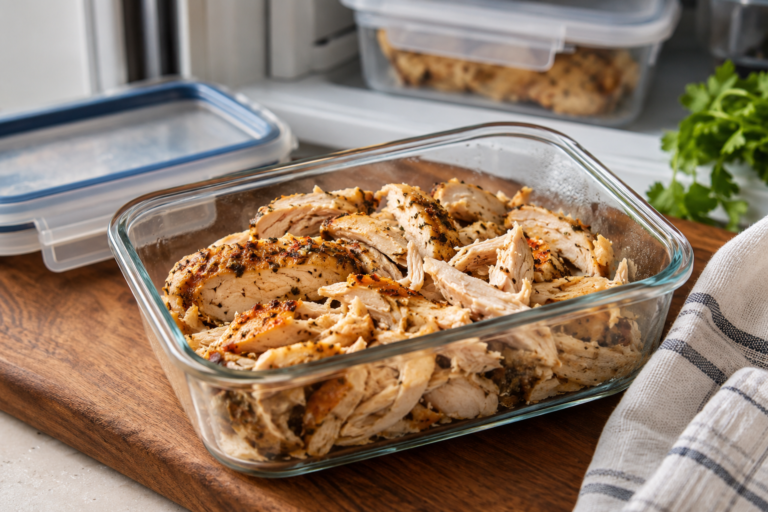
For stored leftovers, use shallow containers when refrigerating so food can cool more quickly and evenly.
Chef RBS tip: Reheating should bring the center of the food to 165°F (74°C), not just make the surface feel hot.
7. Common Food Safety Temperature Mistakes
Even experienced cooks can make temperature mistakes when they are busy. The most common problems are simple:
- Checking only the surface instead of the thickest part
- Relying on color to decide whether meat is safe
- Using cooking time alone without checking the internal temperature
- Not checking different areas of large or uneven foods
- Forgetting the required rest time for certain whole cuts of meat
- Not checking leftovers after reheating
- Leaving cooked food at unsafe holding temperatures for too long
A food thermometer helps remove much of the guesswork from cooking.
Chef RBS tip: Keep your thermometer clean, calibrated according to the manufacturer’s instructions, and easy to reach. If it’s hidden in a drawer, you’re less likely to use it.
8. Safe Food Temperatures for Food Holding
Cooking food to a safe temperature is important, but holding food safely after cooking matters too.
For hot food service, keep food at 140°F (60°C) or above. Cold foods should be kept at 40°F (4°C) or below. This is especially important for buffets, catering, restaurants, and prepared meals that may sit for extended periods.
Use a thermometer to check the actual food temperature rather than relying on the temperature of the serving container or equipment display.
Chef RBS tip: Safe cooking gets food ready to serve. Safe holding keeps it safe until it reaches the customer.
9. Resting and Checking Food After Cooking
Some foods continue cooking after they are removed from the heat. This is particularly important for whole cuts of beef, pork, lamb, veal, and similar meats, which FoodSafety.gov recommends cooking to 145°F (63°C) and allowing a 3-minute rest.
The rest time is part of the safety guidance, not just a technique for improving texture. Keep the thermometer reading in mind when checking the food and follow the recommended temperature and rest time for that particular food.
Chef RBS tip: Don’t rush the final step. Temperature plus the recommended rest time gives you a more reliable safety check.
10. Food Safety Temperatures for Different Foods
Not every food needs to reach the same internal temperature. The required temperature depends on the type of food and how it is prepared.
For example, poultry requires 165°F (74°C), while whole cuts of beef, pork, lamb, and similar meats generally require 145°F (63°C) with a 3-minute rest. Ground meats require 160°F (71°C) because grinding can distribute bacteria throughout the meat.
This is why using one temperature for every food is not a good approach.
Chef RBS tip: Learn the temperature for the food you’re cooking instead of trying to memorize one universal number.
11. Quick Food Safety Temperature Reference
When you’re cooking in a busy kitchen, you don’t always have time to read a long explanation. Keep this quick reference nearby:
| Food | Safe Minimum Temperature |
|---|---|
| Beef, bison, veal, goat & lamb | 145°F (63°C) + 3-minute rest |
| Pork | 145°F (63°C) + 3-minute rest |
| Ground meat & sausage | 160°F (71°C) |
| Poultry | 165°F (74°C) |
| Fish | 145°F (63°C) |
| Egg dishes | 160°F (71°C) |
| Leftovers | 165°F (74°C) |
| Casseroles | 165°F (74°C) |
| Hot holding | 140°F (60°C) or above |
| Cold holding | 40°F (4°C) or below |
These temperatures follow the current U.S. guidance from FoodSafety.gov.
Chef RBS tip: Save this chart or keep a copy in your kitchen. A quick temperature check can prevent a much bigger food safety problem.
12. Final Chef RBS Takeaway
Food safety temperatures don’t need to be complicated. The key is to know the recommended temperature for the food you’re cooking and check the internal temperature with a reliable food thermometer.
Don’t depend only on appearance, cooking time, or experience. A thermometer gives you an objective check, especially when cooking meat, poultry, seafood, and egg dishes and reheating leftovers.
In my kitchen, I look at temperature as one simple habit that supports consistent cooking and food safety.
Chef RBS takeaway:
Cook safely. Check the temperature. Hold food safely. Don’t guess.
13. Frequently Asked Questions About Food Safety Temperatures
What temperature is considered safe for chicken?
Chicken and other poultry should reach a minimum internal temperature of 165°F (74°C). Check the thickest part of the food with a food thermometer.
What temperature should ground meat reach?
Ground meat and sausage should reach 160°F (71°C) internally.
What temperature should fish be cooked to?
Fish should reach 145°F (63°C). FoodSafety.gov also notes that fish can be cooked until the flesh is no longer translucent and separates easily with a fork.
What temperature should leftovers reach when reheated?
Leftovers should be reheated to 165°F (74°C). Check the thickest or coolest part rather than judging by how hot the food looks or feels.
What is the food temperature danger zone?
The food temperature danger zone is generally 40°F to 140°F (4°C to 60°C). Keep cold foods at 40°F or below and hot foods at 140°F or above.
14. Conclusion
Food safety temperatures are one of the simplest tools we have for reducing food safety risks in the kitchen. Knowing the correct temperature for each type of food, using a thermometer properly, and maintaining safe holding temperatures can make a real difference.
As a chef, I see temperature checking as part of good kitchen discipline, not an extra step.
Cook with confidence, check the temperature, and never guess when food safety is involved.


One Comment