Why Does Avocado Turn Brown? The Science of Oxidation
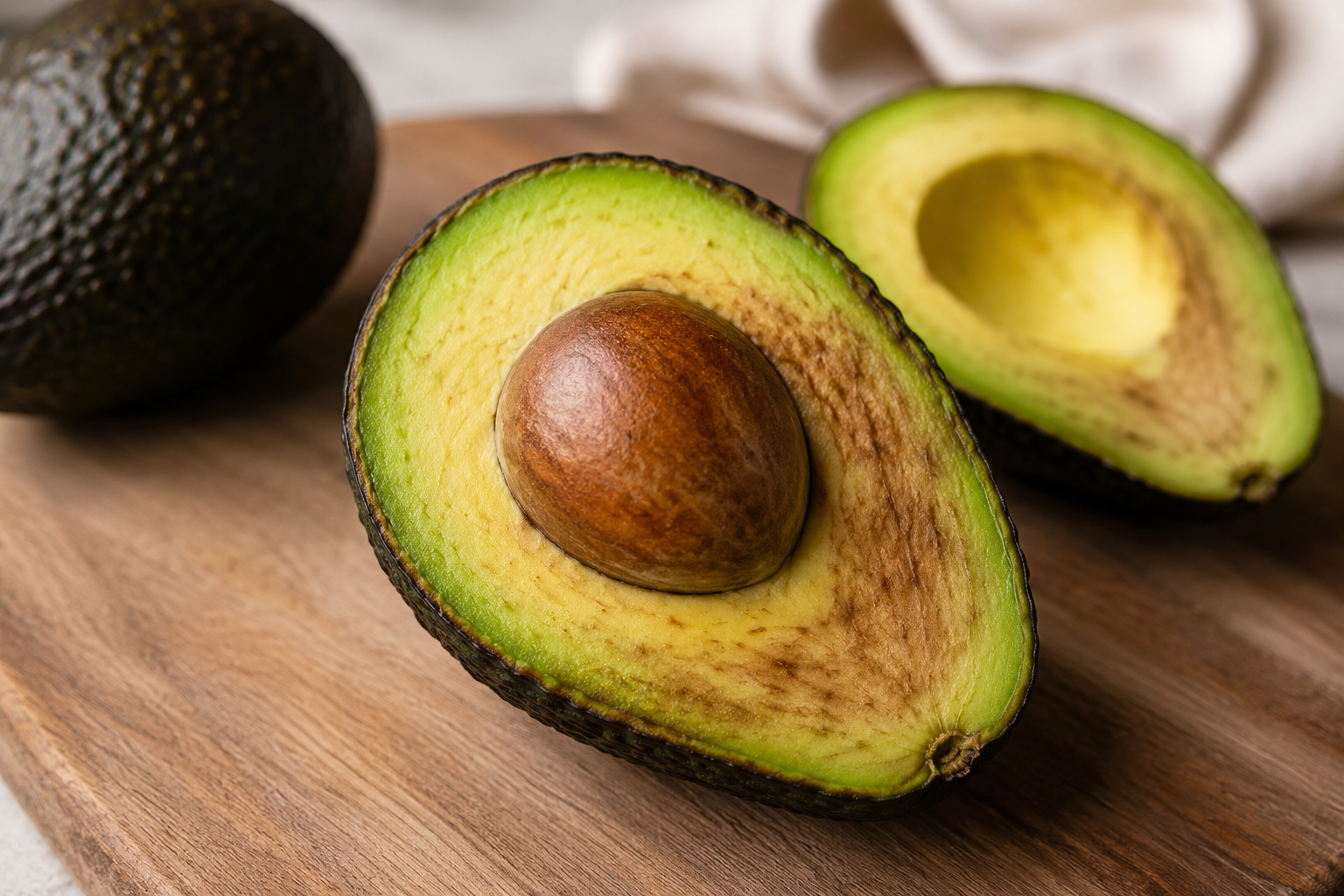
Cut open an avocado and leave it on the counter for a while, and you’ll notice the bright green flesh gradually turning brown. But why does this happen, and does a brown avocado mean it has gone bad?
The answer is oxidation. Once the avocado’s flesh is exposed to oxygen, natural enzymes trigger chemical reactions that change its color.
In this guide, Chef RBS explains why avocados turn brown, whether browned avocado is safe to eat, and the simple ways you can slow down the browning process.
Oxygen Causes the Browning
When you cut an avocado, its inner flesh is exposed to oxygen in the air. This triggers a natural process called enzymatic browning.
An enzyme called polyphenol oxidase (PPO) reacts with certain compounds in the avocado when oxygen is present. This produces darker-colored compounds called melanins, which create the familiar brown appearance.
The reaction happens more quickly when more of the avocado’s surface is exposed to air.
Chef RBS Tip: That’s why a freshly cut avocado can stay green for a while, but the exposed surface gradually becomes brown.
A Brown Avocado Isn’t Necessarily Spoiled
Browning by itself does not automatically mean an avocado has gone bad. Enzymatic browning mainly affects the color and can change the flavor or texture near the exposed surface.
Before eating a browned avocado, check for other signs of spoilage such as mold, an unpleasant odor, unusual sliminess or extensive deterioration.
If only the surface has browned and the avocado otherwise looks and smells normal, the browned portion can often be removed before using the remaining flesh.
Chef RBS Tip: Don’t judge an avocado’s freshness by color alone. Look at the whole avocado—appearance, smell and texture all matter.
Lemon Juice Can Slow Browning
One simple way to slow avocado browning is to reduce the avocado’s exposure to oxygen. Acidic ingredients such as lemon or lime juice can help slow the enzymatic browning reaction.
This is one reason citrus juice is commonly added to guacamole. It can help preserve the avocado’s color while also adding brightness and flavor.
Chef RBS Tip: Add a small amount of fresh lemon or lime juice to cut avocado or guacamole, especially if you aren’t serving it immediately.
Keeping the Pit in the Avocado Doesn’t Stop Browning
You may have heard that leaving the avocado pit in the bowl will keep the avocado from turning brown. It doesn’t protect the entire avocado.
The pit only covers the small area directly underneath it, reducing oxygen exposure in that spot. The rest of the exposed avocado is still in contact with air and can continue to brown.
Chef RBS Tip: Instead of relying on the pit, cover the exposed avocado surface as closely as possible and refrigerate it. Reducing contact with air is the key.
Refrigeration Helps Slow the Browning Process
Cold temperatures can slow down the chemical reactions responsible for enzymatic browning. That’s why storing cut avocado in the refrigerator can help it stay green for longer.
However, refrigeration doesn’t completely stop browning. The exposed surface can still darken over time, especially when air can reach it.
Chef RBS Tip: If you’re saving half an avocado, keep it refrigerated and reduce the amount of exposed surface in contact with air. A well-fitting container or tightly sealed food wrap can help.
Cutting the Avocado Too Early Can Increase Browning
Once an avocado is cut, the flesh is exposed to oxygen and the browning process begins. The longer the cut surface is exposed to air, the more opportunity there is for enzymatic browning to occur.
This is why an avocado prepared shortly before serving usually looks fresher and greener than one that was cut several hours earlier.
Chef RBS Tip: If you’re preparing guacamole or sliced avocado for a meal, cut it as close to serving time as practical. If you need to prepare it ahead, cover the surface well and refrigerate it.
How to Keep Avocado Green for Longer
You can’t completely stop an avocado from browning once it is cut, but you can slow the process down.
The most useful techniques are:
- Add a little lemon or lime juice.
- Reduce the avocado’s exposure to air.
- Cover the exposed surface closely.
- Store cut avocado in the refrigerator.
- Cut it as close to serving time as practical.
These methods work because they reduce oxygen exposure or slow the chemical reactions that cause enzymatic browning.
Chef RBS Tip: For guacamole, press food wrap directly against the surface before refrigerating. The less air touching the avocado, the slower the browning.
How to Stop Avocado From Turning Brown
Avocado browning is a natural chemical reaction, not an automatic sign that the fruit has spoiled. Once the flesh meets oxygen, enzymatic browning begins and the color gradually changes.
The good news is that you can slow the process by reducing air exposure, using a little citrus juice, keeping the avocado cold and preparing it closer to serving time.
Chef RBS Tip: The next time your avocado turns slightly brown, don’t throw it away immediately. Check its smell, texture and overall condition first. A little surface browning can simply be the result of oxidation.