Tinned Fish Trend: Why Canned Seafood Is Booming in America
Walk into an American grocery store today and you may notice something that would have seemed unusual a few years ago: cans and tins of sardines, tuna, mussels, oysters, and other seafood are getting more attention.
The tinned fish trend is turning canned seafood from a basic pantry ingredient into something people actively seek out. Consumers are using it for quick lunches, snacks, salads, toast, pasta, and easy meals at home.
So what is driving this renewed interest? Convenience, protein, shelf life, affordability, and the growing interest in simple foods all play a role. For chefs and food businesses, tinned seafood also offers an interesting combination of versatility, low preparation time, and strong menu potential.
In this article, Chef RBS breaks down why tinned fish is becoming more popular in America, what consumers are buying, how chefs are using it, and where this food trend could go next.
What Is the Tinned Fish Trend?
“Tinned fish” simply means seafood that has been cooked, preserved, and packed in a sealed can or tin. Depending on the product, it may be packed in oil, water, sauce, or another flavorful liquid.
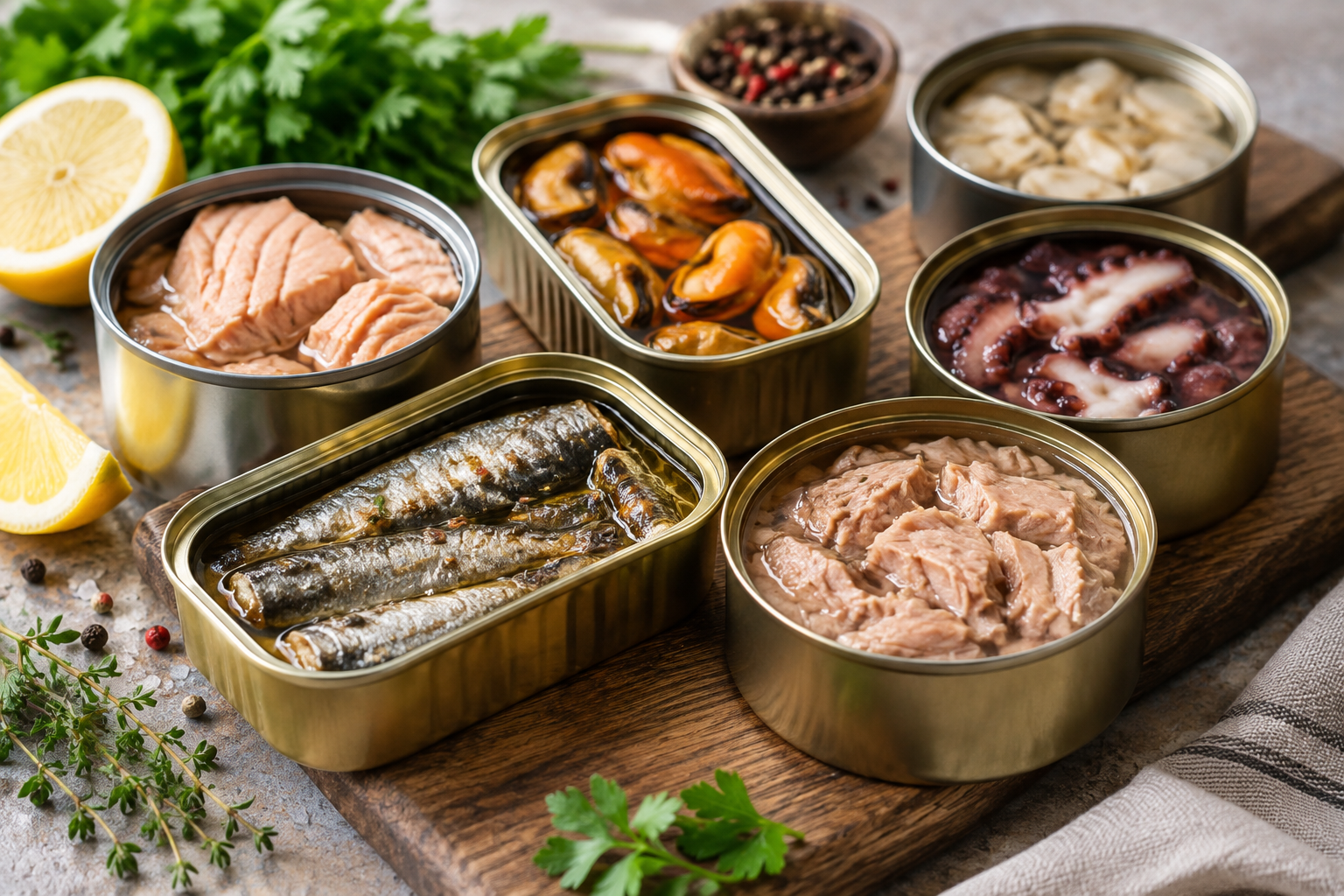
Sardines, tuna, mackerel, anchovies, oysters, mussels, and salmon are among the seafood products commonly sold this way.
What makes the current tinned fish trend interesting is the change in how people think about these products. Instead of treating canned seafood only as an emergency pantry item, more consumers are incorporating it into everyday meals.
A tin can become a quick protein source for lunch, a topping for toast, an ingredient in pasta, part of a salad or the starting point for a simple snack plate.
For busy households, that convenience matters. There is no cleaning, filleting, or lengthy cooking process required. Open the tin, drain it, or use the flavorful liquid, and the seafood is ready to eat or add to another dish.
The format also fits naturally with the modern interest in convenient foods that can provide protein without requiring much preparation.
Why Is Tinned Fish Becoming So Popular?
The renewed interest in tinned fish is not coming from just one food trend. Several changes in the way Americans shop and eat are coming together.
Convenience is a major factor. Tinned seafood is ready to eat, easy to store, and requires very little preparation. That makes it attractive for people looking for quick meals during busy days.
Protein is another important reason. Tuna, sardines, salmon, mackerel, and other seafood can provide substantial protein in a convenient format. As protein continues to influence food choices, shelf-stable seafood gives consumers another option beyond meat, dairy, and protein-focused packaged foods.
Shelf life also gives canned seafood an advantage. Unlike fresh seafood, an unopened tin can be stored in the pantry for a long time. This makes it practical for households that want seafood available without planning a trip to the seafood counter.
There is also a cultural shift happening around the product. Tinned fish is increasingly being presented as something to enjoy rather than simply something to keep in the cupboard.
For food brands, that change in perception creates opportunities to introduce better flavors, premium seafood, attractive packaging, and convenient meal ideas.
Which Types of Tinned Fish Are Americans Buying?
Tinned fish is not limited to traditional canned tuna. The category has expanded into a much wider selection of seafood, giving consumers more flavors, textures, and price points to choose from.
Sardines are one of the best-known options. They have a strong flavor and can be eaten straight from the tin, added to toast, mixed into salads, or incorporated into pasta dishes.
Tuna remains a familiar choice because of its versatility. It works in sandwiches, salads, pasta, wraps, and quick protein-focused meals.
Mackerel offers a richer, more distinctive flavor and is increasingly appearing in recipes where the fish itself becomes the main ingredient.
Anchovies have a different role. Rather than always being served as a main protein, they are often used to add savory depth to sauces, dressings, pizzas, and pasta.
Then there are products such as mussels, oysters, and smoked seafood, which can turn tinned fish into a more premium eating experience.
This variety is important because it allows the tinned fish category to move beyond one traditional image. Consumers can choose between familiar everyday products and more specialized seafood depending on their taste, budget, and how they plan to use them.
Why Tinned Fish Fits the Modern American Kitchen
One reason the tinned fish trend has gained attention is that it fits several habits already shaping the American food market.
People are looking for foods that are quick, versatile, and easy to keep at home. Tinned seafood checks all three boxes.
A tin can stay in the pantry until it is needed, which means a meal does not always have to begin with a shopping trip. It can also be combined with ingredients already available in the kitchen.
For example, sardines can be served with toast and vegetables, tuna can become a quick sandwich or salad, and mackerel can be added to rice or pasta. A small amount of anchovy can also bring a deep savory flavor to a sauce without making seafood the main focus of the dish.
There is another advantage that chefs understand well: portion flexibility. Tinned seafood can be used as the main protein in a dish or as a smaller ingredient that adds flavor and texture.
That makes it particularly interesting for simple home cooking, meal preparation, and restaurant dishes where speed and consistency matter.
The result is a category that can fit everything from a five-minute snack to a carefully designed restaurant plate.
How Chefs Are Using Tinned Fish
For chefs, tinned seafood is more than a convenient pantry product. It can be a practical ingredient for building flavor, texture, and quick dishes.
A simple tin of sardines can be combined with lemon, herbs, vegetables, and toasted bread for a fast appetizer. Tuna can be incorporated into salads, sandwiches, pasta, and rice dishes. Mackerel can bring a rich seafood flavor to grain bowls or warm dishes.
Anchovies are especially useful in professional kitchens because they can contribute a deep savory character to sauces, dressings, and cooked dishes without necessarily being the dominant flavor.
The key is treating the seafood according to its character rather than using every product in the same way.
Premium tinned seafood can also work as a finished ingredient. Instead of hiding it inside a recipe, chefs can serve it alongside good bread, pickled vegetables, fresh herbs, citrus, or a simple salad.
This approach requires little cooking but can still create a dish that looks intentional and restaurant-ready.
For food businesses, that combination of convenience and culinary flexibility makes tinned seafood an interesting ingredient to watch.
Is Tinned Fish Healthy?
Tinned fish can be a nutritious part of a balanced diet, but the nutritional profile depends on the type of seafood, the preparation method, and what is added to the tin.
Many seafood products provide protein, while some varieties, particularly oily fish such as sardines, mackerel, and salmon, also provide omega-3 fatty acids.
However, not every product is nutritionally identical. Some canned seafood can contain significant amounts of sodium, especially when packed in salty sauces or brines.
The best approach is to look beyond the word “seafood” on the label. Check the protein, sodium, ingredients, and serving size to understand what you are actually buying.
The type of liquid used for packing can also affect the final product. Seafood packed in oil may have a different calorie profile from seafood packed in water, while sauces and seasonings can add additional sodium or other ingredients.
For consumers, the tinned fish trend is therefore not simply about finding a “healthy” food. It is about having another convenient seafood option and choosing products that fit their individual dietary needs.
What Makes Tinned Seafood Different From Fresh Seafood?
Fresh seafood and tinned seafood serve different purposes in the kitchen.
Fresh fish generally requires refrigeration and careful handling and cooking soon after purchase. Tinned seafood has already been processed and sealed, making it much easier to store and use when needed.
That difference can be particularly valuable for busy households. A tin can sit in the pantry and become part of a meal whenever it is convenient.
Tinned seafood can also provide a different eating experience. Cooking and packing can change the texture and flavor of the fish, while ingredients such as olive oil, spices, herbs, or sauces can add another layer of flavor.
For chefs, this creates a useful distinction. Fresh seafood can be the centerpiece of a dish, while tinned seafood can work as a convenient ingredient, flavor builder, or finished component.
Neither format has to replace the other. The growing interest in tinned fish simply gives consumers and chefs another way to use seafood in everyday cooking.
Why Tinned Fish Is Interesting for Food Businesses
The tinned fish trend also creates opportunities beyond the home kitchen.
Restaurants, cafés, and food brands can use shelf-stable seafood in dishes where speed, portion control, and consistency are important. Because the product is already processed and ready to use, kitchen preparation can be simpler than working with fresh seafood for certain applications.
A café could use tuna or sardines in sandwiches and salads. A casual restaurant could build pasta or grain bowls around mackerel. A specialty food business could create a premium seafood board with tinned fish, good bread, pickles, and sauces.
There is also potential for value-added products. Instead of selling seafood only as a basic canned ingredient, brands can build products around flavor combinations, meal occasions, and convenient serving ideas.
Packaging and presentation matter here as well. When consumers see tinned seafood as an intentional food choice rather than simply a backup pantry item, the product can support a more premium positioning.
From a chef’s perspective, the opportunity is simple: take a convenient ingredient and give it a strong culinary purpose.
The Premium Side of the Tinned Fish Trend
One of the most interesting changes is that tinned seafood is no longer limited to basic everyday products.
Specialty retailers and food brands are increasingly presenting seafood in ways that emphasize quality, origin, flavor, and presentation. Different fish varieties, oils, sauces, and seasonings can turn a simple tin into a more distinctive food experience.
This opens the door to a premium segment where the product can be served almost like a ready-to-eat appetizer.
A simple combination of quality tinned fish, toasted bread, fresh herbs, pickled vegetables, and a squeeze of lemon can create a dish with very little preparation.
For consumers, this makes tinned seafood more versatile. For food businesses, it creates opportunities to build products and menus around convenience without making the food feel ordinary.
The important lesson is that the value of tinned seafood does not come only from the can itself. How the product is sourced, flavored, presented, and used can completely change the eating experience.
What Is Driving the Tinned Fish Trend?
The growth of tinned fish reflects several broader changes in the way people approach food.
Convenience is one of the clearest factors. Tinned seafood is ready to use and does not require the preparation associated with fresh fish.
Protein-focused eating is another influence. Consumers looking for convenient protein sources have more choices than ever, and seafood can fit naturally into that category.
Pantry cooking is also important. People are increasingly interested in ingredients that can be stored and used when needed. Tinned seafood fits naturally into this style of cooking because it can remain available without taking up refrigerator space.
Finally, there is the appeal of variety. Consumers can experiment with different fish, flavors, and serving styles without committing to a complicated recipe.
These factors help explain why tinned seafood has moved from being viewed mainly as a practical pantry staple toward becoming a more visible part of modern food culture.
How to Choose Tinned Fish at the Store
Not all tinned seafood products are the same, so reading the label is worth the extra few seconds.
Start with the type of fish and the ingredient list. A simple product may contain little more than seafood, oil or water and salt, while flavored products can contain sauces, seasonings and other ingredients.
Next, check the sodium and protein information on the Nutrition Facts label. Serving sizes can vary, so compare products using the same serving amount rather than looking only at the front of the package.
You can also consider the packing liquid. Seafood packed in water, oil or sauce will have different flavor and nutritional characteristics.
Finally, think about how you will use it. A mild tuna may work well for sandwiches and salads, while a richer sardine or mackerel may be better suited to toast, pasta, or a composed appetizer.
The best choice depends on the dish, your taste, and your nutritional needs.
Tinned Fish in Everyday Cooking
The easiest way to understand the appeal of tinned fish is to see how many different meals can start with one tin.
For a quick lunch, tuna can be mixed with vegetables, herbs, and a simple dressing. Sardines can be served over toasted bread with lemon and fresh herbs. Mackerel can be combined with rice, grains, or roasted vegetables for a more substantial meal.
Tinned seafood can also become part of pasta sauces, salads, sandwiches, wraps, and snack plates.
The cooking method is flexible because the seafood is already ready to use. In many recipes, the goal is not to cook the fish for a long time but to combine it with ingredients that complement its natural flavor.
From a chef’s perspective, this makes tinned fish particularly useful for fast recipe development. A single product can move across different cuisines and meal occasions simply by changing the supporting ingredients.
That versatility is one reason the tinned fish trend has potential beyond a short-lived social media moment.
Is Tinned Fish Just a Trend?
The popularity of tinned seafood may have started with renewed consumer interest, but the format itself has been around for generations.
What is changing is how the product is positioned and used.
Instead of being seen only as an inexpensive pantry staple, tinned seafood is increasingly being connected with convenience, protein, specialty foods, and creative cooking.
That gives the category a stronger foundation than a trend based on one particular recipe or social media moment.
Consumer interest can change over time, of course. Specific products and flavors may become more or less popular. But the basic advantages of tinned seafood remain: it is convenient, shelf stable, versatile, and easy to incorporate into meals.
For that reason, the tinned fish trend is worth watching not only as a food trend but also as an example of how an established ingredient can be repositioned for a new generation of consumers.
What This Trend Means for the Future of Seafood
The tinned fish trend shows how an established food can find new relevance when it matches modern eating habits.
Consumers have more options than ever, but convenience remains important. Tinned seafood can provide a simple way to keep seafood available at home without the planning required for fresh fish.
For food companies, the opportunity is to develop products that offer quality, variety, and ease of use. For restaurants and cafés, it can be an ingredient that supports quick preparation and creative menu ideas.
The category may continue evolving through new flavors, different seafood varieties, and more premium products. At the same time, traditional options such as tuna and sardines are likely to remain useful pantry staples.
For chefs, the lesson is particularly interesting: sometimes a food does not need to be completely new to become relevant again. A familiar ingredient, presented in a new way, can create an entirely new food experience.
Frequently Asked Questions About Tinned Fish
Is tinned fish the same as canned fish?
Yes. “Tinned fish” and “canned fish” generally refer to seafood that has been processed and sealed in a container for shelf-stable storage. The terminology often depends on regional usage and branding.
What types of fish are commonly sold in tins?
Common options include tuna, sardines, mackerel, anchovies, salmon, mussels, and oysters. Availability varies by retailer and market.
Can you eat tinned fish straight from the can?
Many commercially packaged tinned seafood products are ready to eat after opening. Always follow the product’s label instructions and check the container for signs of damage or abnormality before consuming.
Is tinned fish a good source of protein?
Many types of tinned seafood provide protein. The exact amount depends on the species and product, so checking the Nutrition Facts label is the best way to compare products.
How should opened tinned fish be stored?
Once opened, leftover seafood should be handled according to the package instructions and appropriate food-safety practices. If you do not plan to eat the remainder immediately, transfer it to a suitable covered container and refrigerate it.
Why is tinned fish becoming popular in America?
The trend connects several consumer interests, including convenience, pantry-friendly foods, protein-rich choices, and greater interest in different seafood varieties.
Final Thoughts
The tinned fish trend is a good example of how traditional foods can become relevant again when they match modern lifestyles.
Canned seafood offers convenience, a long shelf life, and plenty of culinary flexibility. From a quick sandwich or salad to a carefully prepared restaurant appetizer, a simple tin can serve many purposes.
For consumers, it provides another practical way to include seafood in everyday meals. For chefs and food businesses, it opens opportunities for creative dishes, premium presentations, and convenient menu development.
The interesting part is not simply that people are buying more tinned fish. It is the way an old pantry staple is being reimagined for modern American food culture.
As a chef, I will be watching this category closely. Sometimes the next big food trend is not a completely new ingredient. Sometimes it is an old ingredient that people have discovered again.
Chef RBS Take: Why This Trend Matters
From a chef’s perspective, the most interesting thing about tinned fish is not simply its convenience. It is the amount of culinary potential packed into a product that requires almost no preparation.
A good chef can take one basic ingredient and create completely different experiences by changing the bread, sauce, herbs, vegetables, seasoning, or cooking technique around it.
That is why I see tinned seafood as more than a pantry trend. It is a useful reminder that good food does not always require complicated preparation.
For home cooks, it can make seafood easier to include in everyday meals. For food businesses, it can inspire practical dishes that are fast to prepare while still offering room for creativity.