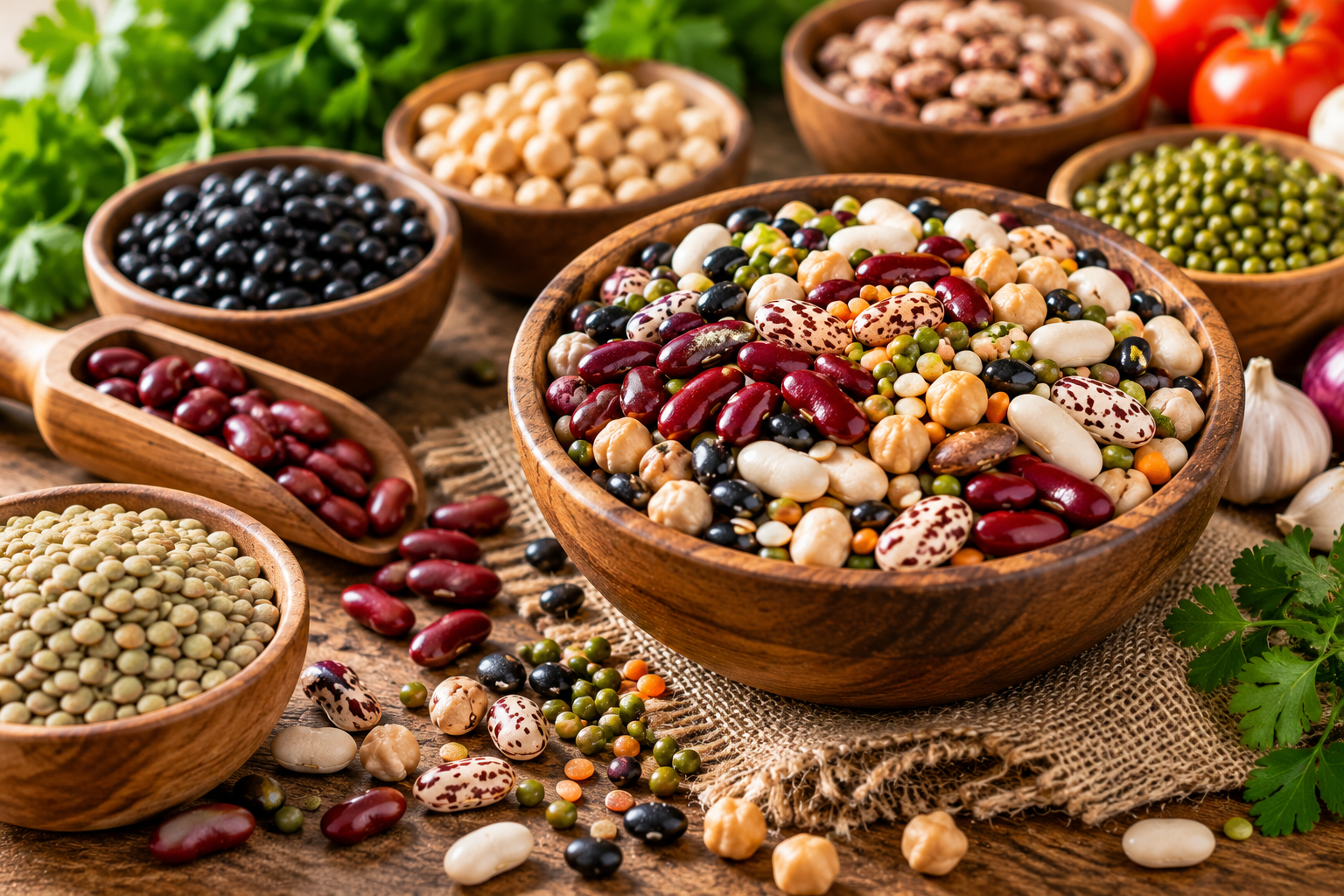
Beans Are Having a Moment: Why This Everyday Food Is Becoming a Food Trend
Beans are having a moment. From supermarket trend predictions to the growing interest in fiber-rich foods and plant-based protein, this everyday pantry staple is getting fresh attention as we move toward 2027.
But beans are more than an affordable source of protein. They bring fiber, texture, flavor, and versatility to the kitchen. With the right cooking techniques, they can become creamy dips, crisp snacks, hearty bowls, rich sauces, or satisfying main dishes.
As a chef, I see their real appeal in how easily they adapt to different cuisines and cooking styles. The secret is knowing which beans to choose, how to prepare them, and how to build flavor without making every dish taste the same.
In this guide, we’ll explore the benefits of beans, the food science behind their nutritional value, and the practical cooking techniques that make them worth a place in the modern kitchen.
Why Are Beans Becoming a Food Trend?
Beans are not a new superfood. They have been part of traditional diets around the world for generations. What is changing is how people think about them.
As interest grows in fiber, plant-based protein, affordable nutrition, and more varied eating habits, beans fit naturally into the conversation. They are familiar, widely available, and flexible enough to work in everything from Mexican black bean bowls and Indian rajma to Mediterranean salads and modern plant-based burgers.
The growing attention is also reflected in food industry trend predictions. Whole Foods Market included “The Bean Boom” in its food trend forecast for 2027, highlighting renewed interest in this everyday ingredient.
From a chef’s perspective, the appeal goes beyond nutrition. Beans can add body to a sauce, create a creamy texture without relying entirely on dairy, or bring substance to a dish at a relatively low ingredient cost.
The real opportunity is not simply eating more beans. It is learning how to make them taste exceptional.
What Makes Beans So Nutritious?
means offering a useful combination of plant-based protein, dietary fiber, complex carbohydrates, and essential minerals. Their exact nutritional profile depends on the variety and how it is prepared.
1. Plant-based protein
Beans provide protein that helps the body maintain and repair tissues. They can be especially useful in meals built around vegetables, whole grains, nuts, and seeds. Combining different plant foods throughout the day helps provide a broader range of essential amino acids.
2. Dietary fiber
One of the standout features of beans is their fiber content. Beans contain different types of fiber, including fermentable fibers that gut microbes can use. For another look at fiber-rich foods, explore our guide to chia seeds in water for weight loss. This is one reason beans are often discussed in conversations about digestive health and fiber-rich eating.
3. Complex carbohydrates
Beans contain carbohydrates that provide energy, along with fiber and protein that influence how the food is digested. Their effects on blood glucose can vary by bean variety, processing, portion size, and what else is served with the meal.
4. Minerals and other nutrients
Depending on the variety, beans can contribute folate, iron, potassium, magnesium, and other nutrients. However, the amount your body absorbs is not always the same as the amount listed in a nutrition chart. For detailed nutrient information, you can also consult the USDA FoodData Central database.
A chef’s takeaway: Beans are nutritionally valuable because several useful nutrients come together in one ingredient. Their value becomes even greater when they are part of a varied, balanced diet rather than treated as a miracle food.
The Cooking Science: Why Bean Preparation Matters
Have you ever cooked beans that stayed firm for too long, turned mushy, or lacked flavor? The problem is often preparation rather than the beans themselves.
Understanding a few basic principles can make a noticeable difference in the kitchen.
1. Soaking helps with preparation.
Soaking many dried beans in water before cooking allows them to absorb moisture and can reduce cooking time. The time saved depends on the bean variety, its age, and the cooking method. Lentils and some smaller legumes may not need soaking.
2. Heat softens the beans.
Dried beans contain starch, proteins, and cell structures that change during cooking. As moisture and heat penetrate the beans, their structure softens and their texture becomes more pleasant to eat. Older dried beans may take longer to become tender.
3. Acidity can slow softening.
Ingredients such as tomatoes, vinegar, and lemon juice can slow the softening of beans when added early in cooking. For a more predictable result, cook dried beans until they are tender before adjusting the acidity of a tomato-based sauce or adding a sour finishing ingredient.
4. Salt and seasoning deserve attention.
Salt does not automatically make beans tough. In fact, salting the cooking water appropriately can improve seasoning throughout the bean. For the best results, balance salt with aromatics, spices, herbs, and the final sauce rather than relying on salt alone.
5. Texture is a cooking decision.
For salads, beans should hold their shape. For dips and spreads, a softer texture is usually better. For thick soups, some beans can be mashed to release starch and create a fuller consistency without adding cream.
Chef RBS tip: Decide the final use before choosing the cooking method. The same bean can produce very different results depending on how much moisture it absorbs, how long it cooks, and how it is finished.
Types of Beans and How to Use Them in the Kitchen
Not all beans behave the same way. Some become creamy when cooked, while others hold their shape and work better in salads. Choosing the right variety can improve both texture and flavor.
Black beans: For bowls, tacos, and burgers
Black beans have a rich, earthy flavor and a soft, creamy interior. Use them in grain bowls, tacos, soups, or vegetarian burger patties. Mash a portion of the beans to help bind burger mixtures.
Chickpeas: For crispy snacks and creamy dips
Chickpeas are versatile enough for hummus, salads, curries, and roasted snacks. For crisp roasted chickpeas, drain and dry cooked chickpeas thoroughly before coating them lightly with oil and seasoning. Moisture on the surface can prevent good browning.
Kidney beans: For hearty curries and stews
Kidney beans have a firm, substantial texture that works well in rajma, chili, and slow-simmered dishes. Dried red kidney beans require proper preparation and boiling before they are safe to eat. Never cook dried kidney beans only in a slow cooker, because insufficient heat may leave harmful natural lectins active.
Cannellini and other white beans: For creamy soups and sauces
White beans have a mild flavor and can be blended into soups, dips, or sauces. Their creamy texture can add body without relying entirely on cream or butter.
Pinto beans: For refried beans and fillings
Pinto beans soften well and are commonly mashed into refried beans or used in burritos, wraps, and savory fillings. Season them with sautéed onions, garlic, cumin, and a little cooking liquid for a fuller flavor.
Lentils: A useful legume, even though they are not technically beans
Lentils belong to the legume family but are a different type of seed. Red lentils break down readily and work well in soups and dals, while green and brown lentils tend to hold their shape better in salads and side dishes.
Chef RBS tip: Think about the final texture before choosing your ingredient. Creamy beans suit purées and sauces, while firmer varieties are better for salads and dishes where each bean should remain intact.
5 Easy Ways to Make Beans More Delicious
Beans can taste exceptional with the right technique. You do not need expensive ingredients or complicated recipes. A few simple chef techniques can transform their flavor and texture.
1. Build flavor with aromatics.
Start with sautéed onions, garlic, ginger, or celery before adding cooked beans. These ingredients create a flavorful base that helps the beans absorb more character as they simmer.
2. Use spices thoughtfully.
Cumin, smoked paprika, coriander, black pepper, and chili can complement the earthy flavor of beans. Toast whole spices briefly in oil to release their aroma, taking care not to burn them.
3. Finish with acidity
A squeeze of lemon juice or a small splash of vinegar near the end of cooking can brighten a rich bean dish. Add it gradually and taste as you go.
4. Create creaminess without heavy cream
Mash some of the cooked beans into the sauce or blend a small portion and stir it back in. The released starch and softened bean solids help thicken the dish naturally.
5. Add contrast in texture.
Pair soft beans with crisp vegetables, toasted seeds, fresh herbs, or crunchy toppings. Contrasting textures make a simple bowl more interesting and satisfying.
Chef RBS tip: If canned beans are your starting point, drain and rinse them when appropriate, then simmer them briefly with aromatics and seasoning. This simple step can make them taste more like a dish prepared from scratch.
Common Bean Cooking Mistakes and Food Safety Tips
Beans are versatile, but preparation matters for both quality and safety. These are the mistakes worth avoiding.
1. Cooking dried kidney beans incorrectly
Red kidney beans contain a naturally occurring lectin called phytohaemagglutinin, which can cause severe gastrointestinal illness if the beans are inadequately cooked.
Soak dried kidney beans in water for at least five hours, discard the soaking water, and boil them vigorously in fresh water for at least 30 minutes. Continue cooking until fully tender. Do not rely on a slow cooker alone to cook dried kidney beans safely.
2. Assuming every bean needs the same cooking time
Bean variety, age, soaking, and cooking method all affect how quickly beans soften. Check for tenderness rather than relying only on a fixed cooking time.
3. Adding acidic ingredients too early
Tomatoes, vinegar, and other acidic ingredients can delay softening. Cook the beans until tender before adding acidic ingredients when a softer texture is important.
4. Leaving cooked beans at room temperature for too long
Cooked beans are a perishable food. Refrigerate them within two hours of cooking, or within one hour when the surrounding temperature is above 90°F (32°C). Store them in shallow containers so they cool more quickly.
5. Keeping leftovers for too long
Refrigerated cooked beans generally keep for three to four days when stored at 40°F (4°C) or below. Reheat leftovers thoroughly, and freeze portions you will not use within that period.
Chef RBS tip: Good cooking starts with good preparation, but food safety does not end when the pot comes off the stove. Cooling, storage, and reheating are equally important parts of the process.
The Future of Beans: A Simple Ingredient with Big Potential
Beans may be a familiar pantry staple, but their place in modern cooking is evolving. As interest in fiber, plant-based protein, affordable meals, and versatile ingredients continues to grow, beans offer plenty of opportunities for home cooks and food businesses alike.
The secret is to look beyond the ingredient itself. The right cooking method, balanced seasoning, and thoughtful use of texture can turn ordinary beans into memorable meals.
From creamy soups and Indian curries to modern grain bowls, plant-based burgers, and flavorful dips, there is room to experiment without making cooking complicated.
As a chef, I believe the most exciting food trends are often built around ingredients we already know. Beans are a perfect example: affordable, adaptable, and capable of delivering both nutrition and flavor when prepared well.
The takeaway? Don’t just add beans to your plate. Learn how to cook them well.
Explore more food science, cooking techniques, and practical kitchen insights at Chef RBS Kitchen.