Why Is Horchata Suddenly Everywhere? A Chef Explains the New Global Food Trend
The first time you taste a good horchata, you might not expect rice to be the thing giving the drink so much character.
It looks simple. Pale, creamy, and usually finished with a touch of cinnamon.
But take a sip and there is more happening.
You get sweetness first, then a gentle rice flavor, a soft creamy texture, and that warm cinnamon note at the end.
As a chef, that’s what makes horchata interesting to me.
It isn’t a complicated drink. The technique is hidden inside the simplicity.
And now something interesting is happening. A drink with deep roots in traditional food culture is showing up in modern cafés, new combinations, and searches for things like horchata lattes and matcha horchata.
So I wanted to look at it from a chef’s point of view:
What exactly makes horchata taste so good, and why is the world suddenly paying attention?
2. What Exactly Is Horchata?
Horchata is a traditional drink made by soaking and blending ingredients with water, then straining the mixture into a smooth, refreshing drink.
But there isn’t just one horchata.
The version most people know in Mexico is made with rice, water, cinnamon, and sugar. Other versions of horchata around the world can use different grains, nuts, or seeds.
That’s one reason I find horchata so interesting.
The name stays the same, but the drink can change depending on where you taste it.
In the Mexican-style version, the rice gives the drink its soft, slightly creamy character, while cinnamon adds warmth and aroma. Sugar brings everything together.
And unlike a milkshake or cream-based drink, its appeal comes from getting that texture without making the drink feel heavy.
That balance is a big part of why horchata works so well in both traditional kitchens and modern cafés.
3. What Does Horchata Actually Taste Like?
If you’ve never had horchata before, don’t expect it to taste like rice water.
A well-made horchata is light, sweet, aromatic, and surprisingly refreshing.
The first thing I notice is the cinnamon.
Then comes a gentle sweetness, followed by the soft, grainy character of the rice. When the drink is strained properly and served cold, the texture should feel smooth rather than gritty.
That’s the part I pay attention to as a chef.
A good horchata should have enough body to feel satisfying, but it shouldn’t feel thick like a milkshake.
And the sweetness matters too.
Too little, and the cinnamon and rice can feel flat.
Too much, and you lose the delicate flavor that makes horchata interesting.
For me, the best version leaves a clean, lightly spiced finish that makes you want another sip.
It’s simple, but it has layers.
4. Why Rice Works So Well in Horchata
Rice might sound like an unusual base for a drink, but it makes sense once you look at what happens during soaking and blending.
When rice meets water, some of its starches move into the liquid. Blending increases that contact, while straining removes the larger particles.
The result is a drink with a little more body than plain water but without the heaviness of dairy.
That’s what I like about using rice here.
You are not trying to turn the rice into a thick paste. You are extracting just enough of its character to give the drink body, softness, and a gentle grain flavor.
The process also explains why technique matters.
Soak too little, and the rice may not release enough flavor.
Blend too aggressively or strain poorly, and the drink can become gritty.
Good horchata is not about making the rice disappear. It’s about extracting just enough from it to make the drink work.
5. The Cinnamon Is Doing More Than Adding Flavor
If you remove the cinnamon, horchata loses something important.
It isn’t just about making the drink taste like cinnamon.
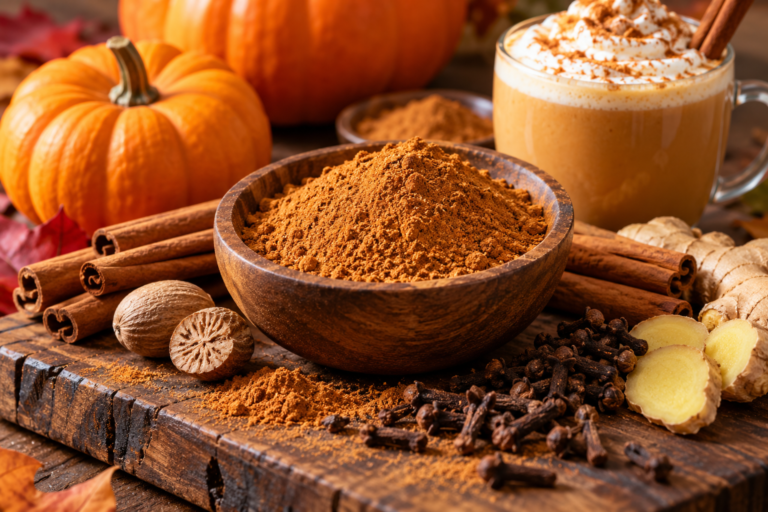
Cinnamon brings warmth and aroma, which changes how we experience the sweetness and rice flavor.
As a chef, I think of aroma as part of flavor. Before the drink even reaches your tongue, the smell of cinnamon is already preparing your palate for what you’re about to taste.
But balance matters here too.
Too little cinnamon and the drink can feel plain.
Too much, and it can overpower the delicate rice flavor.
That’s why I prefer cinnamon to sit in the background rather than dominate the glass.
You should notice it, but you shouldn’t feel like you’re drinking cinnamon water.
That small difference is what separates a refreshing horchata from an overly spiced one.
6. Why Horchata Is Suddenly Appearing in Modern Cafés
Horchata isn’t new.
What’s new is where we’re seeing it.
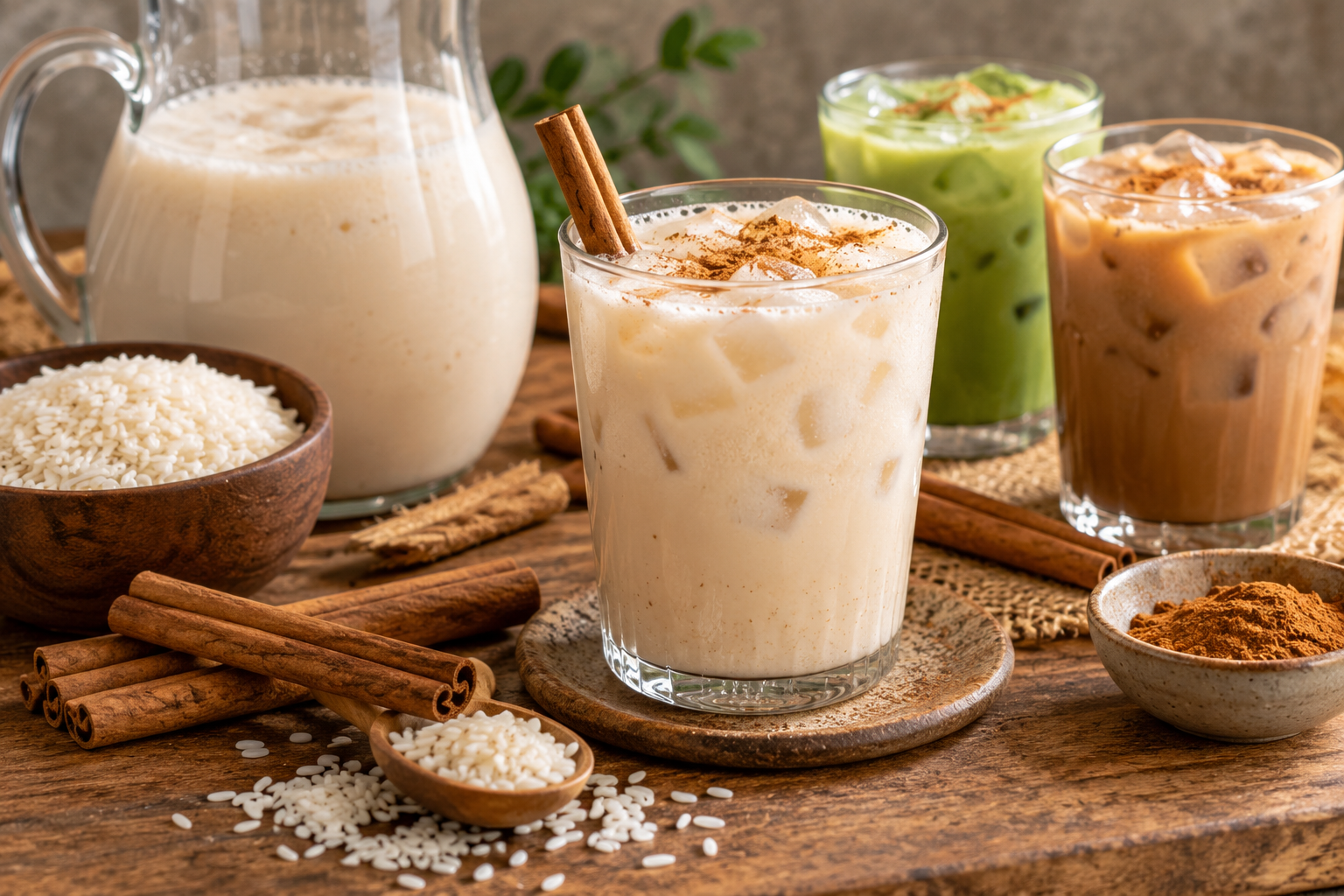
A traditional drink that was once mainly enjoyed in its own food culture is now appearing on café menus in new forms, including horchata lattes and matcha-horchata combinations.
And I think there is a simple reason for that.
Horchata already has the qualities modern café drinks are looking for.
It’s naturally creamy in texture, lightly spiced, sweet, and easy to combine with other flavors.
Add coffee and you get something deeper.
Add matcha and you get a completely different drink.
Add cold foam or a little extra cinnamon, and suddenly the same base feels like a modern specialty drink.
The interesting part is that the original drink doesn’t need to disappear.
The traditional version gives chefs and cafés a starting point.
That’s how food trends often develop.
A familiar ingredient or drink gets introduced to a new audience, someone experiments with it, and suddenly people start asking for it in ways nobody expected.
7. Why Horchata Feels Different From Other Creamy Drinks
One thing I notice when comparing horchata with other creamy drinks is how light it feels.
A milkshake gets its body mainly from dairy, while a smoothie often depends on fruit or other thick ingredients.
Horchata takes a different route.
Its body comes from the ingredients being soaked, blended, and strained, giving you a drink that feels soft and smooth without becoming heavy.
That’s useful from a chef’s point of view.
You can serve horchata cold and refreshing, but still give the customer enough texture and flavor to make the drink feel complete.
And that’s probably one reason it works so well as a café base.
It has character without demanding too much attention.
You can enjoy the original horchata on its own or build another drink around it without completely losing what makes horchata special.
8. The Chef RBS Taste Test
When I test a drink in the kitchen, I don’t start by asking whether it is trendy.
I ask whether it actually tastes good.
For horchata, I look at four things.
Aroma: Can I smell the cinnamon before I taste it?
Texture: Is it smooth and light, or does it feel gritty?
Sweetness: Does the sugar support the rice and cinnamon, or is it the first thing I notice?
Finish: After swallowing, do I get a clean rice and cinnamon note, or does the sweetness stay too long?
Then I taste it cold.
Temperature changes perception. A very sweet drink can feel more balanced when chilled, while too much spice can become more noticeable as you drink.
This is why I don’t judge horchata from one sip.
I take a few.
The first sip tells me what the drink is. The next few tell me whether the balance is right.
That’s the difference between tasting a drink and actually evaluating it.
9. Why Matcha and Horchata Work Together
This combination might sound unusual at first.
Matcha is earthy, slightly bitter, and deeply aromatic.
Horchata is sweet, creamy, and gently spiced.
But that’s exactly why they can work.
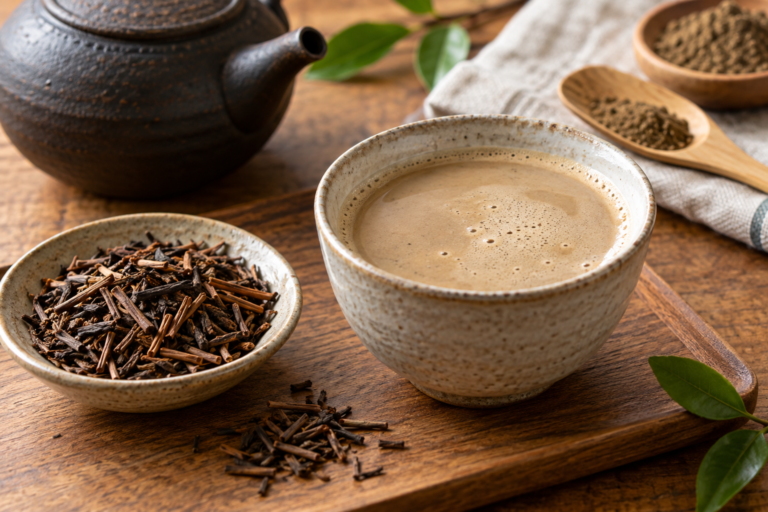
When you combine them, the sweetness and soft texture of horchata can round out matcha’s sharper, more bitter notes. Cinnamon adds another layer of warmth, while the green tea keeps the drink from becoming too sweet and flat.
From a chef’s perspective, this is a familiar idea:
Contrast can create balance.
You don’t want two ingredients doing exactly the same thing.
You want one to bring what the other is missing.
That’s why matcha-horchata has become an interesting café combination.
It takes something traditional and gives it a completely different flavor direction without losing the creamy, lightly spiced character of horchata.
And honestly, that’s where food trends become interesting to me.
Not when an old food is simply renamed or repackaged, but when someone finds a combination that actually makes sense.
10. What Makes a Great Horchata?
For me, a great horchata doesn’t need to be complicated.
I look for five things.
Aroma: The cinnamon should be noticeable without taking over.
Texture: Smooth enough to drink easily, with no unpleasant grit.
Sweetness: Enough to make the drink enjoyable, but not so much that the rice disappears.
Body: It should feel satisfying without becoming heavy.
Finish: After the sip, the flavors should fade cleanly rather than leaving a thick layer of sweetness.
These details might sound small, but they make a big difference.
I’ve worked with many ingredients where the difference between an average product and a really good one comes down to tiny adjustments.
Horchata is exactly like that.
The recipe may be simple. Getting the balance right is the skill.
11. Why Horchata Has Potential Beyond the Traditional Drink
What interests me most about horchata is that it doesn’t have to stay in one format.
The traditional drink already has a strong identity. But the same flavor profile can work in a café latte, a cold drink, a dessert sauce, or even as part of a plated dessert.
From a chef’s point of view, that’s useful.
You have rice, cinnamon, and sweetness as your base idea. From there, you can change the texture, temperature, and presentation without losing the character of horchata.
That’s how I like to develop food.
I don’t start by asking, “What can I make that looks trendy?”
I start with:
What is already good here, and how can I use it differently?
Horchata gives you plenty to work with.
And perhaps that’s one reason it is finding a new audience. It has a traditional story, but it also leaves room for chefs and cafés to make it their own.
12. Why Horchata Is More Than a Trend
rends come and go.
But good food usually has something underneath the trend.
Horchata already had that.
It has history, a recognizable flavour and a simple preparation that gives chefs plenty of room to experiment.
What has changed is the audience.
People who may never have grown up drinking horchata are now discovering it through cafés, desserts and new flavour combinations.
For me, that’s more interesting than simply calling it the next big food trend.
The drink was already there. We are just discovering new ways to experience it.
And when a traditional food can move into a modern kitchen without losing its identity, that’s when I think it has real staying power.
13. Horchata FAQ
What is horchata?
Horchata is a traditional drink made by soaking and blending ingredients with water, then straining the mixture. Mexican-style horchata commonly uses rice, cinnamon, sugar and water.
What is horchata made of?
Mexican-style horchata is commonly made with rice, water, cinnamon and sugar. Some versions may include other ingredients such as nuts, seeds or milk.
What does horchata taste like?
Horchata is usually sweet, lightly spiced and refreshing, with a gentle rice flavour and cinnamon aroma. The texture should be smooth rather than heavy.
Is horchata a milk drink?
Traditional Mexican horchata does not have to contain dairy milk. Its creamy-looking texture comes from the soaked and blended ingredients, particularly rice.
What is a horchata latte?
A horchata latte combines the sweet, cinnamon-spiced character of horchata with coffee or espresso. It is one of the newer café-style ways of using horchata.
Is horchata the same everywhere?
No. The name refers to different traditional drinks in different places. Ingredients and preparation can vary, which is part of what makes horchata such an interesting food tradition.