Why Is My Food Not Crispy?
Introduction
Have you ever followed a recipe carefully, only to end up with food that is soft instead of crispy?
Crispy food isn’t just about using a hot pan or adding more oil. The final texture depends on several things happening during cooking, including moisture, heat, surface drying, and browning.
As a chef, one of the biggest secrets to better crispiness is controlling moisture before and during cooking. If too much moisture remains on the surface, the food can steam instead of developing a crisp exterior.
In this guide, I’ll explain how to make food crispy, why some foods turn soggy, and the simple techniques chefs use to get better browning and crunch.
Chef RBS tip: Crispiness starts before the food enters the pan, fryer, or oven.
2. The Biggest Enemy of Crispy Food: Moisture
Moisture is one of the main reasons food loses its crisp texture.
When the surface of food contains too much water, heat is first used to evaporate that moisture. This can slow down browning and leave the food soft instead of crisp.
This is why chefs often pat food dry before cooking, especially ingredients such as potatoes, chicken, fish, and vegetables.
Crowding the pan can create another problem. When too much food is added at once, moisture builds up and the temperature of the cooking surface can drop. Instead of developing a crisp exterior, the food can begin to steam.
Chef RBS tip: Before asking, “Is my oil hot enough?” ask, “Is my food too wet?”
3. Start With a Dry Surface
Before cooking, remove as much excess surface moisture as practical.
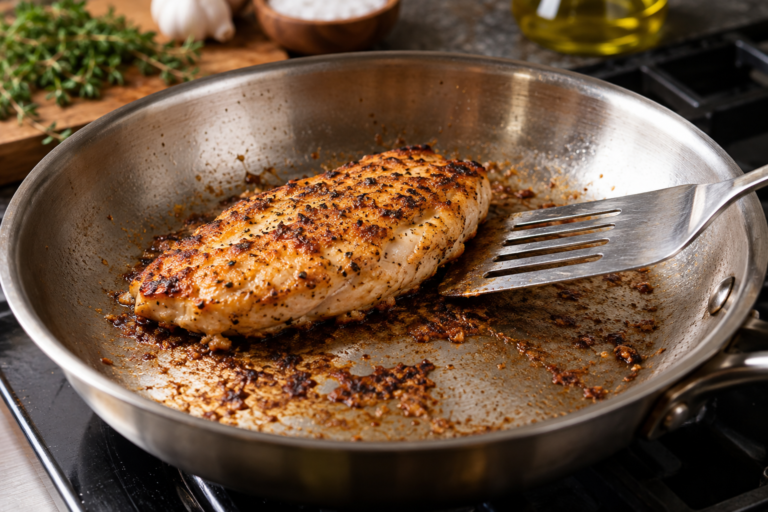
For chicken or fish, pat the surface dry with paper towels. For potatoes and vegetables, drying after washing can make a noticeable difference.
A dry surface allows the food to brown more efficiently when it meets a hot cooking surface.
This is especially important for foods that you want to fry, roast, sear, or bake until crisp.
Chef RBS tip: Dry surface + proper heat = a much better starting point for crispiness.
4. Get the Heat Right
Even a dry surface won’t become crispy if the cooking temperature is too low.
When the pan, oven, or fryer is properly heated, the surface of the food can brown and develop a crisp exterior more effectively.
If the temperature is too low, food can spend too much time releasing moisture before browning properly. But extremely high heat can burn the outside before the inside is cooked.
The goal is strong, controlled heat, appropriate for the food and cooking method.
Chef RBS tip: Don’t judge heat only by how hot the pan feels. Watch how the food reacts when it hits the cooking surface.
5. Don’t Crowd the Pan
One of the easiest ways to lose crispiness is putting too much food into the pan at once.
When ingredients are packed together, they release moisture into the cooking environment. Instead of allowing the surface to brown and crisp, that moisture can create a steaming effect.
Give the food enough space so heat can reach the surface properly.
For larger batches, cook in smaller batches rather than filling the pan completely.
Chef RBS tip: If your fried or sautéed food keeps turning soft, try giving it more space before changing the recipe.
6. Choose the Right Coating
For fried foods, the coating can make a major difference in the final crunch.
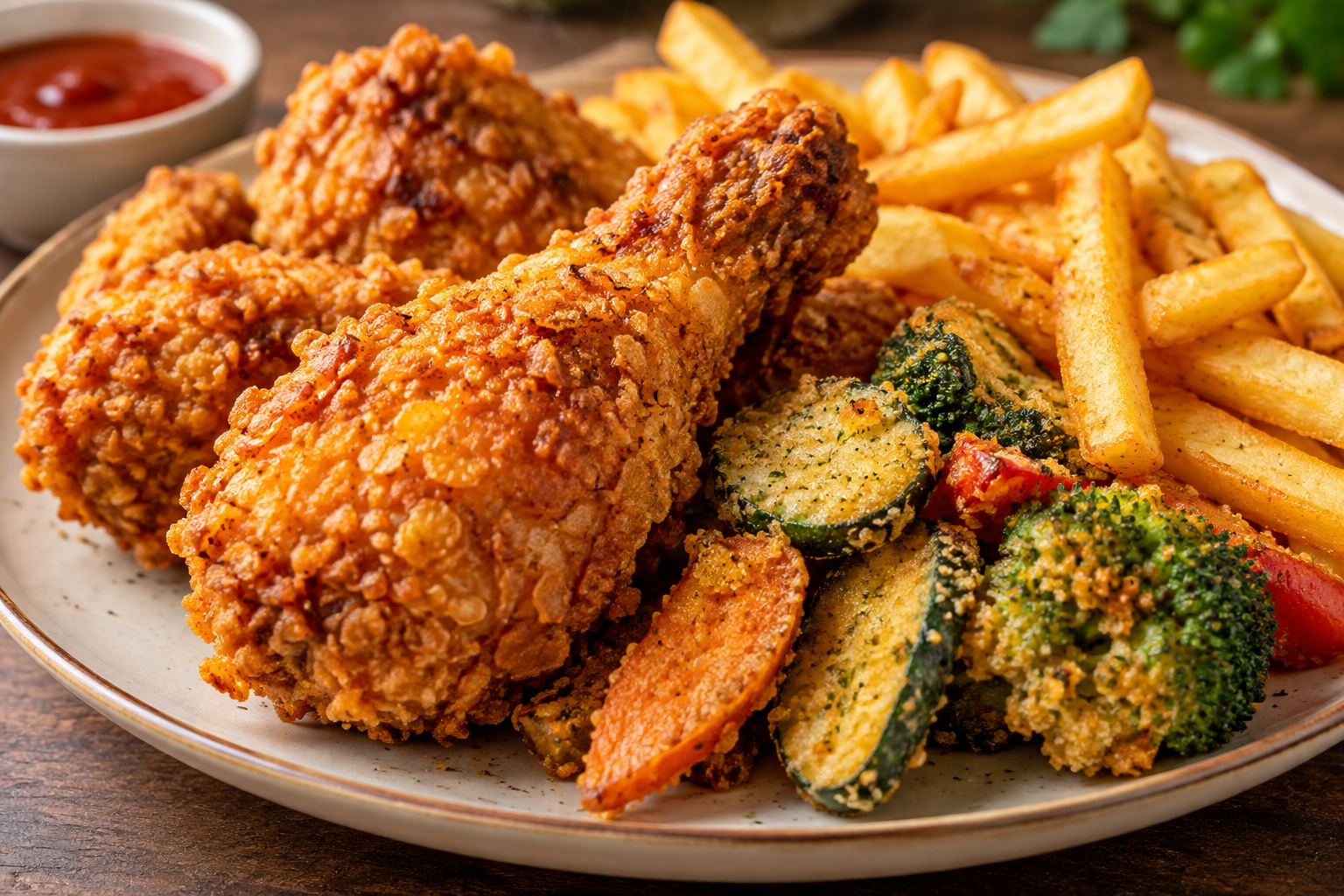
A dry coating such as flour, breadcrumbs, crushed cornflakes, or a starch-based coating can create a rough surface that develops more crispness during frying.
The important part is keeping the coating properly attached and avoiding excessive moisture before it reaches the fryer.
For extra crunch, chefs often build texture by using multiple layers, such as a wet batter followed by a dry coating.
Chef RBS tip: A crispy coating isn’t just about the ingredient. The surface texture and moisture level of the coating matter just as much.
7. Give Crispy Food Space After Cooking
Crispiness can disappear quickly after cooking if hot food is trapped in steam.
Instead of placing freshly fried food directly into a deep container or stacking it tightly, allow excess oil and steam to escape.
For fried foods, a wire rack is often better than a flat plate because air can circulate underneath. This helps prevent the bottom from becoming soggy.
If you’re serving a large batch, avoid covering it tightly while it is still steaming hot.
Chef RBS tip: Getting food crispy is only half the job. Keeping it crispy requires controlling steam after cooking too.
8. The Right Oil Temperature Matters
For fried food, oil temperature has a major effect on crispiness.
If the oil is too cool, the food can absorb more oil and take longer to develop a crisp coating. If the oil is excessively hot, the outside can brown or burn before the inside is properly cooked.
For consistent results, use the temperature recommended for the specific food and cooking method.
Chef RBS tip: Don’t rely only on the sound of the fryer or the appearance of the oil. For consistent frying, check the oil temperature with a thermometer.
9. Chef RBS Secret: Crispiness Is a Moisture Game
When I want a better crust, I don’t start by adding more oil or cooking at maximum heat.
I first look at moisture.
Dry the surface, avoid overcrowding, use the right cooking temperature, and give the finished food space for steam to escape. These small details work together to create a better crust.
That is the real chef secret: crispiness is controlled, not accidental.
Chef RBS tip: If food is coming out soggy, troubleshoot moisture → heat → crowding → coating → holding before changing the entire recipe.
10. Quick FAQ
Why does my food become soggy after frying?
Excess moisture, overcrowding, low oil temperature, and trapped steam can all reduce crispiness.
How do you make food crispy?
Keep the surface dry, use the right cooking temperature, avoid overcrowding, and allow steam to escape after cooking.
Does more oil make food crispier?
Not necessarily. The correct oil temperature and moisture control are more important than simply using more oil.
Why does fried food lose its crunch?
Steam and moisture can soften the crisp coating after cooking, especially when food is stacked or covered while hot.
Can an oven make food crispy?
Yes. A dry surface, appropriate heat, and good air circulation can help foods develop a crisp exterior in the oven.
Chef RBS tip: Crisp food starts with moisture control and ends with proper holding.
11. Chef RBS Takeaway
Crispy food isn’t about one secret ingredient.
It comes down to controlling moisture, heat, surface contact, and steam from the beginning of cooking to the moment you serve.
Remember:
Dry surface → Right heat → Don’t overcrowd → Build the right coating → Let steam escape.
Once you understand these principles, you can make everything from crispy chicken and potatoes to fried vegetables more consistently.
Chef RBS tip: Before changing your recipe, fix your moisture and temperature control first.