Why Are Spicy-Sweet Flavors Taking Over Global Food? The Science of “Swicy”
I have always found sweet and spicy combinations interesting.
At first, they seem like opposites. Sweetness feels comforting, while chili gives you heat. But put them together in the right balance and something changes. The sweetness doesn’t simply remove the heat. It can make the chili feel more rounded, while the chili stops the sweetness from becoming flat or heavy.
You can see this combination everywhere now.
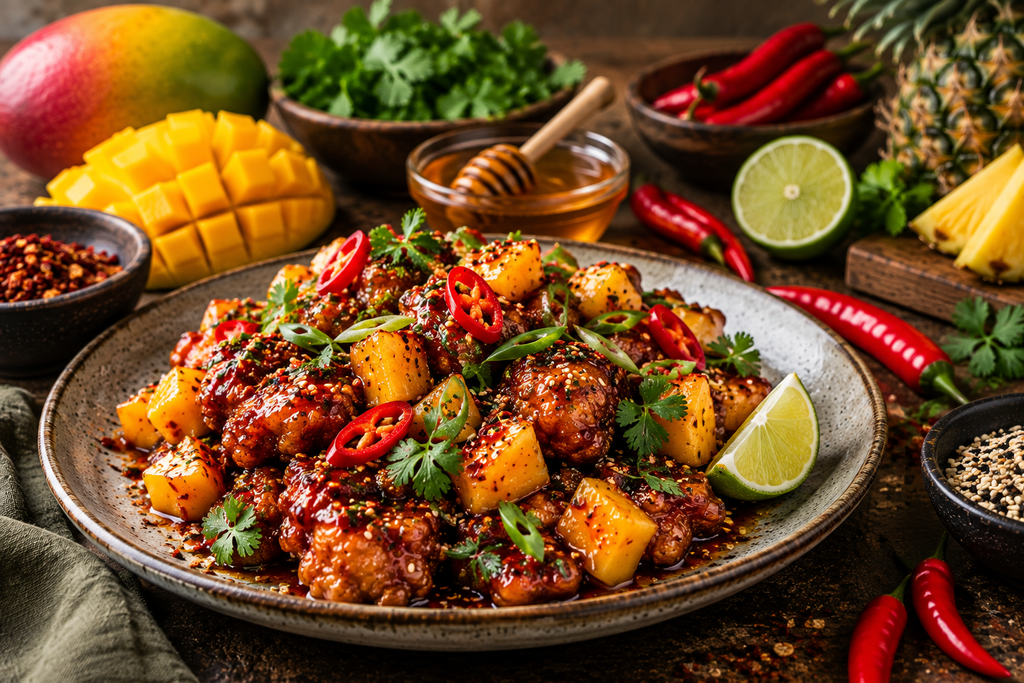
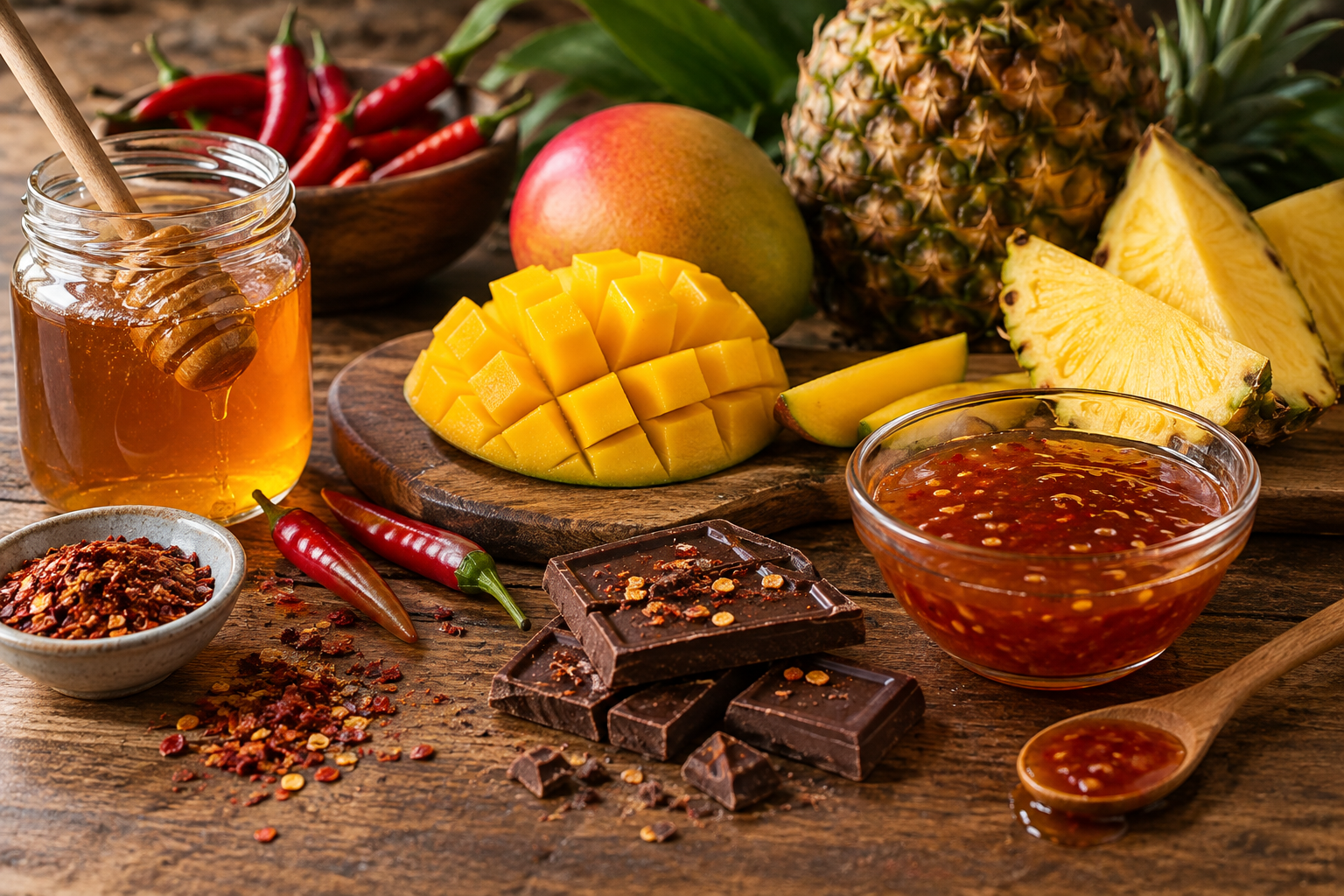
Hot honey on pizza. Mango with chili. Sweet chili sauces. Spicy fruit drinks. Chili chocolate. Glazes that combine honey or sugar with fermented chili sauces.
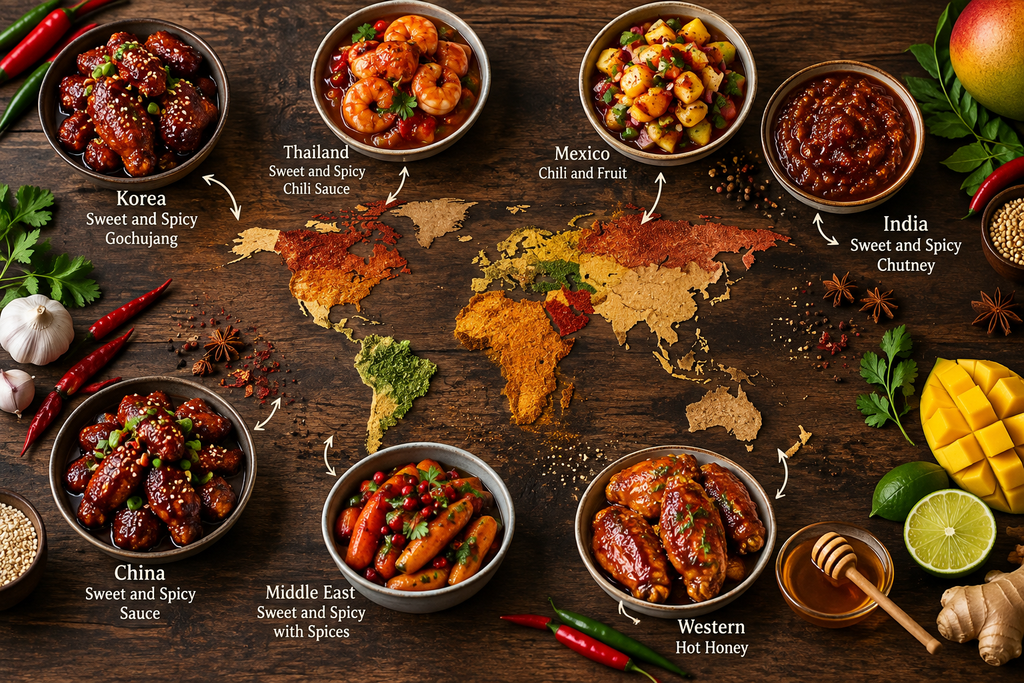
The interesting part for me as a chef is that this is not really a new food idea. Different cuisines have been combining sweet, spicy, sour and savory flavors for a very long time.
What feels new is how widely the combination is being used in modern food.
A familiar food can suddenly feel different just by adding a little heat to something sweet.
But why does it work?
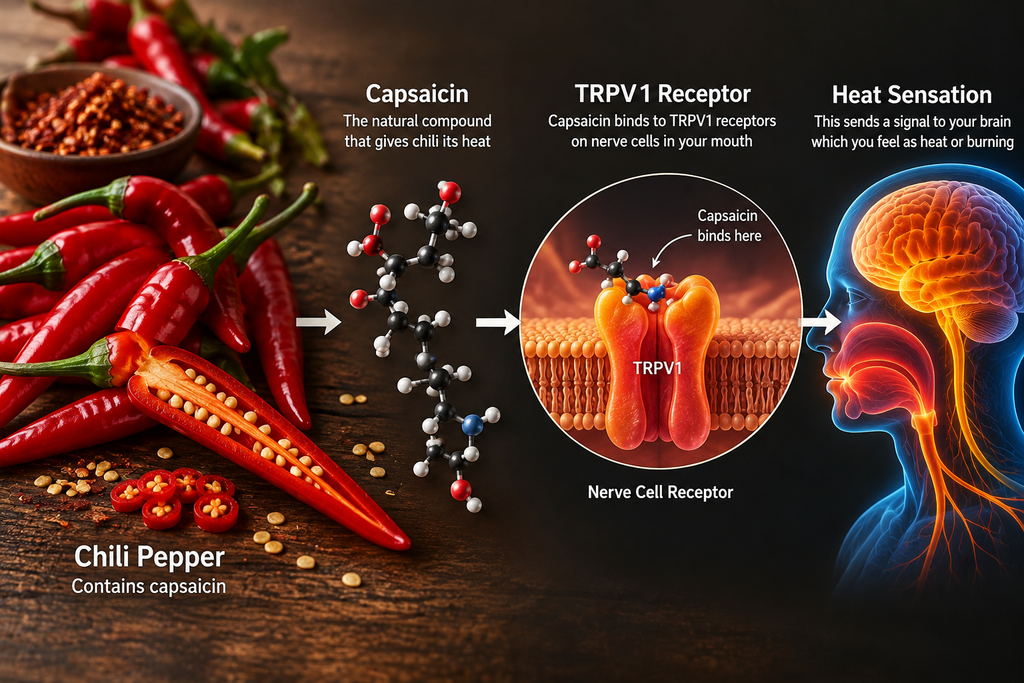
Chili does not actually taste “hot” in the same way sugar tastes sweet. The heat from chili comes from capsaicin, which interacts with receptors involved in sensing heat and irritation. Sweetness works through a completely different taste pathway.
Yet our brain experiences them together as one eating experience.
That is where the science becomes interesting.
In this article, I want to look at why sweet and spicy flavors work together, what happens in our mouth when we eat them, and why chefs and food companies are finding so many ways to use this combination.
Not just because “swicy” is a trend.
But because there is real food science behind why the combination works.
This voice is much closer to Chef RBS teaching the reader than an AI-generated trend article.
If you’re happy with this direction, we’ll continue with Section 1: Why Does Sweetness Work So Well With Chili?
1. Why Does Sweetness Work So Well With Chili?
From a chef’s point of view, one of the easiest ways to understand swicy food is to stop thinking about sweetness and heat as competing flavors.
They can actually support each other.
When you taste something sweet, your palate gets a familiar, rounded sensation. Chili brings something completely different. The capsaicin in chili activates receptors associated with heat and irritation, creating the burning sensation we recognize as “spicy.”
So when the two arrive together, you are not experiencing one flavor replacing another.
You are experiencing contrast.
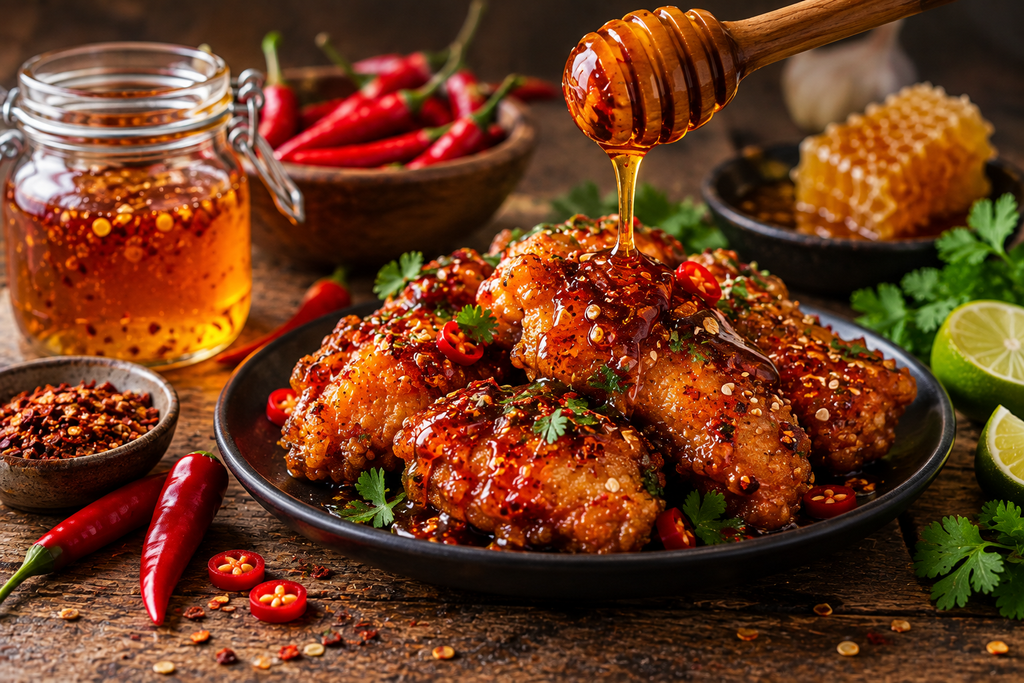
Think about hot honey.
Honey brings sweetness and a thick, smooth texture. Chili brings heat and a different aromatic character. When the two are balanced properly, the honey can make the chili feel less aggressive, while the chili prevents the honey from becoming overly sweet.
The same idea can work with:
- Mango and chili
- Pineapple and chili
- Honey and chili
- Sweet chili sauce
- Chocolate and chili
- Spicy fruit drinks
But there is an important chef’s lesson here.
More chili does not automatically make a better swicy dish.
The heat has to leave enough room for sweetness, acidity, salt, aroma and the actual flavor of the food.
That balance is what makes the combination interesting.
As a chef, I look at it less as “sweet plus spicy” and more as building contrast on the palate.
And once you understand that, you start seeing why this combination can work in so many different foods.
2. Why Does Chili Feel Hot When It Isn’t Actually Hot?
It is one of the most interesting parts of chili.
When you eat a hot chili, your mouth is not actually burned by the temperature of the food.
The main compound responsible is capsaicin.
Capsaicin interacts with a receptor called TRPV1, which is involved in detecting heat and irritation. When capsaicin activates it, your brain receives a signal that feels similar to the sensation of heat.
That is the reason room-temperature chili sauce can still make your mouth feel like it is burning.
This also explains something I notice when balancing spicy food in the kitchen.
Heat is not the same thing as flavor.
A chili can bring heat, but it also has its own aroma and flavor depending on the variety. If I keep increasing the chili simply to make a dish “spicier,” I can eventually overpower the other ingredients.
That is where sweetness becomes useful.
A sweet component can create a different sensory experience alongside the capsaicin heat. The result isn’t necessarily less spicy, but the overall bite can feel more balanced.
This is one of the reasons a little honey, fruit, or sugar can work so well with chili.
The goal isn’t to hide the heat.
The goal is to make the heat part of a more interesting flavor experience.
3. Why Do Fruit and Chili Work So Well Together?
This is probably one of my favorite examples of the swicy combination.
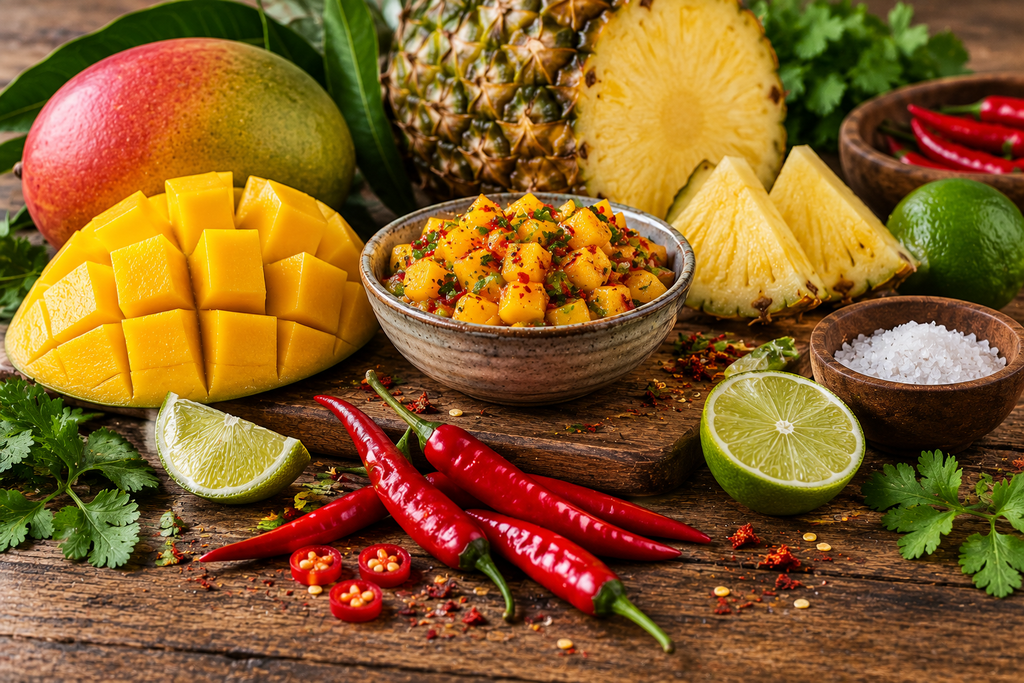
Take mango and chili.
Mango is naturally sweet, but it also has acidity, aroma and a juicy texture. Chili brings heat and its own distinctive aroma. Add a little salt and suddenly the fruit tastes much more lively.
The same principle works with pineapple, watermelon, strawberries and even some citrus fruits.
The important thing is that fruit doesn’t only contribute sweetness.
It can bring acidity and freshness as well.
That matters because acidity can make a sweet food feel brighter and less heavy. Chili then adds another layer of sensation.
As a chef, this gives me several ways to build a dish.
For example, instead of simply adding sugar to a spicy sauce, I might use a fruit puree. Now I have sweetness, acidity, aroma, color, and texture coming from one ingredient.
That is much more interesting than simply making something sweeter.
This is also why combinations such as mango and chili feel so natural. Each ingredient brings something the other doesn’t have.
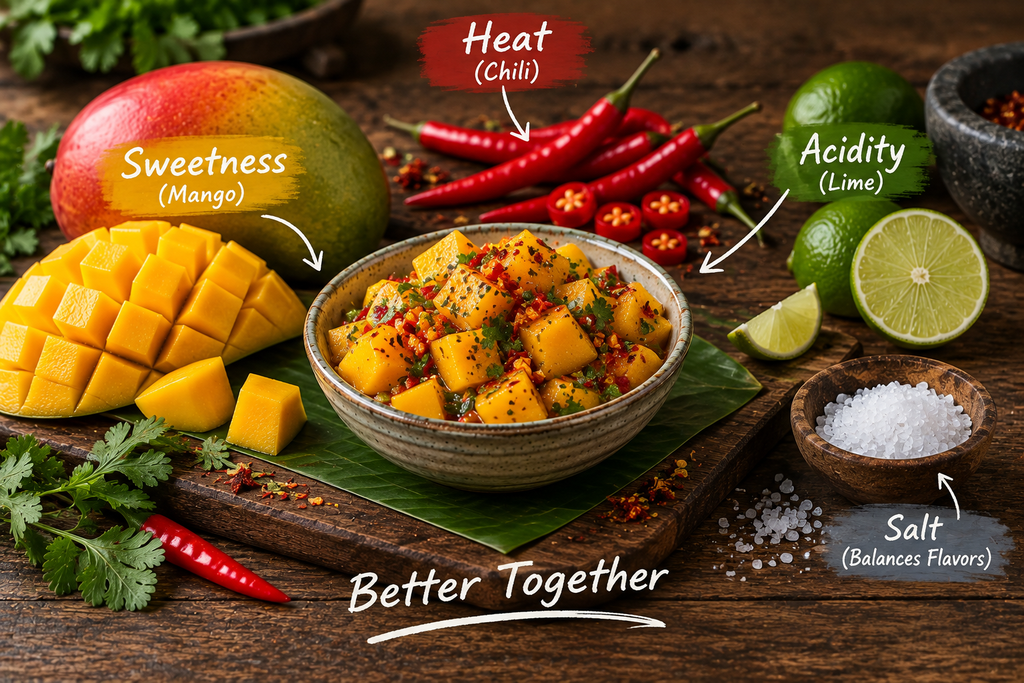
Sweetness gives roundness.
Acidity gives freshness.
Chili gives heat.
Aroma connects everything.
Good swicy food is really about balance between these sensations, not simply making food sweet and hot.
4. Why Does a Little Salt Make Swicy Food Taste Better?
This is where I think many people underestimate salt.
When you combine something sweet with chili, a small amount of salt can make the whole combination taste more complete.
Salt doesn’t simply make food salty. In the right amount, it can help bring other flavors forward.
Think about a ripe mango sprinkled with a little salt and chili powder. The mango suddenly tastes more intense. The sweetness feels clearer, the fruit aroma becomes more noticeable, and the chili has something to work against.
The same principle applies when I develop a sauce or glaze.
If I have sweetness and heat but something still feels flat, I don’t automatically add more chili or sugar. Sometimes the missing piece is simply salt.
This is because a good flavor profile usually isn’t built from one sensation.
I think about the relationship between:
Sweet + Heat + Salt + Acidity + Aroma
Each element has a job.
Too much sugar can make a sauce heavy.
Too much chili can cover the ingredients underneath it.
Too little salt can make both flavors feel dull.
A small amount of acidity can then bring everything into focus.
That’s why some of the simplest spicy-sweet foods can be surprisingly addictive.
The magic isn’t necessarily in the amount of chili. It’s in how the flavors are balanced.
5. Why Does Sweetness Make Spicy Food Feel More Balanced?
There is another reason I find the swicy combination so useful in cooking: sweetness can change the way we experience heat without simply removing it.
Imagine tasting a very spicy sauce on its own.
The first thing you notice may be the chili.
Now add a little honey or another sweet ingredient. The chili is still there, but the experience becomes different. You start noticing the sweetness, aroma and other flavors alongside the heat.
That is important when building a sauce or glaze.
I don’t want the sweet ingredient to completely hide the chili. If that happens, the dish can become sugary rather than balanced.
Instead, I look for a point where the sweetness gives the heat some contrast and structure.
This is especially useful with foods that already have strong flavors.
A spicy glaze for roasted vegetables, for example, can use sweetness to round the edges of chili while acidity keeps the glaze from becoming heavy.
The same principle can work with fried foods, grilled foods, fruit, desserts and even beverages.
For me, the interesting part is not asking:
“How much sugar should I add to make this less spicy?”
The better question is:
“How can sweetness help the chili become part of the flavor instead of becoming the entire flavor?”
That small difference in thinking can completely change how you develop a swicy dish.
6. Why Does Acidity Make Swicy Flavors More Interesting?
If you have sweetness and chili but the flavour still feels heavy, I usually look at acidity.
Acidity can completely change the way a spicy-sweet combination tastes.
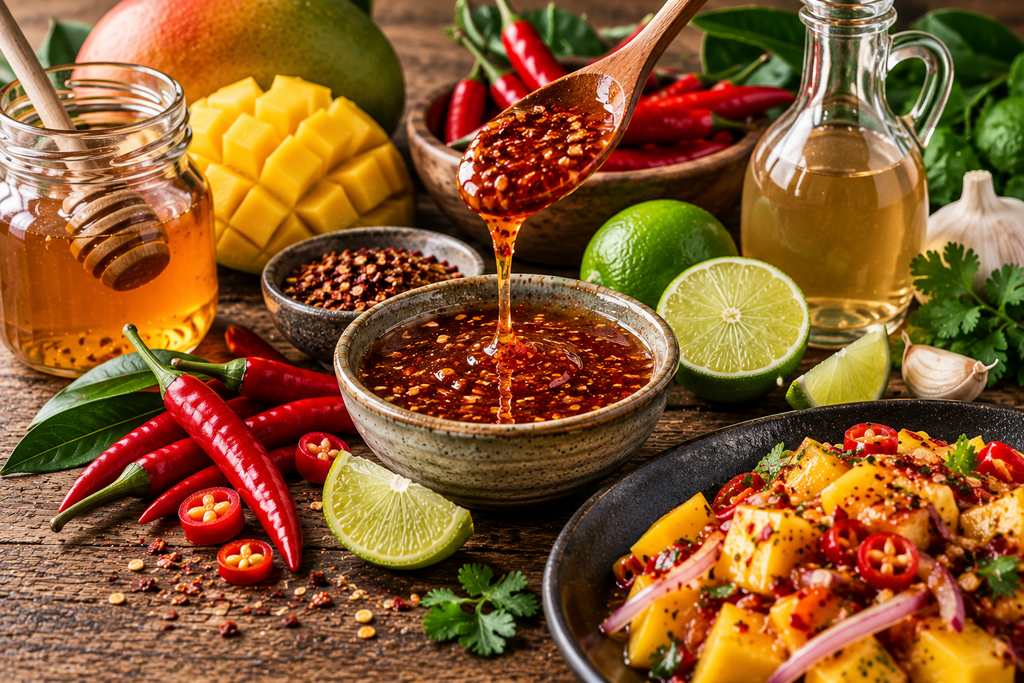
Think about a mango with chili and a squeeze of lime. The lime doesn’t simply make the mango sour. It makes the sweetness feel brighter and gives the chili a sharper, fresher character.
This is why I often think about acid as the bridge between sweet and spicy flavors.
You can get acidity from ingredients such as
- Lime or lemon juice
- Vinegar
- Tamarind
- Fermented sauces
- Certain fruits
- Yogurt and other cultured ingredients
The choice of acid also changes the personality of the dish.
Lime can feel fresh and bright.
Tamarind can bring a deeper sweet-sour character.
Vinegar can give a sharper finish.
Fermented ingredients can contribute acidity along with savory and aromatic notes.
This is where swicy food becomes much more interesting than simply combining sugar and chili.
Sweetness gives roundness. Chili gives heat. Acidity gives brightness.
When those elements are balanced properly, you can create a flavor that keeps changing as you eat it.
And from a chef’s perspective, that is usually what makes a dish memorable.
7. Why Is “Swicy” Showing Up in So Many Different Foods?
This is where the trend becomes more interesting to me.
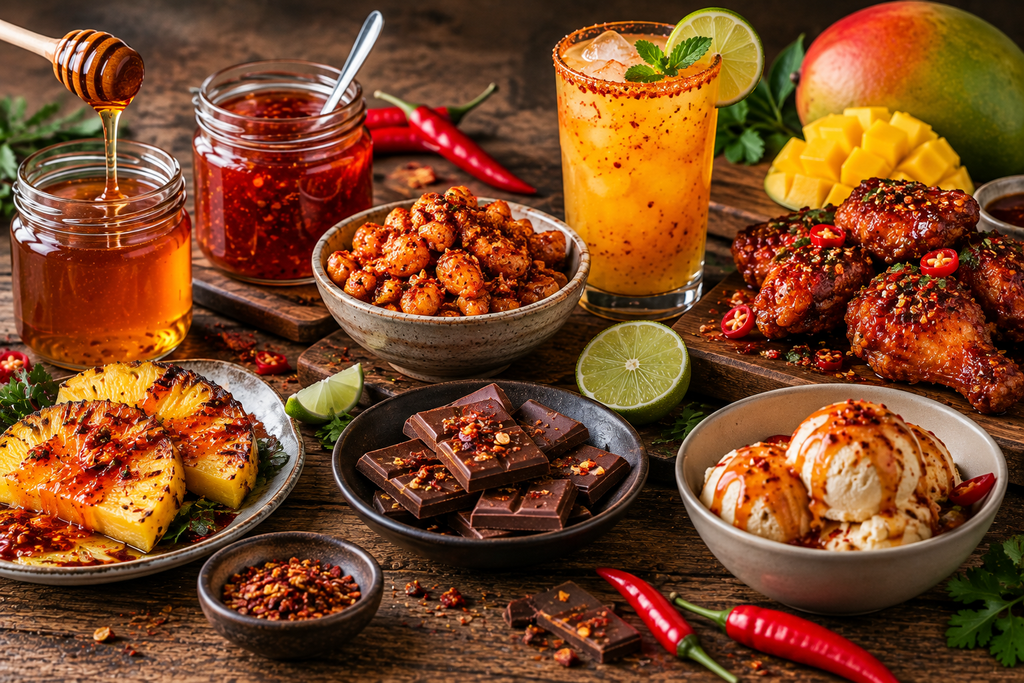
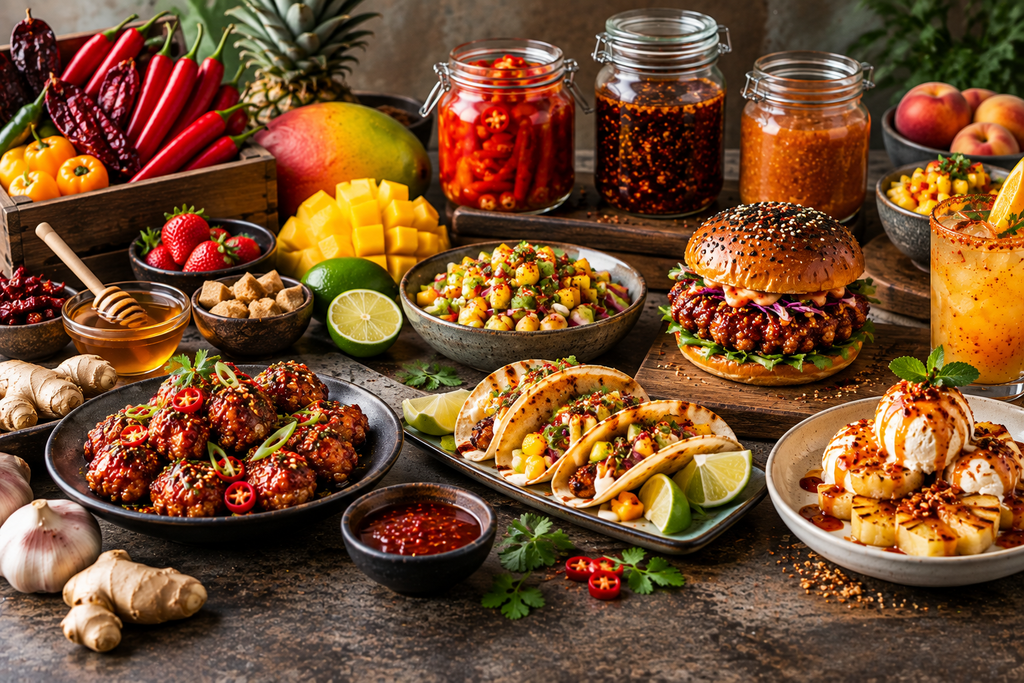
Sweet and spicy flavors are not limited to one type of dish. They can move from a sauce to a snack, from a main course to a dessert, or even into a drink.
That is because the basic flavor relationship is quite flexible.
A food company can take the same idea and turn it into:
- A hot honey
- A sweet chili sauce
- A spicy snack coating
- A fruit and chili drink
- A spicy glaze
- A chocolate product
- A seasoning blend
For chefs, the possibilities are even wider.
I might use a sweet-spicy glaze on roasted vegetables, balance fruit with chili and lime, or use a fermented chili sauce with a little sweetness to create more depth.
The important thing is that the format can change while the flavor principle stays the same.
This is one reason I think swicy has become more than just a social media food trend.
It gives chefs and food developers a simple flavor idea that can be adapted to many different products and cuisines.
But there is a catch.
Just because two flavors are popular together does not mean they will automatically work in every dish.
The ingredient underneath still matters.
A good swicy product should taste like good food first and a trend second.
That is the part I would never compromise on as a chef.
8. Why Does Texture Matter in Swicy Food?
There is another part of this trend that I think doesn’t get enough attention: texture.
Imagine the same sweet-spicy flavor on two different foods.
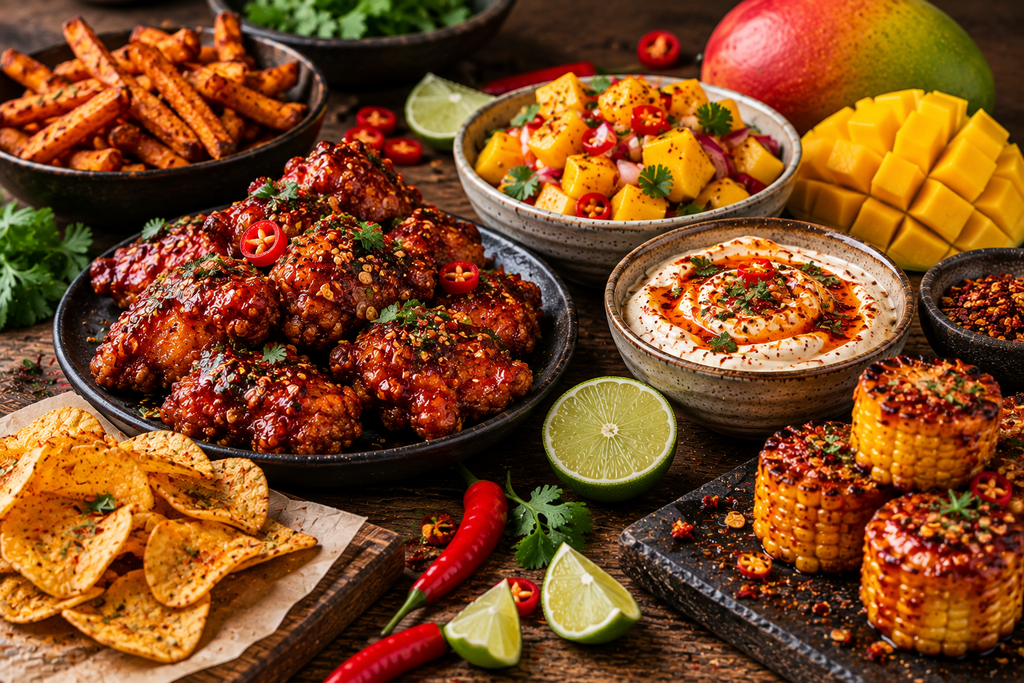
On a crispy piece of fried chicken, you get crunch first, then the sticky glaze, then sweetness and chili.
On a soft piece of fruit, the experience is completely different.
The flavor may be similar, but the eating experience changes because the texture changes.
This is important when developing food because flavor doesn’t exist separately from the way we eat.
A sticky hot honey glaze gives a different experience from a thin spicy sauce. A crunchy snack carrying a sweet chili coating feels different from a smooth spicy-sweet dip.
I often think about contrast when developing a dish:
Crispy + sticky
Soft + crunchy
Juicy + spicy
Creamy + hot
Sweet + acidic
These combinations give the mouth more than one sensation at a time.
That is one reason Swiss flavors work particularly well with modern snacks and restaurant foods. The flavor can be combined with a texture that makes the eating experience even more interesting.
For me, the best swicy food isn’t just about getting the sweetness and chili right.
The texture has to make sense too.
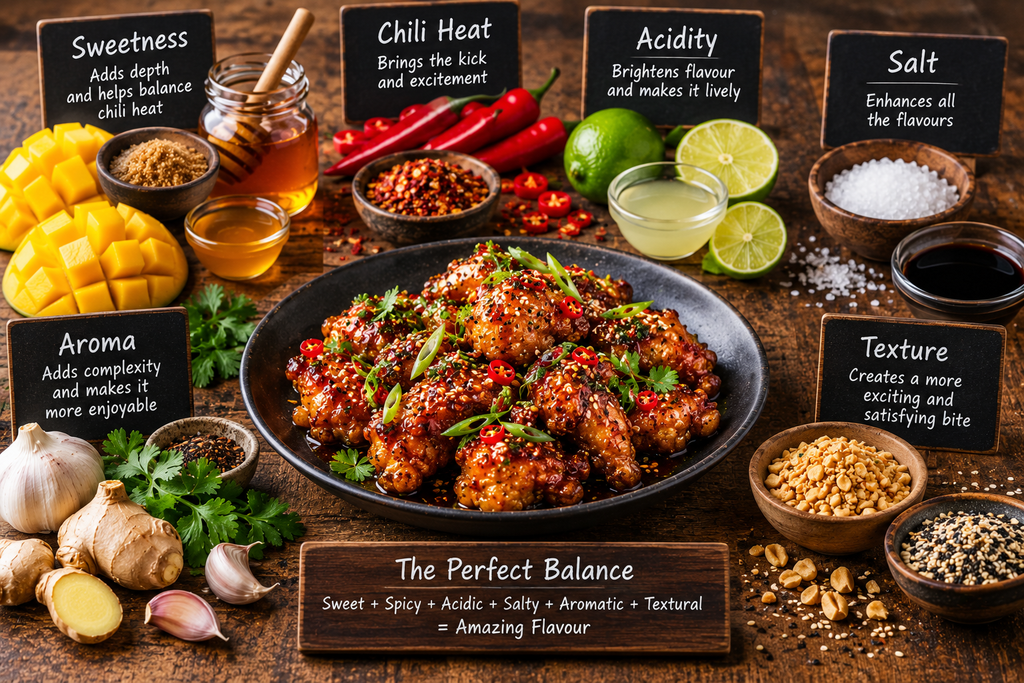
9. How Do Chefs Balance Sweet and Spicy Flavors?
This is where the trend becomes a real cooking skill.
There isn’t one fixed ratio for sweet and spicy food because every ingredient behaves differently. A chili sauce, mango glaze, and chocolate dessert will all need a different balance.
When I develop a spicy flavor, I usually think about the whole flavor profile, not just the chili level.
I look at:
- Sweetness for roundness
- Chili for heat and character
- Acidity for brightness
- Salt for flavor definition
- Aroma for identity
- Texture for the eating experience
Then I taste the combination as a whole.
For example, if a sauce tastes too sweet, I don’t always reduce the sugar. A little acidity or chili may bring the balance back.
If the chili is too aggressive, adding more sugar isn’t necessarily the best answer either. Sometimes reducing the chili and increasing the aromatic ingredients gives a much cleaner result.
This is why recipe development cannot always be reduced to a formula.
Ingredients behave differently, and tasting is part of the process.
That is also why two chefs can use the same basic sweet-and-spicy ingredients and produce completely different results.
The trend may be called “swicy,” but the real skill is knowing when to stop adding anything.
10. Why Are Fermented Chili Flavors Becoming So Interesting?
This is where swicy connects with another area of food that I find particularly interesting: fermentation.
A fermented chili sauce can bring much more than heat.
Depending on how it is made, fermentation can develop acidity, savory depth, aroma and complexity. So when you combine that kind of chili with sweetness, you are no longer working with just two flavors.
You can have sweetness, heat, acidity, umami and fermentation-derived aroma in the same bite.
Think about a sweet glaze made with a fermented chili paste.
The sweetness gives the glaze roundness. The chili provides heat. Fermentation can contribute acidity and savory depth.
That creates a much more complex flavor than simply mixing sugar with fresh chili.
This is one reason fermented chili ingredients are so useful in professional kitchens.
They can act almost like a flavor shortcut, bringing several sensory characteristics into one ingredient.
But I still prefer to use them carefully.
If the fermented chili is too strong, it can dominate the dish. The goal is to let the ingredient contribute complexity without losing the identity of the food underneath.
For me, this is where food trends become genuinely interesting.
A trend may begin with a simple combination like sweet and spicy, but chefs can take that idea much further by understanding fermentation, acidity, aroma and texture.
11. Is Swicy Food Actually a New Trend?
Not really.
This is something I would be careful about when talking about food trends.
Sweet and spicy combinations have existed in different food cultures for a very long time. What is new is the way the combination is being packaged, marketed and introduced into foods that people already know.
A traditional flavor combination can suddenly appear in a modern snack, sauce, beverage or restaurant dish and feel completely new to the consumer.
From a chef’s perspective, I find this distinction important.
We shouldn’t confuse new attention with new food.
The ingredients may have been used together for generations. What changes is the format, the audience, and sometimes the technique?
That is actually one of the most interesting things about food.
Chefs constantly take familiar ideas and give them a different place to live.
A traditional sweet-and-spicy combination might become a glaze.
A fruit and chili pairing might become a beverage.
A fermented chili paste might become a modern sauce.
The idea travels, but its history doesn’t disappear.
So when I look at the swicy trend, I don’t see chefs suddenly discovering sweet and spicy food.
I see an old flavor relationship being rediscovered, adapted and introduced to new audiences.
And that is a much more interesting food story.
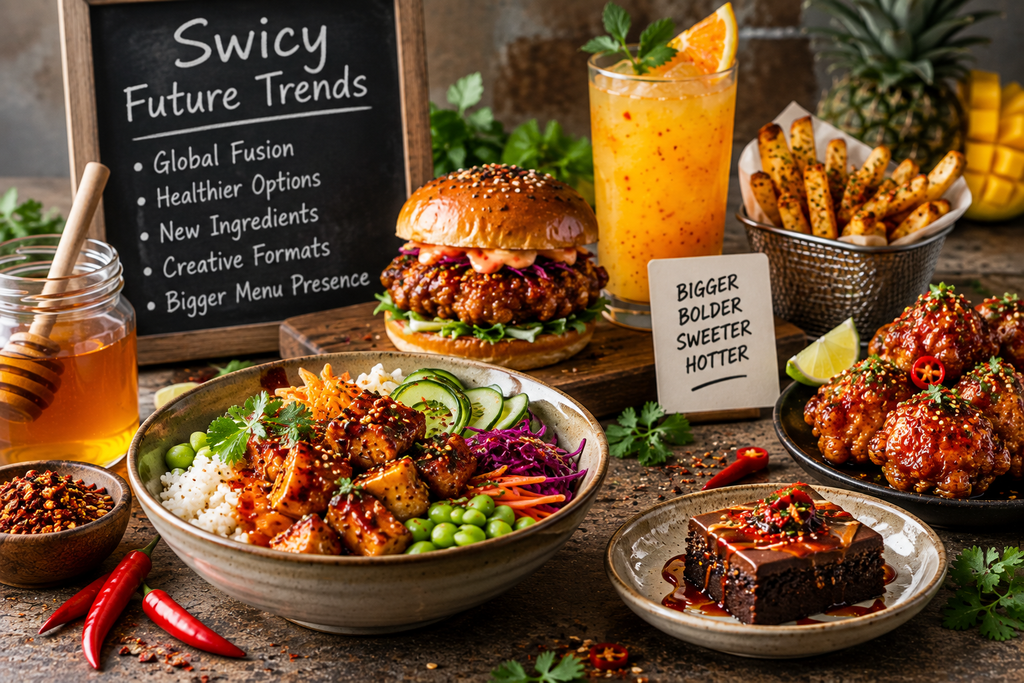
12. Where Does Swicy Food Go From Here?
I think the interesting part of swicy is what happens after the trend stops feeling new.
Once people become familiar with sweet and spicy combinations, chefs and food companies have to find new ways to make the flavor interesting.
That could mean moving beyond the obvious combinations.
Instead of simply adding chili to honey, we may see more attention on different chili varieties, fermented sauces, regional fruits, spices, herbs and acidic ingredients.
The same basic idea can produce very different results depending on the ingredients behind it.
For me, that is where the real opportunity lies.
Don’t just make food spicy and sweet because the trend says so. Understand why the combination works, then build something that has its own identity.
A good swicy dish should still have a reason to exist.
The sweetness should support the main ingredient.
The chili should add character rather than simply burn.
The acidity should keep the flavor alive.
The texture should make the dish enjoyable.
And everything should come together as one plate.
That is how a trend can become something more valuable: a useful flavor principle that chefs can continue to reinterpret.
Final Thoughts
For me, the interesting thing about swicy food is not that sweet and spicy flavors have suddenly been discovered.
They haven’t.
What is changing is the way chefs, food companies and consumers are using the combination.
A little sweetness can give chili heat more balance. Acidity can make the flavor brighter. Salt can bring the other flavors forward. Fermented ingredients can add depth. Texture can completely change the eating experience.
Once you start looking at food this way, “sweet and spicy” becomes more than a trend.
It becomes a way of thinking about flavor.
As a chef, I would always start with the ingredient rather than the trend.
What does this food need?
Maybe it needs heat.
Maybe it needs acidity.
Maybe a little sweetness will bring everything together.
The goal is not to make something swicy just because it is popular.
The goal is to understand why the combination works, then use that knowledge to create food that tastes good on its own.
That is where a food trend becomes useful to a chef.
Trends come and go. Good flavor balance stays.